

 Arabic
 Spain
Spain Germany
 France
 Japan
Japan Portuguese
 Russian
 Chinese
 Thailand
 Vietnam
 Indonesia
 India
IndiaNews
THE PIONEER IN FACADE SOLUTIONS


In modern architecture, exterior walls are no longer treated as a simple protective layer. They shape the first impression of a building, influence long-term maintenance, and affect how the project performs under real weather conditions. For commercial buildings, airports, hotels, office towers, public facilities, and retail spaces, aluminum composite panel systems have become one of the most practical choices for facade design.
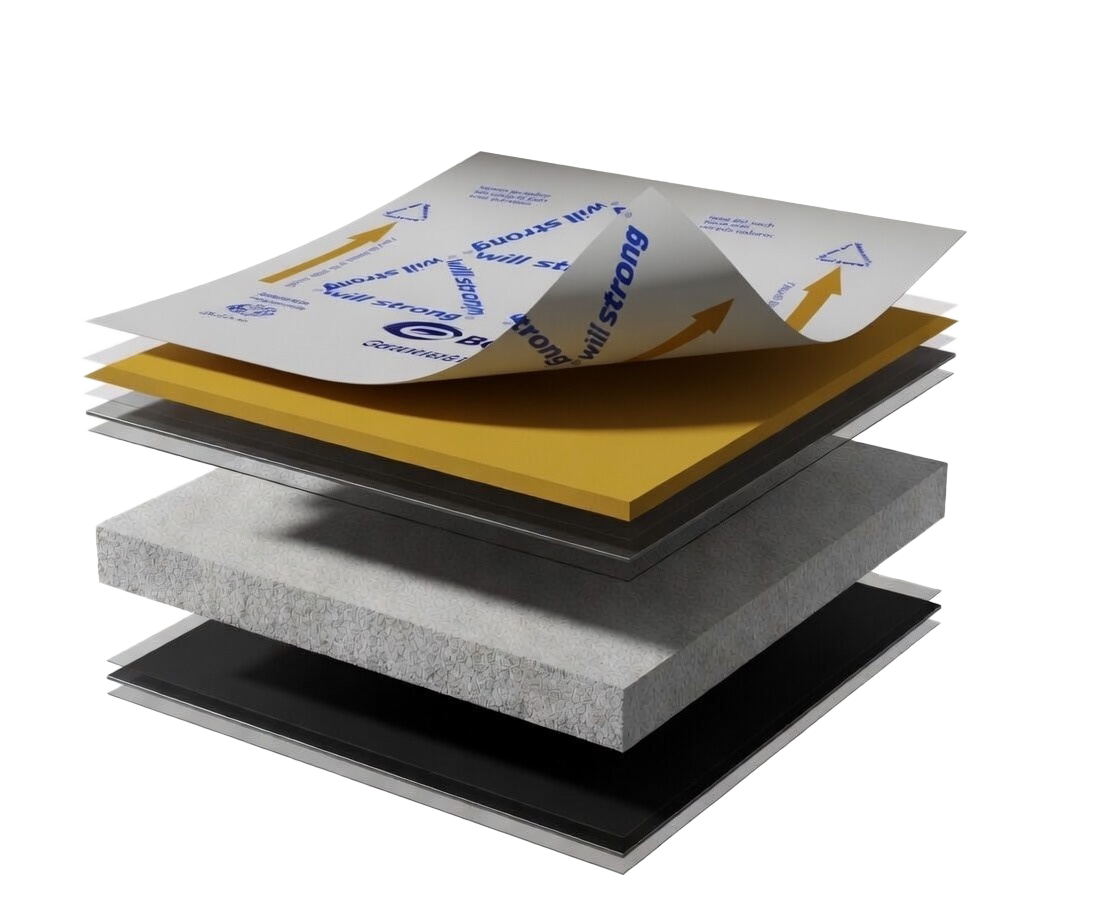
The reason is simple: ACP combines a clean architectural appearance with reliable workability. It can be cut, bent, grooved, shaped, and installed in different facade systems. For architects, contractors, and project owners, understanding ACP cladding details is essential before moving from concept design to actual construction.
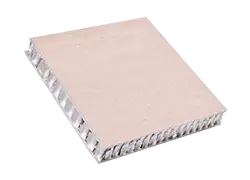
WILLSTRONG’s Aluminum Composite Panel page introduces ACP as a material formed with pre-painted aluminum coils and a core material, with features such as light weight, strength, shaping flexibility, weather-resistant fluorocarbon coating, antibacterial and antistatic performance, nanoscale self-cleaning options, and fireproof performance. The page also lists standard product dimensions including 4mm thickness, 1220mm width, 2440mm and 3200mm standard lengths, with customized sizes available.
A good facade material needs to do more than look attractive on the first day of installation. It must keep its surface stable, resist outdoor exposure, support accurate fabrication, and fit the installation method selected for the building. This is where ACP performs well.
For many facade projects, aluminum composite panels are selected because they offer a balance between rigidity and weight. Compared with heavier solid materials, ACP can reduce load on the supporting structure while still providing a smooth and modern surface. This is especially useful for renovation projects, commercial exterior upgrades, and large wall areas where both appearance and construction efficiency matter.
In acp facade design, designers often use ACP for flat walls, column covers, canopy areas, soffits, entrance features, and brand-facing exterior surfaces. Its clean panel appearance works well with glass, stone, metal, and lighting systems. For shopping malls, automobile showrooms, airports, and office buildings, ACP can help create a consistent facade language without making construction overly complicated.
Before placing an order or finalizing drawings, buyers should not only look at panel color. Practical acp cladding details can strongly affect installation quality and long-term performance.
The first detail is panel thickness and size. Standard ACP is often selected based on the facade height, wind load requirements, fixing method, and desired flatness. WILLSTRONG’s Aluminum Composite Panel page lists 4mm as the standard thickness and provides optional size customization, which is important for project-based facade planning.
The second detail is surface coating. Exterior facade panels are exposed to sunlight, rain, humidity, dust, and temperature changes. A stable coating system helps reduce fading, chalking, and surface deterioration. For exterior applications, PVDF or fluorocarbon coating is often preferred because it supports better weather resistance and color stability.
The third detail is fire performance. For airports, hospitals, schools, commercial centers, and public buildings, fire safety cannot be treated as a secondary issue. When ACP is used for exterior wall cladding, buyers should confirm the fire-rated requirement of the project and match the correct panel type. Fire-resistant ACP is especially important where local building codes require higher facade material safety.
The fourth detail is installation structure. ACP cladding work may use different fixing systems depending on the project design. Common methods include cassette systems, open joint systems, sealed joint systems, and hidden fixing structures. The selected installation method should consider drainage, expansion movement, wind pressure, maintenance access, and visual joint alignment.
Many buyers think aluminium composite panel design simply means choosing a color and dividing panels into rectangles. In real projects, the design process is more detailed.
A good ACP facade layout starts with the building’s shape, entrance position, viewing distance, and surrounding environment. Large panels may create a clean and premium feeling, while smaller modules may be better for complex elevations or curved areas. Joint width, shadow lines, corner treatment, and transition details all influence the final appearance.
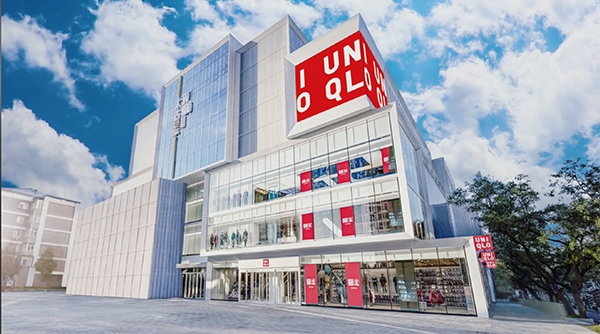
For brand buildings such as automobile 4S stores or retail flagship stores, ACP can help present a recognizable corporate identity. For public buildings, it can support a cleaner, more controlled exterior effect. For renovation projects, ACP is often used to upgrade old facades without fully changing the building structure.
This is why acp facade design should involve both the designer and the manufacturer at an early stage. If the panel size, bending radius, grooving depth, and fixing method are not checked early, the final installation may face unnecessary adjustment on site.
Successful acp cladding work depends on coordination between material supply, fabrication, and installation. Even when the panel itself is high quality, poor site handling or unclear installation drawings can affect the final result.
First, the shop drawings should be clear. They should show panel dimensions, joint locations, fixing points, corner details, openings, and special shaped areas. For complex facades, 3D design or mock-up verification can help reduce mistakes before mass production.
Second, panel processing should be controlled. ACP may need cutting, grooving, bending, punching, or shaping. If grooving is too deep or bending is not consistent, panels can deform or weaken at the edge. Factory processing is usually more stable than uncontrolled site cutting, especially for large projects.
Third, expansion and contraction should be considered. Aluminum materials respond to temperature changes. Proper joint design and fixing clearance help prevent surface stress, bulging, or noise during long-term use.
Fourth, waterproofing and drainage should not be ignored. Exterior cladding systems need to manage rainwater properly. Whether the system uses sealant joints or open joints, the back structure should allow safe drainage and avoid water accumulation.
Finally, on-site protection matters. ACP panels should be protected from scratches, impact, cement contamination, and harsh cleaning chemicals during construction. Many surface problems are not caused by the material itself but by poor handling after delivery.
For project buyers, choosing the right ACP manufacturer is not just about receiving panels. It is about getting material support, customization options, facade knowledge, and stable production for the whole project cycle.
WILLSTRONG has experience in facade products and provides aluminum composite panels for architectural applications. Its product page highlights custom size support and application flexibility, which is useful for projects that require different panel dimensions, surface effects, and installation planning.
For buyers comparing Aluminum Composite Panel options, the key is to evaluate not only the panel name but also the details behind it: coating system, fire performance, panel flatness, customization ability, project experience, and installation support.
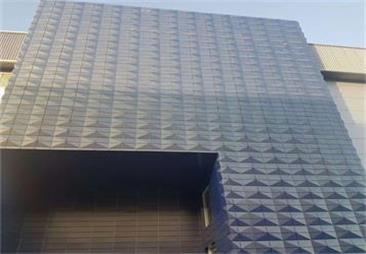
Before confirming an ACP facade order, project teams can review the following points:
Confirm the building application first. Is the panel used for an exterior wall, interior wall, canopy, ceiling, column, or signage area? Different applications may require different panel structures and surface requirements.
Confirm the required fire rating. Public and commercial projects often have stricter standards than small decorative applications.
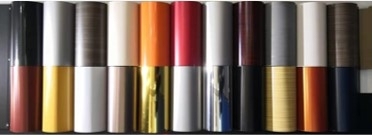
Confirm the surface finish. Color, gloss, texture, metallic effect, stone effect, or special coating should be reviewed with samples under real lighting conditions.
Confirm the panel size and layout. Large panels can look premium, but fabrication, transportation, and installation conditions should be considered.
Confirm the installation method. The facade system should match the wall structure, local climate, and maintenance expectations.
Confirm the supplier’s project support. A reliable manufacturer should understand custom facade requirements instead of only selling standard sheets.
ACP remains a practical and flexible material for modern building exteriors. However, the final quality of an ACP facade depends on much more than the panel surface. Good results come from correct material selection, detailed design, controlled fabrication, and professional installation planning.
For architects, contractors, and project buyers, understanding ACP cladding details helps avoid common mistakes and supports smoother project delivery. Whether the project involves a commercial facade, office building, airport interior, retail store, or renovation work, a well-planned aluminium composite panel design can improve both appearance and long-term performance.
WILLSTRONG provides aluminum composite panel products and facade support for projects that need customized materials, stable exterior performance, and practical cladding solutions.
 Leave a Message