

 Arabic
 Spain
Spain Germany
 France
 Japan
Japan Portuguese
 Russian
 Chinese
 Thailand
 Vietnam
 Indonesia
 India
IndiaNews
THE PIONEER IN FACADE SOLUTIONS


Modern facade projects are becoming more complex than ever. Architects are no longer satisfied with flat exterior walls and standard panel layouts. Developers want buildings with a stronger identity. Contractors need facade systems that can be installed efficiently. Project owners expect materials that can support long-term performance, visual consistency, and practical maintenance.
This is why choosing the right cladding partner matters. For many international projects, working with a China cladding design factory can provide value beyond material supply. A capable factory can support concept design, technical drawings, modular facade systems, precision fabrication, packaging, logistics, and installation guidance.
WILLSTRONG provides custom facade solutions service for architectural projects that require both design flexibility and buildable execution. Instead of only offering facade panels, WILLSTRONG helps project teams move from early ideas to technical realization and panel production.
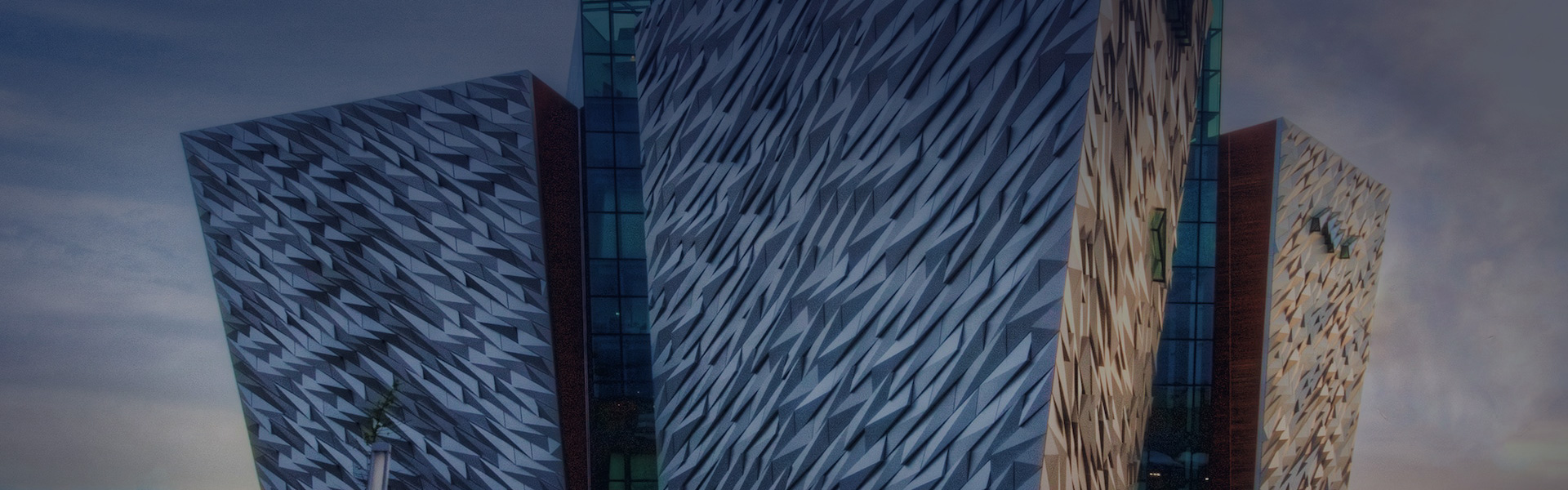
A cladding design factory is different from a basic panel supplier. A basic supplier may only provide standard sheets or panels according to product specifications. A cladding design factory can participate earlier in the project and help transform architectural ideas into practical facade systems.
For custom facade projects, this support may include:
This service model is useful for projects with special facade effects, complex building shapes, large panel areas, curved surfaces, 3D patterns, or modular cladding systems.
When the supplier understands both design and production, communication becomes easier. Architects can discuss visual goals, while contractors can confirm technical requirements. The factory can then evaluate whether the design can be fabricated accurately and installed smoothly.
China has developed a strong manufacturing base for architectural metal panels, aluminum composite panels, honeycomb panels, and customized facade materials. For overseas buyers, a China cladding design factory can often provide a combination of production capacity, technical processing, customization options, and export experience.
However, buyers should not choose a factory based only on production capability. The more important question is whether the factory can support the full facade process.
For example, can the factory understand architectural drawings?
Can it work with custom colors, finishes, and panel shapes?
Can it support modular installation systems?
Can it prepare precise shop drawings for production and installation?
Can it help avoid mistakes before mass production?
A good factory should be able to connect design intention with actual construction needs. This is especially important for modern commercial buildings, airports, hotels, schools, hospitals, shopping centers, and public facilities.
In custom facade projects, concept design is the starting point. This stage is not only about making the building look attractive. It is also about checking how the facade idea can be realized through materials, panel modules, surface finishes, and installation systems.
WILLSTRONG works closely with architects to create facade concepts that express the design vision. The team explores material finishes, panel layouts, and visual rhythms so that the building can have a clear architectural identity.
This early support is valuable because many facade problems start when concept design and production are separated. A rendering may look impressive, but if the panel size, joint treatment, or fixing method is not considered early, the project may face difficulties later.
A professional facade panel service supplier helps reduce this risk by asking practical questions at the beginning:
What material best fits the design?
How should the panels be divided?
Can the chosen finish work for exterior exposure?
Does the panel layout match fabrication limits?
What installation system should be used?
Are special shapes or curved panels required?
When these questions are solved early, the project can move forward with more confidence.
After the concept is approved, the project needs technical shop drawings. This is one of the most important steps in architectural facade customization.
Shop drawings convert design ideas into fabrication and installation information. They show panel dimensions, connection nodes, fixing systems, joint treatments, and assembly details. For contractors, these drawings provide clear guidance for site installation. For the factory, they guide accurate panel production.
Without clear shop drawings, even high-quality facade materials may not deliver the expected result. Poor technical coordination can lead to misaligned panels, inconsistent joints, difficult installation, or unnecessary on-site cutting.
A reliable China cladding design factory should be able to review and prepare shop drawings with production logic in mind. The drawings should not only look correct on paper. They should also be practical for processing, packaging, transportation, and installation.
For projects involving 3D facade design service, curved cladding, or modular facade systems, shop drawings become even more important. Every panel may need a specific size, shape, code, and installation position.
Custom facade projects often need more than panels. They need a suitable installation system. The system behind the panels affects appearance, safety, drainage, ventilation, alignment, and construction speed.
WILLSTRONG offers modular facade systems to support different project needs. For example, hidden hook-on installation can support secure high-rise facade mounting. Open-gap joint design can provide ventilation and drainage for rainscreen applications. Closed-joint installation can create a seamless flat appearance for minimalist facade designs. Clipping structures can support quick installation and high alignment accuracy.
These options are important because different buildings require different facade logic. A commercial plaza may need a strong visual surface. An office tower may require clean lines and secure mounting. A public building may need practical maintenance and stable installation. A rainscreen facade may require better ventilation and drainage.
By choosing the right modular system early, the project team can reduce uncertainty during construction and improve the consistency of the final facade.
After drawings and systems are confirmed, fabrication accuracy becomes critical. Custom facade panels may require cutting, grooving, bending, punching, shaping, or CNC machining. Small errors can become visible when panels are installed across a large exterior wall.
WILLSTRONG supports precision fabrication, using CNC machining to help ensure accurate panel fitting. This matters for custom facade projects because the final appearance depends on the consistency of panel size, edge treatment, joint alignment, and surface protection.
Precision fabrication is especially useful for:
When panels are processed in a controlled factory environment, the site team can focus more on installation instead of repeated adjustment or correction.
For international buyers, logistics and installation support are also important. A facade project does not end when panels are manufactured. The panels must be packed, labeled, shipped, received, stored, and installed correctly.
WILLSTRONG provides logistics support for global projects and offers installation guidance with clear instructions and technical support. This is useful for contractors who need to understand panel order, fixing methods, joint treatment, and protection requirements on site.
Good packaging and clear panel numbering can reduce confusion during installation. Technical support can also help solve questions before they become site problems.
For overseas projects, choosing an experienced facade service supplier can make communication smoother and reduce unnecessary delays.
Before selecting a China cladding design factory, buyers should evaluate more than product categories. A qualified partner should be able to support the complete project process.
Here are several practical points to check:
First, review the factory’s project experience. A supplier with experience in airports, commercial buildings, hotels, schools, hospitals, and public facilities will better understand project-based requirements.
Second, confirm design support ability. The supplier should be able to discuss concept design, 3D facade design service, panel layout, and surface finishes.
Third, check shop drawing capability. Technical drawings are essential for accurate fabrication and installation.
Fourth, ask about modular systems. A good facade solution should include both panels and installation logic.
Fifth, review fabrication control. Custom panels require accurate processing and consistent quality.
Sixth, confirm export and installation support. For international projects, logistics and technical guidance are important parts of successful delivery.
WILLSTRONG supports custom facade solutions service from design to production. Its service process helps simplify complex facade work by connecting creative ideas with technical execution. For architects, this means more space to develop distinctive facade concepts. For contractors, it means clearer installation details. For project owners, it means better control over the final exterior appearance.
As a facade panel service supplier, WILLSTRONG can support projects that require architectural facade customization, modular cladding systems, precision panel fabrication, and practical installation guidance.
For buyers looking for a China cladding design factory, the key is not only finding a manufacturer. The better choice is a partner that understands how facade design, material selection, technical drawings, panel production, and installation support work together.
Custom facade projects need more than standard panel supply. They require design understanding, engineering coordination, fabrication accuracy, and installation support. A professional China cladding design factory can help project teams turn architectural concepts into buildable facade systems.
WILLSTRONG provides a practical custom facade solutions service for modern buildings, supporting concept design, shop drawings, modular systems, precision fabrication, logistics, and installation guidance. For commercial, public, hospitality, transportation, and institutional projects, working with the right facade partner can make the exterior design process more efficient, controlled, and successful.
 Leave a Message