

 Arabic
 Spain
Spain Germany
 France
 Japan
Japan Portuguese
 Russian
 Chinese
 Thailand
 Vietnam
 Indonesia
 India
IndiaNews
THE PIONEER IN FACADE SOLUTIONS


A successful building facade is not created by panel selection alone. It depends on a complete process that connects design ideas, material planning, technical drawings, fabrication accuracy, delivery arrangement, and installation execution. For architects, contractors, developers, and project owners, the real challenge is not only choosing a beautiful exterior material. The challenge is making sure the facade can be built correctly, installed efficiently, and maintained with confidence.
This is where a custom facade solutions service becomes valuable. Instead of treating facade panels as isolated building materials, a complete service approach helps manage the full path from early design to final installation. WILLSTRONG supports this kind of project-based facade service for modern architectural projects, helping clients simplify complex exterior wall planning and turn design concepts into buildable metal facade systems.
Many facade problems appear because different stages of the project are handled separately. The architect creates the visual design. The contractor later checks the installation difficulty. The supplier receives drawings after key decisions have already been made. When this happens, problems can appear during production or site work.
For example, a panel may look suitable in a rendering but be difficult to fabricate in the required size. A joint layout may look clean on elevation drawings but conflict with the supporting structure. A curved facade may need special segmentation, but the details may not be confirmed before production. A surface finish may match the design concept, but the project team may not consider outdoor exposure, cleaning, and long-term appearance.
A custom facade solutions service helps avoid these issues by connecting the project stages earlier. It allows the design team, supplier, and contractor to discuss material, layout, installation method, and production feasibility before problems reach the site.
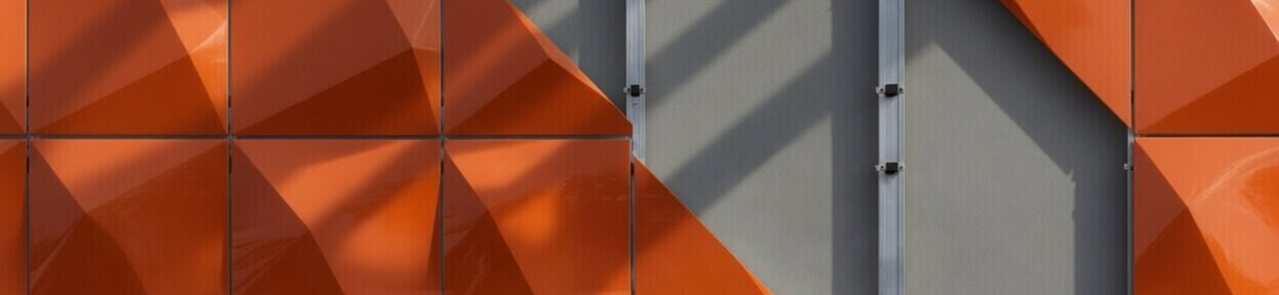
The first step is not immediately selecting panels. A reliable facade service begins by understanding what the project actually needs.
Project teams should provide as much information as possible, including building drawings, facade elevations, reference images, preferred colors, application areas, project location, installation conditions, and expected design effect. Even if the drawings are not fully complete, early information can help the supplier understand the direction.
For a commercial building, the priority may be strong visual identity and durable exterior cladding. For a school or hospital, the focus may be clean design, stable materials, and easy maintenance. For an airport or public venue, the project may require large-scale panel consistency, efficient installation, and reliable technical coordination. For a hotel or retail store, surface finish and brand impression may be more important.
This early requirement review helps the facade panel service supplier recommend the right direction instead of simply offering standard panels.Stage 2: Turning Ideas into a Practical Design Direction
After the project requirements are clear, the next step is concept development. This stage connects architectural creativity with facade feasibility.
In facade design, appearance and buildability must be considered together. Panel size, surface finish, edge treatment, joint width, fixing method, and installation sequence all influence the final result. If these details are ignored during the design stage, the project may need changes later.
A good concept design process should answer several practical questions:
Can the design be divided into workable panel modules?
Can the selected material support the required shape?
Will the surface finish match the building environment?
Can the facade system manage drainage, ventilation, or movement?
Will the installation method work for the building structure?
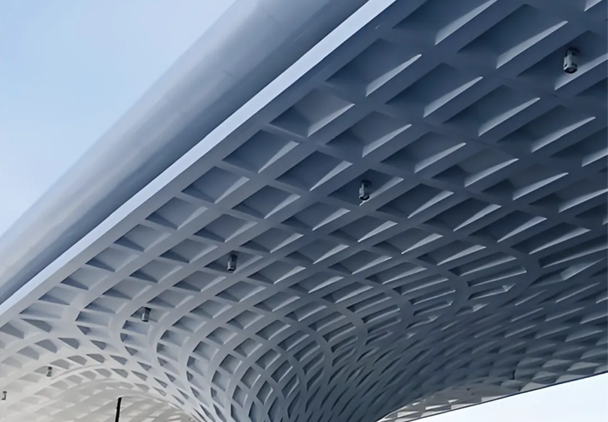
For custom facade solutions, this stage is especially important when the project includes 3D effects, curved cladding, modular panels, hidden fixing systems, or special finishes. The goal is not to limit design creativity, but to make sure the creativity can be realized in a controlled way.
Once the design direction is approved, the project needs to confirm materials and surface finishes. This step affects both the appearance and performance of the facade.
Metal facade projects may use aluminum composite panels, metal honeycomb panels, architectural aluminum panels, or other customized panel systems depending on the project requirements. Different materials have different advantages in weight, flatness, rigidity, processing flexibility, and installation suitability.
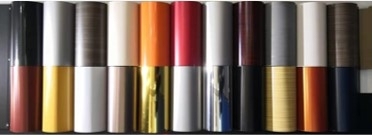
Surface finish selection also needs careful review. Solid colors, metallic effects, brushed textures, stone-like finishes, gloss surfaces, grit textures, mirror effects, and custom colors can create very different architectural expressions. The selected finish should be checked against the building type, lighting conditions, viewing distance, and maintenance expectations.
At this stage, the project team should avoid choosing finishes only from digital renderings. Physical samples, lighting review, and material confirmation can help reduce the difference between design expectation and final building appearance.
Shop drawings are the bridge between design approval and factory production. They turn the facade concept into technical information that can be manufactured and installed.
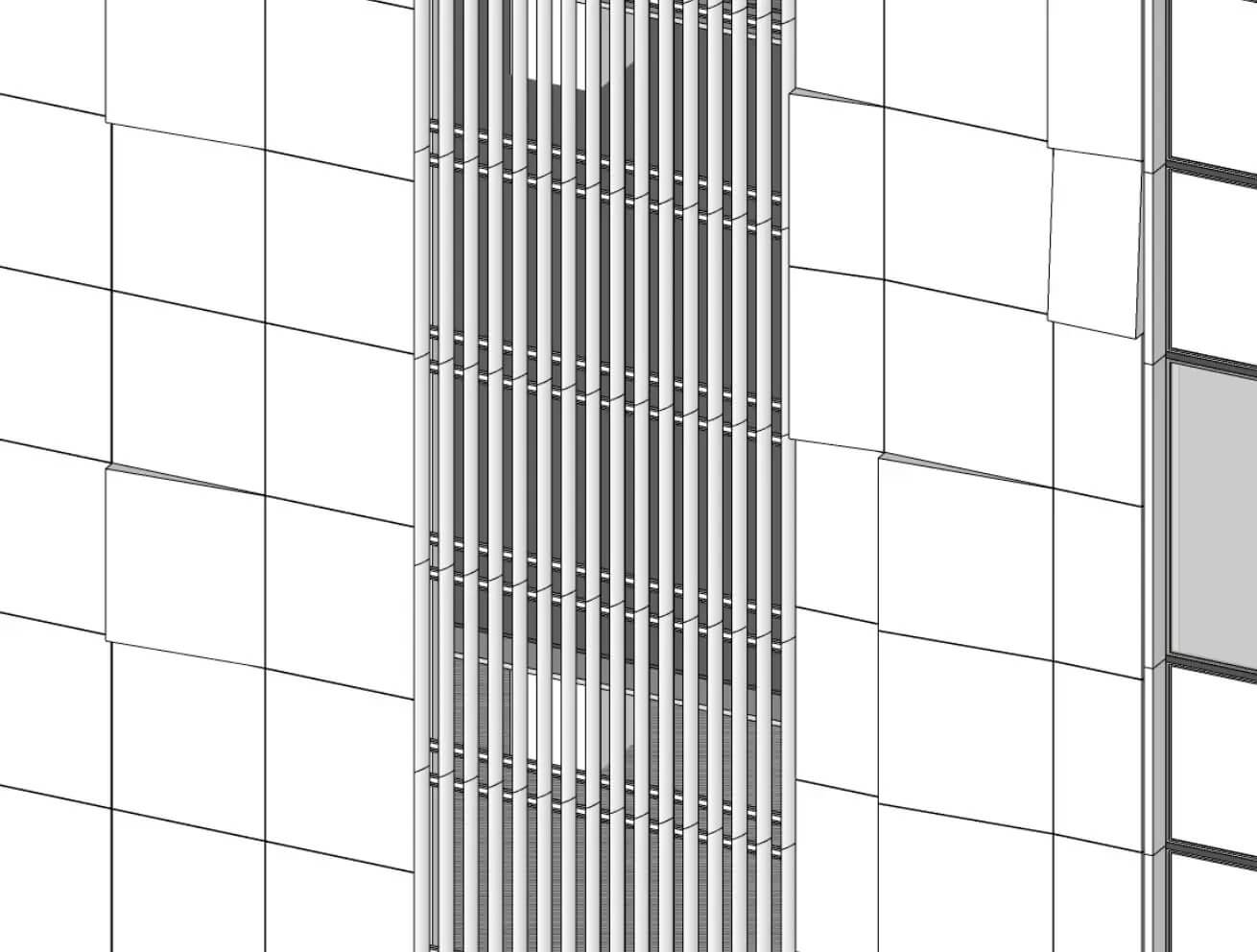
For a custom facade project, shop drawings should include panel dimensions, panel numbering, joint locations, fixing points, connection nodes, edge folding, corner details, and installation references. These drawings guide both production and site assembly.
This stage is where many hidden issues can be found and solved. If a panel is too large for safe handling, it can be adjusted before fabrication. If a joint conflicts with a structural line, the layout can be revised. If a curved area needs special segmentation, the drawings can define each panel more clearly.
For contractors, clear shop drawings reduce uncertainty on site. For manufacturers, they improve production accuracy. For project owners, they help protect the design quality before mass production begins.
A facade panel is only one part of the exterior wall system. The installation system behind it determines how the panels are fixed, aligned, drained, ventilated, and maintained.
Different buildings may need different systems. A hidden hook-on system can help create a clean appearance while supporting secure mounting. An open-gap joint system can support ventilation and drainage for rainscreen-style facades. A closed-joint system can create a flat and seamless look for minimalist building designs. A clipping structure can help improve fitting accuracy and installation efficiency.
Choosing the installation system too late can create problems. The fixing method affects panel design, joint width, supporting structure, fabrication details, and installation sequence. For this reason, the installation system should be discussed before mass production, not after panels arrive on site.
A custom facade solutions service helps match the system to the architectural context. The final choice should consider the building height, wall structure, visual requirements, weather exposure, maintenance needs, and installation conditions.
Once drawings and installation systems are confirmed, the project moves into fabrication. This stage must convert approved technical information into accurate physical panels.
Precision fabrication may include cutting, grooving, bending, punching, forming, CNC machining, surface protection, and panel labeling. For custom facade panels, small errors can become visible across large exterior walls. This is why accuracy and consistency are important.
Quality control should not only check the final panel. It should also cover material preparation, dimension control, processing accuracy, surface protection, packaging method, and delivery sequence. If panels are clearly numbered and packaged according to installation zones, the site team can work more efficiently.
For projects involving 3D facade panels, curved cladding, or irregular modules, controlled fabrication is even more important. Each panel may have a specific position, shape, and installation order.
For international facade projects, delivery planning is part of the service process. Panels should be packed to reduce damage during transportation and organized so that the contractor can identify them quickly after arrival.
Good logistics support should consider panel size, surface finish protection, project schedule, shipping sequence, and on-site storage conditions. Large or customized panels need careful packaging because surface scratches, edge damage, or incorrect handling can affect the final installation result.
Site coordination also matters. Before installation begins, the contractor should understand panel codes, fixing methods, joint treatment, protection requirements, and installation sequence. Clear guidance can reduce rework and help the facade match the approved design.
The final facade quality depends heavily on installation. Even well-produced panels can look poor if they are installed without proper alignment, protection, or fixing control.
Installation guidance helps the site team understand how the system should be assembled. It may include installation drawings, fixing instructions, panel sequence, joint treatment notes, and technical communication when questions appear on site.
For custom facade projects, installation guidance is especially valuable because the panels are often designed for a specific building. The installer needs to follow the correct sequence and avoid uncontrolled cutting or adjustment. This helps maintain panel flatness, joint consistency, and surface quality.
Before starting a custom facade project, buyers can prepare a simple checklist:
Project drawings and elevations
Facade application area
Preferred material and finish
Reference images or design intent
Building location and climate conditions
Installation structure information
Required panel size or module preference
Special needs such as curved, 3D, or modular design
Expected delivery and installation schedule
Technical contact person for drawing coordination
Preparing these details early helps the supplier respond with a more accurate solution and reduces repeated communication.
A custom facade solutions service is not just a design service or a panel supply service. It is a complete project support process that connects design, drawings, system selection, fabrication, delivery, and installation guidance.
For modern architectural projects, this process helps reduce risk and improve control from the beginning. It allows architects to develop creative exterior concepts while helping contractors and project owners manage technical execution.
WILLSTRONG supports custom facade projects by helping clients move from design ideas to technical drawings, modular systems, precision production, logistics support, and installation guidance. For building teams that need practical facade planning and reliable panel delivery, this full-service approach can make exterior wall projects easier to manage and more successful on site.
 Leave a Message