

 Arabic
 Spain
Spain Germany
 France
 Japan
Japan Portuguese
 Russian
 Chinese
 Thailand
 Vietnam
 Indonesia
 India
IndiaNews
THE PIONEER IN FACADE SOLUTIONS


Modern building facades are becoming more than exterior envelopes. They are part of the architectural identity, the project’s visual language, and the long-term performance strategy of a building. Whether the project is an office tower, airport terminal, commercial plaza, hotel, school, hospital, exhibition center, or public venue, the facade must connect design creativity with practical construction.
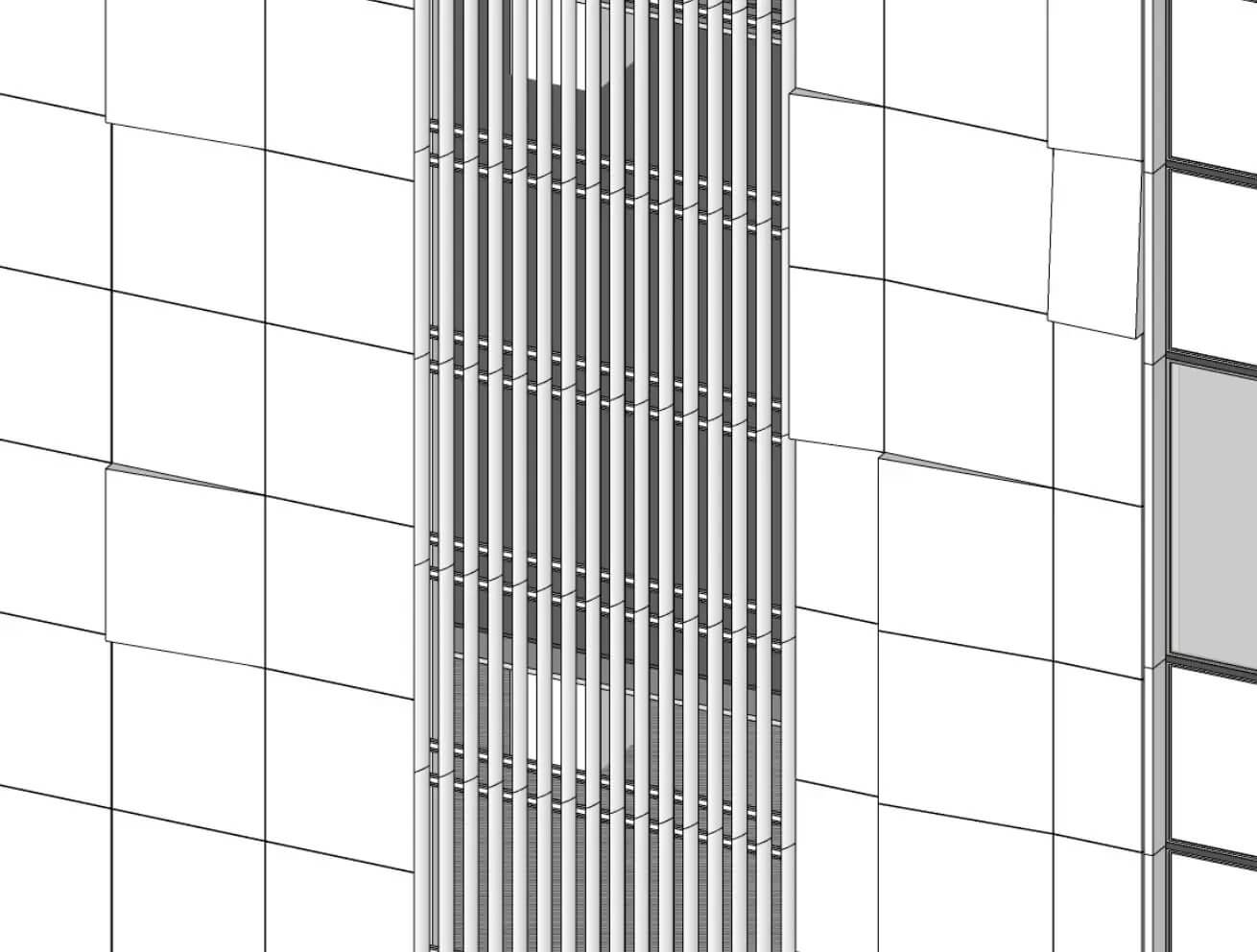
This is where architectural facade customization becomes important. Instead of choosing standard panels and forcing the design to fit existing material limitations, project teams can work with a facade partner that understands concept design, shop drawings, modular systems, material processing, logistics, and installation support.
For architects, customization means more freedom to express the building’s character. For contractors, it means clearer technical details and fewer uncertainties on site. For developers and owners, it means the facade can support both brand image and long-term building value.
WILLSTRONG provides custom facade solutions service for modern architectural projects, helping clients move from early design concepts to panel production and installation planning. The process is not only about manufacturing facade panels. It is about making sure the idea can be produced, assembled, and delivered with consistency.
Every building has different requirements. A commercial mall may need a strong visual effect to attract visitors. A transportation hub may require large-scale panel consistency and reliable installation. A hospital may need clean, stable, and easy-to-maintain exterior materials. A cultural building may require a more expressive facade shape, special color, or unique surface texture.
Standard facade products can meet some basic needs, but they cannot always solve project-specific design challenges. Architectural facade customization helps address questions such as:
What type of panel fits the building design?
How should the panel layout follow the building shape?
Can the surface finish match the architect’s visual concept?
What installation system is suitable for the wall structure?
Can curved, 3D, or modular facade elements be fabricated accurately?
How can the design be converted into production-ready drawings?
These questions should be discussed before mass production. When facade planning starts early, the project team can avoid later conflicts between design intent, fabrication limitations, and site installation conditions.
The first stage of facade customization is concept design. This is where the overall direction of the facade is shaped. Designers may study the building volume, surrounding environment, entrance features, lighting conditions, color relationship, and panel rhythm.
For architectural projects, concept design should not only focus on appearance. A facade concept must also consider material selection, panel size, fixing method, and construction feasibility. A design may look impressive in a rendering, but if it cannot be fabricated or installed efficiently, the project may face delays and redesign work.
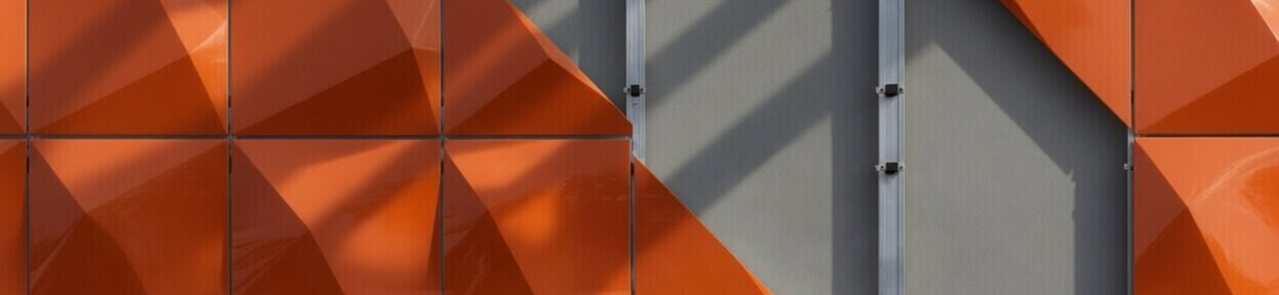
A professional facade design team helps connect creativity with buildability. This includes exploring material finishes, planning panel layouts, reviewing visual rhythm, and checking whether the design can be technically realized. For projects involving 3D facade design, curved cladding, special surface effects, or irregular elevations, this stage is especially important.
At this point, architects and facade suppliers should communicate clearly about design goals. Reference images, project drawings, surface samples, and expected application areas can all help the supplier understand the project direction more accurately.
After the design direction is clear, the next step is selecting suitable facade materials and finishes. Material selection affects not only the appearance but also durability, installation method, maintenance, and overall project performance.
For metal facade projects, common considerations include panel strength, flatness, fire resistance, weather resistance, coating stability, weight, fabrication flexibility, and surface effect. Depending on the project, the facade may require aluminum composite panels, honeycomb panels, architectural aluminum panels, or other customized metal panel systems.
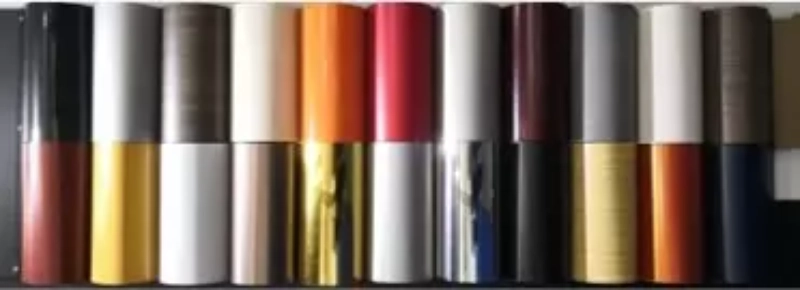
Surface selection is equally important. A facade can use solid colors, metallic finishes, brushed effects, wood textures, stone-like surfaces, gloss finishes, mirror effects, or customized coatings. The right finish should match the building’s style and the surrounding environment.
For example, an office building may prefer a clean and professional appearance. A shopping mall may use stronger colors or reflective surfaces to create visual impact. A hotel may choose warm tones and refined textures. A public building may focus on a balanced, durable, and timeless appearance.
Good material selection should always be connected to the actual application. Exterior wall panels need stronger weather resistance than interior decorative panels. High-traffic public areas may require better surface durability. Curved or 3D panels may need materials with better processing flexibility.
Once the concept and material direction are approved, the project moves into technical drawing development. Shop drawings are one of the most important parts of architectural facade customization.
Shop drawings translate design concepts into precise technical information. They usually include panel dimensions, panel numbering, joint width, fixing points, connection nodes, corner details, installation structure, and opening treatment. These drawings guide fabrication and on-site assembly.
Without accurate shop drawings, even high-quality materials may fail to achieve the expected result. Poor drawing coordination can lead to misaligned panels, inconsistent joints, wrong fixing positions, installation delays, or unnecessary site modifications.
For complex facade projects, shop drawings should be prepared with production and installation in mind. Panel size should consider fabrication limits, transportation, handling, and installation sequence. Joint treatment should consider visual appearance, drainage, ventilation, and thermal movement. Fixing systems should match the wall structure and project requirements.
A reliable facade panel service supplier should not only provide materials but also support this technical conversion process. This is what makes the difference between simple panel supply and full custom facade support.
Modular systems are becoming more important in modern facade projects because they help improve installation efficiency and consistency. A modular facade system allows panels and fixing components to be planned as an integrated solution instead of separate materials.
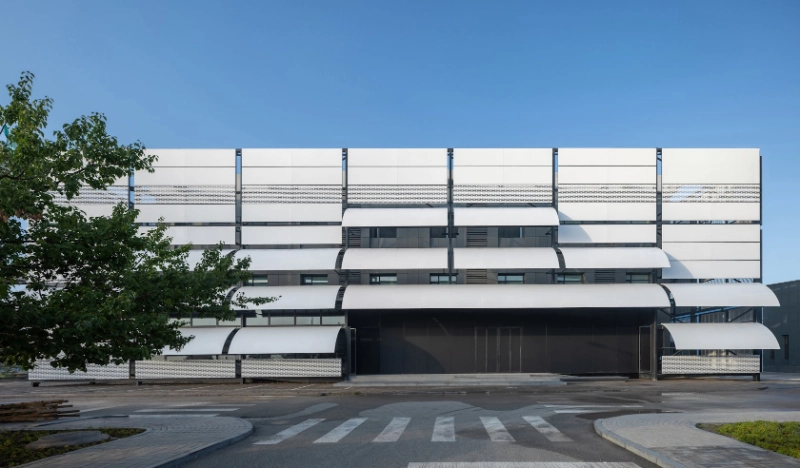
Different projects may require different installation systems. Some facades need hidden hook-on installation for a clean appearance and secure mounting. Some need open-gap joint systems for ventilation and drainage. Some need closed-joint installation to create a seamless flat surface. Others may require clipping structures for precise fitting and quick assembly.
Choosing the right system early helps reduce site uncertainty. It also allows the panel layout, fixing method, and installation sequence to work together. For high-rise buildings, large commercial facades, transportation hubs, and public buildings, this coordination can make the project easier to manage.
Modular systems also support better quality control. When panels are processed and numbered according to the installation plan, the site team can install them more efficiently. This reduces repeated cutting, adjustment, and alignment work during construction.
After drawings and systems are confirmed, the facade moves into fabrication. This is where design accuracy must become production accuracy.
Precision fabrication may include cutting, grooving, bending, punching, shaping, surface protection, and panel assembly. For customized facade panels, accurate processing is essential because small dimensional errors can become visible on large wall surfaces.
CNC machining helps improve consistency, especially for projects with large quantities of panels, irregular shapes, or repeated modules. Accurate fabrication supports better panel fit, cleaner joints, and smoother installation.
For architectural facade customization, production control should also include material inspection, surface protection, panel labeling, packaging, and delivery planning. Panels should be produced according to approved drawings and properly protected during transportation and site handling.
A strong china cladding design factory should understand both manufacturing and project requirements. It should be able to review drawings, control fabrication accuracy, prepare panels for installation, and support international project delivery.
Facade customization does not end when panels leave the factory. For overseas projects, logistics and installation guidance are also important parts of project success.
Panels should be packaged according to size, finish, and installation sequence. Clear labels and packing lists help the contractor identify panels on site. Proper packaging reduces the risk of scratches, deformation, or surface damage during shipping and handling.
Installation guidance can also reduce site errors. Clear instructions, technical support, and installation references help the project team understand fixing methods, joint treatment, panel order, and protection requirements.
For complex projects, early communication between the supplier and contractor can help solve questions before installation starts. This is especially helpful for curved facade panels, 3D facade systems, modular cladding, and customized architectural aluminum panels.
To make the customization process smoother, buyers should prepare as much project information as possible. Useful materials include architectural drawings, elevation files, facade dimensions, reference images, preferred materials, color requirements, installation conditions, and project location.
If the project has special requirements, such as fire resistance, curved design, 3D appearance, large-format panels, or specific installation systems, these should be discussed early. The more complete the information is, the easier it is for the supplier to provide a practical solution.
For architects, developers, and contractors, choosing a facade partner should not be based only on product categories. The supplier should understand design development, technical drawings, production control, and installation needs. This is especially important when the project requires architectural facade customization rather than standard panel supply.
Architectural facade customization is a complete process that connects design creativity with real project delivery. From concept design to shop drawings, from modular systems to precision fabrication, and from logistics to installation guidance, every stage affects the final building appearance and construction efficiency.
For modern architectural projects, a customized facade is not only about creating a unique exterior. It is about making sure the design can be manufactured, installed, and maintained with confidence.
WILLSTRONG supports custom facade solutions service for projects that need design coordination, technical conversion, modular systems, panel production, and practical installation support. By working with an experienced facade panel service supplier, architects and project teams can turn complex exterior ideas into buildable and lasting architectural results.
 Leave a Message