

 Arabic
 Spain
Spain Germany
 France
 Japan
Japan Portuguese
 Russian
 Chinese
 Thailand
 Vietnam
 Indonesia
 India
IndiaNews
THE PIONEER IN FACADE SOLUTIONS


Modern architecture demands materials that balance aesthetics, structural performance, durability, and sustainability. Traditional solid steel panels offer excellent strength, but they often introduce challenges such as excessive weight, difficult installation, and long-term maintenance. This is why architects, façade consultants, and contractors are increasingly turning to steel honeycomb panels as an advanced alternative.
A Steel honeycomb panel combines the visual appeal and durability of steel with the lightweight performance of an aluminum honeycomb core, making it an ideal solution for building façades, commercial interiors, transportation hubs, and architectural landscape projects.
In this guide, we'll explain how steel honeycomb panels are constructed, why they outperform traditional steel sheets, and where they deliver the greatest value in modern construction.
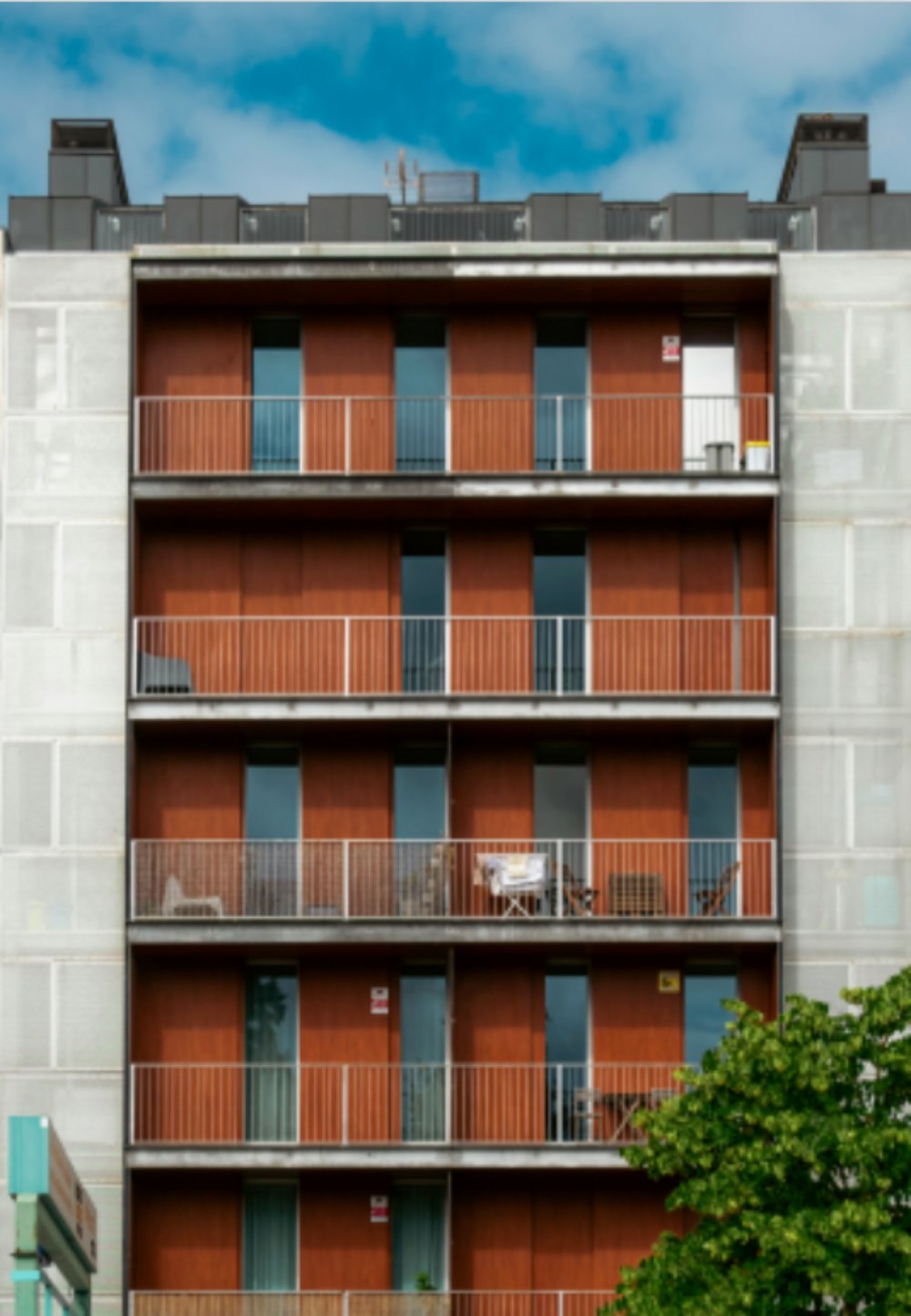
A steel honeycomb panel is a high-performance composite panel consisting of three bonded layers:
Steel face sheet
Aluminum honeycomb core
Protective back sheet (galvanized steel, aluminum, or steel)
These layers are permanently bonded under high pressure and temperature, creating a lightweight sandwich structure with exceptional rigidity.
Unlike solid steel plates, the honeycomb core distributes loads efficiently while dramatically reducing overall weight. The result is a panel that maintains outstanding flatness and structural strength without adding unnecessary dead load to the building.
For weathering steel applications, Corten steel is often selected as the face material, allowing the panel to combine architectural beauty with outstanding atmospheric corrosion resistance.
The performance of a steel honeycomb panel comes from the way each layer contributes to the overall system.
The outer steel layer provides:
Architectural appearance
Surface durability
Impact resistance
Weather resistance
Fire performance
Depending on project requirements, the face sheet may use stainless steel, galvanized steel, or weathering steel such as ASTM A242 or ASTM A588.
For Corten steel versions, alloying elements including copper, chromium, nickel, and phosphorus gradually form a dense protective oxide layer after exposure to alternating wet and dry conditions. Instead of continuous corrosion, the oxidation process stabilizes into a protective barrier that significantly slows further deterioration. This natural patina continues to mature over time, creating the distinctive warm brown appearance favored in contemporary architecture.
The center layer uses aerospace-grade aluminum honeycomb with hexagonal cells.
This structure delivers several important advantages:
High stiffness with minimal weight
Excellent bending resistance
Improved shear strength
Better sound insulation
Thermal insulation
Large-span stability
Because the honeycomb geometry distributes forces efficiently, it achieves exceptional mechanical performance while using relatively little material.
The rear sheet balances the entire composite panel while providing:
Structural stability
Moisture protection
Corrosion resistance
Improved dimensional stability
Back panels are commonly manufactured from aluminum alloy, galvanized steel, or matching weathering steel depending on project requirements.
Although solid steel has long been used in architecture, it presents several practical limitations for modern façade systems.
One of the greatest advantages is weight reduction.
Compared with thick solid steel plates, honeycomb construction can reduce panel weight by more than 90% while maintaining impressive rigidity. Lower weight reduces structural loading, simplifies transportation, and improves installation efficiency.
Large architectural panels often experience deformation over time.
The honeycomb core supports the face sheet across its entire surface, helping maintain excellent flatness even in oversized panels.
This is particularly important for premium commercial façades where visual precision matters.
The enclosed air inside each honeycomb cell naturally improves insulation performance.
Compared with solid steel sheets, steel honeycomb panels help reduce heat transfer while also improving acoustic comfort inside buildings.
Steel honeycomb panels using non-combustible materials can achieve A1 fire performance, making them suitable for airports, transportation terminals, museums, public buildings, and other projects requiring strict fire compliance.
When weathering steel is used as the surface material, the naturally formed protective patina significantly improves atmospheric corrosion resistance.
Under appropriate environmental conditions, weathering steel offers corrosion resistance approximately three to eight times greater than ordinary carbon steel, with service life measured in decades rather than years.
The combination of lightweight construction and architectural flexibility makes steel honeycomb panels suitable for a wide range of projects.
Modern commercial buildings frequently use steel honeycomb panels for:
Curtain walls
Exterior cladding
Entrance canopies
Architectural fins
Decorative screens
Large panel sizes create clean, contemporary façades with minimal visible joints.
Industrial renovation has become one of the fastest-growing architectural sectors worldwide.
Weathering steel honeycomb panels preserve the industrial character of older buildings while reducing structural loading compared with traditional steel construction.
They are commonly used for:
Factory renovations
Creative parks
Cultural centers
Historic warehouse conversions
Architects appreciate weathering steel because its appearance evolves naturally over time.
The changing surface creates visual depth that complements museums, galleries, exhibition centers, and public art installations.
Steel honeycomb panels are widely specified for:
Landscape walls
Sculptural installations
Garden structures
Pergolas
Signage
Feature screens
Their combination of durability and natural weathered texture integrates beautifully with outdoor environments.
Beyond exterior use, steel honeycomb panels also enhance interior commercial spaces, including:
Feature walls
Elevator lobbies
Retail interiors
Hotel public areas
Office reception spaces
The lightweight construction makes installation easier than traditional solid steel panels.
Selecting the appropriate steel honeycomb panel depends on project conditions.
Key factors include:
Panel thickness
Face sheet material
Environmental exposure
Wind load
Fire requirements
Installation system
Surface finish
For weathering steel panels, pre-weathered finishes are increasingly popular because they provide a consistent appearance immediately after installation while minimizing early-stage rust runoff.
Proper detailing—such as drainage channels, expansion joints, and isolation from dissimilar metals—also contributes to long-term performance.
Established in 1995, WILLSTRONG® has become one of China's leading façade solution providers, serving projects across commercial, transportation, cultural, and public architecture.
As one of China's Top 100 façade solution companies, WILLSTRONG specializes in aluminum composite panels, fire-resistant composite panels, and advanced aluminum honeycomb systems. Its products have been specified for internationally recognized projects, including Charles de Gaulle International Airport, reflecting decades of manufacturing expertise and quality-focused engineering.
For architects and contractors seeking reliable façade materials, WILLSTRONG provides customized steel honeycomb panel solutions with professional technical support, precision manufacturing, and flexible fabrication options for complex architectural designs.
Steel honeycomb panels represent a significant advancement over traditional steel construction. By combining durable steel surfaces with lightweight honeycomb technology, they solve many of the challenges associated with conventional steel panels, including excessive weight, deformation, and installation complexity.
Whether used for curtain walls, landscape architecture, urban renewal, or premium commercial interiors, steel honeycomb panels deliver an excellent balance of structural efficiency, architectural aesthetics, long-term durability, and sustainable performance.
As architectural projects continue to demand larger panels, cleaner façades, and longer service life, steel honeycomb panels are becoming an increasingly important material in contemporary building design.
 Leave a Message