

 Arabic
 Spain
Spain Germany
 France
 Japan
Japan Portuguese
 Russian
 Chinese
 Thailand
 Vietnam
 Indonesia
 India
IndiaNews
THE PIONEER IN FACADE SOLUTIONS


Facade quality is often discussed in terms of materials, appearance, durability, or design flexibility. But in an actual building project, these factors do not work independently. A high-quality facade also depends on how different components are coordinated, how the installation structure is organized, and how accurately the intended design is translated into the finished building.
Facade quality is often discussed in terms of materials, appearance, durability, or design flexibility. But in an actual building project, these factors do not work independently. A high-quality facade also depends on how different components are coordinated, how the installation structure is organized, and how accurately the intended design is translated into the finished building.
This is where WILLSTRONG® takes a practical approach to facade technology.
Established in 1995, WILLSTRONG® has developed more than three decades of experience in facade products, including aluminum composite panels, fire-resistant composites, and aluminum honeycomb systems. As one of China's TOP 100 facade solutions companies, the company has built its capabilities through continuous technical development, project experience, certifications, and attention to installation details.
Its philosophy, "Crafting with Quality, Making for Excellence," is not limited to manufacturing. It also reflects an understanding that the quality of a facade solution needs to continue from product development to installation.
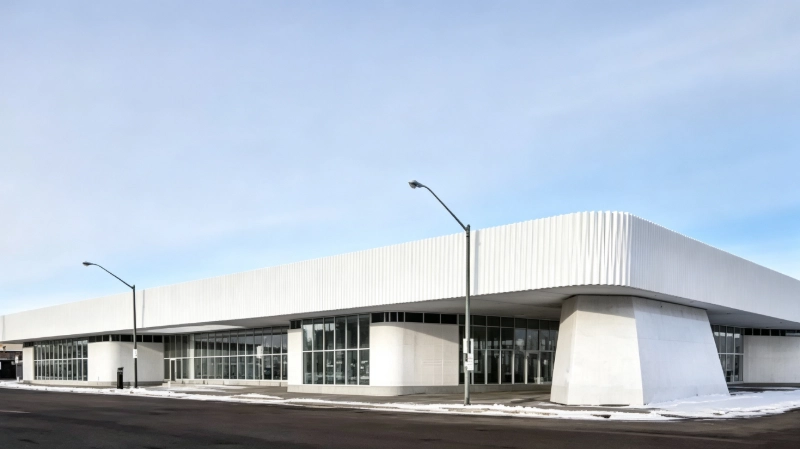
A facade panel is one visible part of a larger installation system. Once the product reaches a construction site, the quality of the final result depends on how the components are coordinated and installed.
A facade panel is one visible part of a larger installation system. Once the product reaches a construction site, the quality of the final result depends on how the components are coordinated and installed.
This makes installation technology an important extension of product technology.
For WILLSTRONG®, the development of facade solutions has been supported by more than 30 certifications worldwide and more than 10 technology patents. The company has also accumulated more than 100,000 successful cases across more than 80 countries and regions.
These figures represent accumulated experience, but practical quality is ultimately reflected in the details of individual projects.
An installation system needs to address the relationship between facade components and the supporting structure. Different components have different functions, and their coordination affects installation efficiency, positioning, connection, and the finished appearance.
This is why a technical approach to facade manufacturing cannot stop at the production stage. It needs to consider how a product becomes part of an installed architectural surface.
This is why a technical approach to facade manufacturing cannot stop at the production stage. It needs to consider how a product becomes part of an installed architectural surface.
One of the key areas where facade technology becomes practical is the installation system.
One of the key areas where facade technology becomes practical is the installation system.
The InsulationWool component forms part of the facade installation solution, demonstrating how material and installation considerations can be integrated into a broader facade structure. In facade construction, insulation-related components need to be considered together with the surrounding installation arrangement rather than treated as an isolated material.
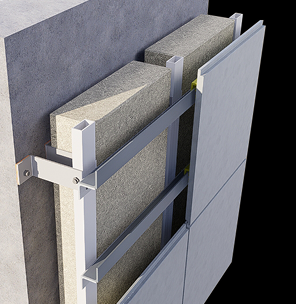
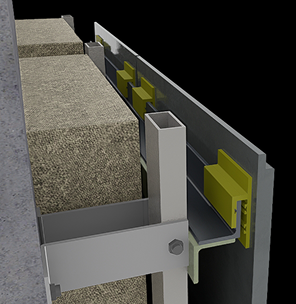
The U-Hook provides another example of an installation component designed around practical facade assembly. Components such as hooks become important when the installation process requires organized connection and positioning between facade elements.
The purpose of these components is not simply to add more parts to a facade system. Their value lies in creating a more structured installation approach, where each component has a defined place within the overall solution.
Components such as hooks become important when the installation process requires organized connection and positioning between facade elements.
The purpose of these components is not simply to add more parts to a facade system. Their value lies in creating a more structured installation approach, where each component has a defined place within the overall solution.
For projects that use aluminum honeycomb panels, the honeycomb panel rear-bolt dry-hanging system provides another installation approach. Dry-hanging installation can be particularly important when project teams need to coordinate panel positioning and the supporting connection structure with greater precision.
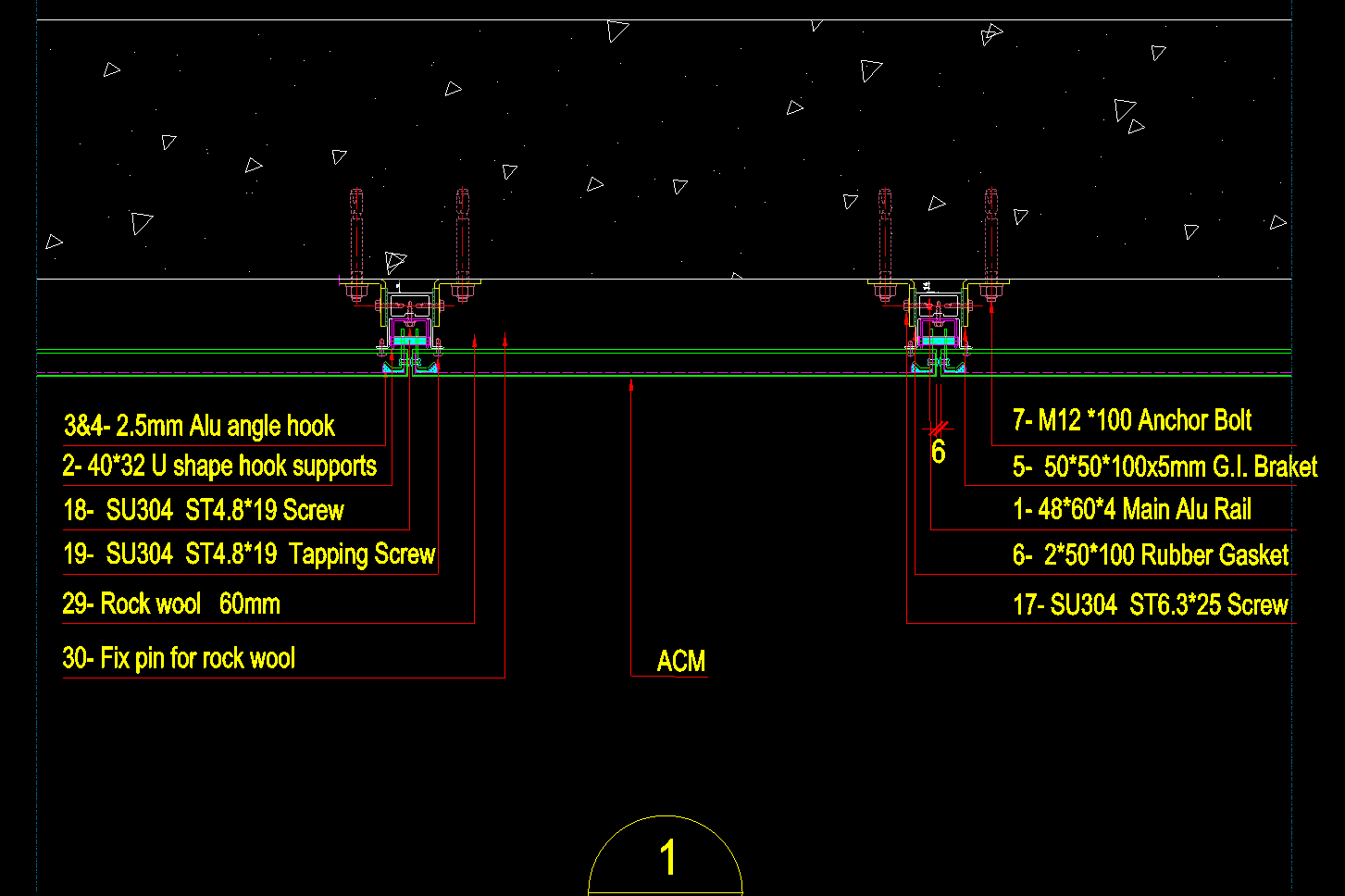
The installation process can also be understood through the hook-type node diagram, which provides a visual representation of how the relevant connection details are organized.
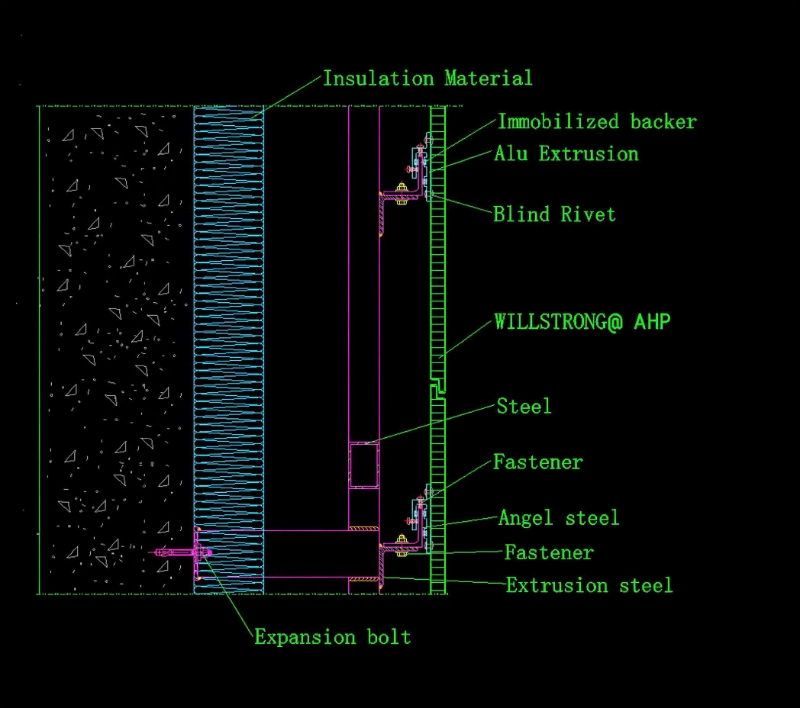
For architects, contractors, and facade professionals, this type of technical information has practical value. It helps translate a general facade concept into specific installation relationships that can be considered during project planning and construction.
This is an important distinction between simply supplying facade materials and providing a more complete facade solution.
A facade can look simple when viewed from a distance. However, the finished surface is the result of many details working together.
A facade can look simple when viewed from a distance. However, the finished surface is the result of many details working together.
Panel positioning, connection arrangements, supporting components, and installation coordination can all affect the final appearance and practical performance of a facade.
For this reason, WILLSTRONG® places attention on installation-related details as part of its broader quality approach.
The InsulationWool, U-Hook, honeycomb panel rear-bolt dry-hanging system, and hook-type node diagram represent different elements within the installation discussion. Rather than viewing them as unrelated accessories, they can be considered as parts of a technical process that connects facade products with actual construction requirements.
This approach also makes quality easier to understand.
Quality is not only about whether a product leaves the factory in good condition. It is also about whether the product can be properly integrated into the project and whether the installation process can translate the intended facade design into a finished result.
For a manufacturer with long-term industry experience, this practical perspective is especially important. Project requirements are rarely identical, and installation conditions can vary from one building to another. Experience accumulated through real applications therefore becomes an important source of technical understanding.
The value of an installation solution becomes clearer when considered alongside real projects.
The value of an installation solution becomes clearer when considered alongside real projects.
Facade solutions applied in a renovation environment, where materials and installation solutions need to fit within an existing building context.
RenovationPre-roll-coated textured wood-grain aluminum composite panels used to achieve a distinctive architectural appearance.
SchoolAnother practical reference to WILLSTRONG®'s accumulated project and engineering experience.
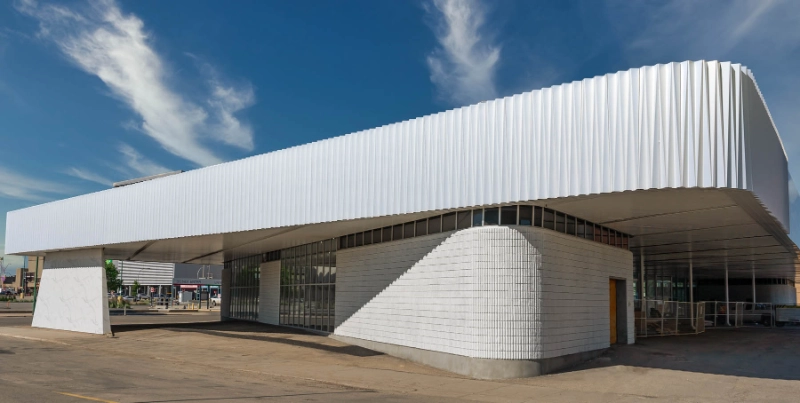
CommercialThe Brute, Canada is one example of a project where facade solutions were applied in a renovation environment. Unlike new construction, renovation projects often involve an existing building context. Facade materials and installation solutions therefore need to fit within the requirements of the project rather than being considered in isolation.
The project demonstrates the practical side of facade renovation, where material selection and installation need to work together to support the intended architectural result.
Another example is the ASIG American International School, where pre-roll-coated textured wood-grain aluminum composite panels were used.
The wood-grain finish introduces a different visual direction from conventional metal facade appearances. It shows how aluminum composite panels can be used to achieve a specific material expression while remaining part of a structured facade solution.
For a school building, the appearance of the exterior can play an important role in the overall architectural environment. The application of pre-roll-coated textured wood-grain aluminum composite panels demonstrates how surface finish and facade material can contribute to the project's visual character.
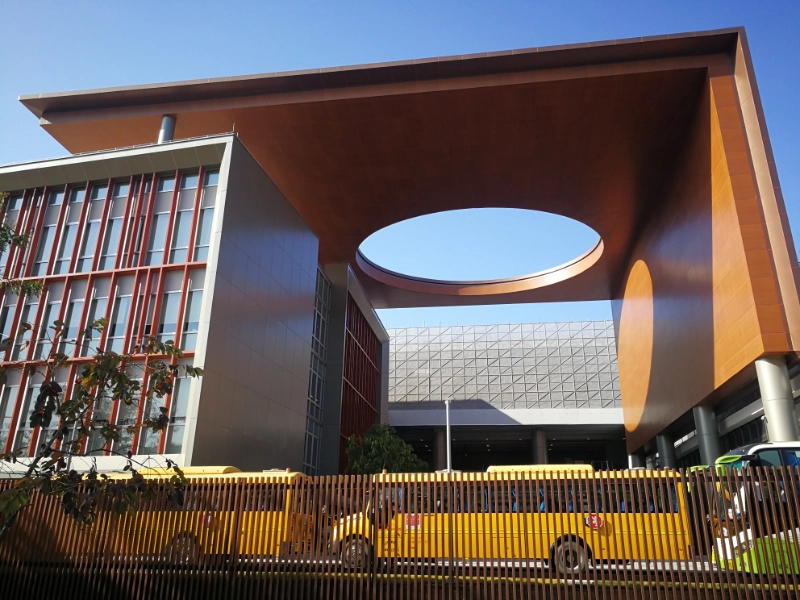
The third project, Xi'an Zhongda International Mall, adds another practical reference to WILLSTRONG®'s project experience.
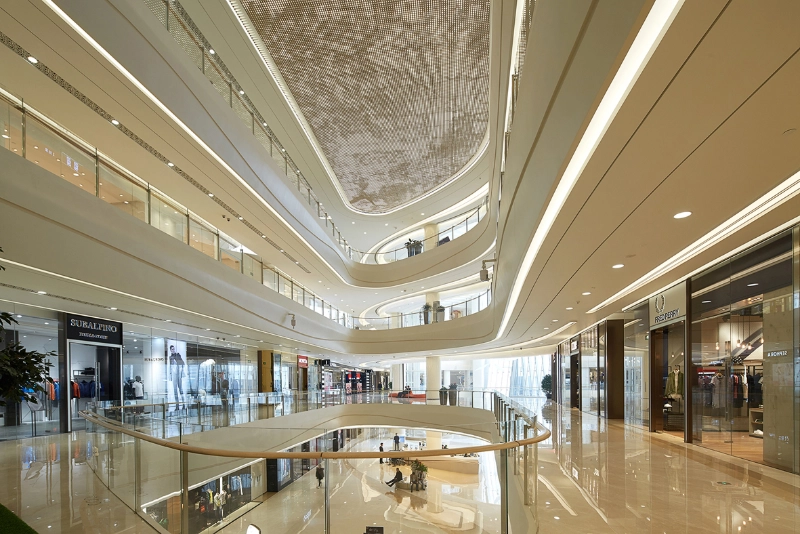
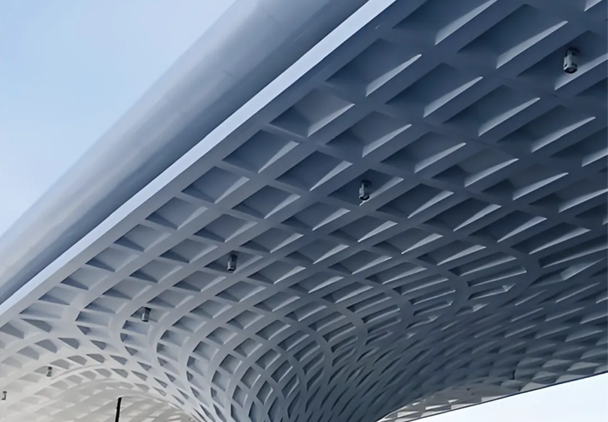
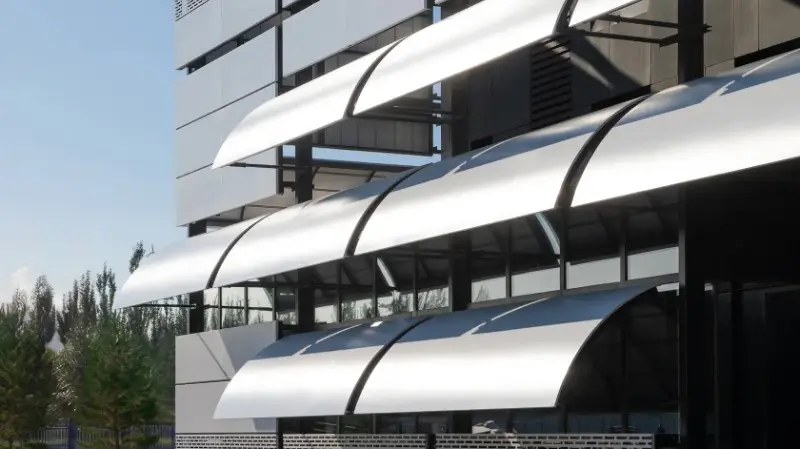
These three projects represent different application contexts. The Brute, Canada focuses on a renovation environment, the ASIG American International School demonstrates a distinctive textured wood-grain facade application, and Xi'an Zhongda International Mall adds another real project reference to the company's accumulated engineering experience.
Rather than treating these projects as isolated examples, they demonstrate a broader point: facade technology needs to work in real architectural applications.
Technical strength is not simply a collection of certificates or product names. It is also the ability to understand how different parts of a facade solution relate to one another.
With more than three decades of development since 1995, WILLSTRONG® has built experience across products, technology, installation considerations, and project applications.
The company's position as one of China's TOP 100 facade solutions companies is supported by more than 30 certifications worldwide, more than 10 technology patents, and a customer base covering more than 80 countries and regions.
However, technical strength is not simply a collection of certificates or product names.
It is also the ability to understand how different parts of a facade solution relate to one another.
The connection between facade products and installation systems is a good example. A product needs to be manufactured with consistency, while an installation solution needs to provide a practical way to integrate that product into a building.
This system-oriented way of thinking is particularly relevant as facade projects become more detailed and project teams place greater emphasis on coordination.
For WILLSTRONG®, the objective is not to separate product development from installation requirements, but to connect the two through practical engineering experience.
Innovation in facade technology does not always mean creating something completely new. In many cases, meaningful innovation comes from improving how existing materials, components, and installation methods work together.
Innovation in facade technology does not always mean creating something completely new. In many cases, meaningful innovation comes from improving how existing materials, components, and installation methods work together.
That is where WILLSTRONG® continues to build on its experience.
From aluminum composite panels and fire-resistant composites to aluminum honeycomb systems, product development is supported by a long-term commitment to quality.
Solutions such as InsulationWool, U-Hook, the honeycomb panel rear-bolt dry-hanging system, and the hook-type node diagram show the importance of considering how facade products are ultimately installed.
More than 100,000 successful cases provide a practical foundation for continued improvement and project-based technical understanding.
From aluminum composite panels and fire-resistant composites to aluminum honeycomb systems, the company's product development is supported by a long-term commitment to quality. At the installation level, solutions such as InsulationWool, U-Hook, the honeycomb panel rear-bolt dry-hanging system, and the hook-type node diagram show the importance of considering how facade products are ultimately installed.
Its experience across more than 100,000 successful cases also provides a practical foundation for continued improvement.
Looking ahead, the same principle remains relevant: quality needs to be considered throughout the entire process.
From product design and manufacturing to installation and project application, every stage contributes to the final facade.
That is the practical meaning behind "Crafting with Quality, Making for Excellence." For WILLSTRONG®, innovation is most valuable when it can be translated into reliable products, clear installation solutions, and results that meet real project requirements.
More than three decades of experience provide the foundation. Technology provides the tools. Installation connects those tools to architecture.
And by continuing to connect innovation with practical installation, WILLSTRONG® is building a lasting approach to facade quality for the years ahead.
Connecting product development, installation systems, and real project experience.
More than three decades of experience provide the foundation. Technology provides the tools. Installation connects those tools to architecture.
And by continuing to connect innovation with practical installation, WILLSTRONG® is building a lasting approach to facade quality for the years ahead.
 Leave a Message