

 Arabic
 Spain
Spain Germany
 France
 Japan
Japan Portuguese
 Russian
 Chinese
 Thailand
 Vietnam
 Indonesia
 India
IndiaNews
THE PIONEER IN FACADE SOLUTIONS


A closer look at how WILLSTRONG® quality is tested through real projects, installation experience, and architectural applications across different building types and global markets.
A facade manufacturer's development can be described through years in business, certifications, patents, production capabilities, and the number of markets it serves. But for customers choosing a facade supplier, another question is often more important: how does the company's quality perform when its products become part of real buildings?
This is where project experience matters.
Its experience includes more than 30 certifications worldwide, more than 10 technology patents, over 100,000 successful cases, and customers across more than 80 countries and regions.
These figures show the scale of its accumulated experience. However, a company's technical capabilities ultimately need to be tested by actual projects.
For WILLSTRONG®, projects provide that connection between manufacturing experience and the finished building. Different locations, building types, architectural requirements, and installation conditions create practical challenges that cannot be fully understood through product descriptions alone.
That is why global project experience has become an important part of the company's quality story.
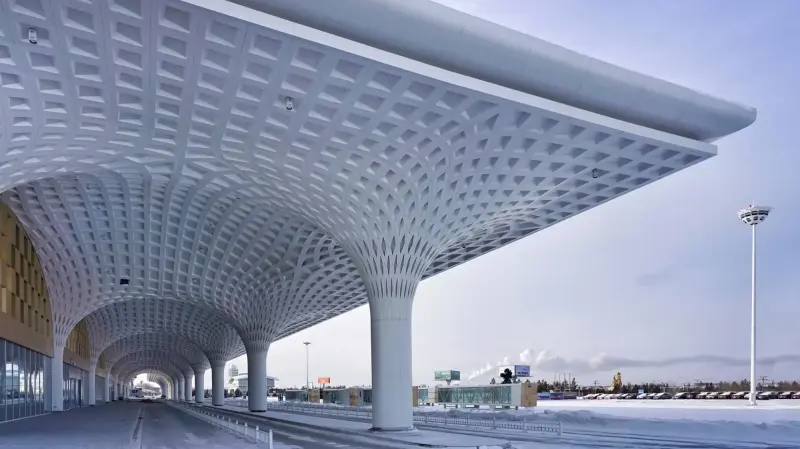
Completed projects provide practical references for understanding how facade products and technical capabilities perform in real architectural environments.
A successful facade project is not simply about selecting a material. The final result depends on how the product fits the project's design requirements and how the facade solution is translated into the building.
This makes completed projects valuable references for understanding a manufacturer's capabilities.
WILLSTRONG has accumulated project experience across different architectural environments. The company describes its approach through a simple principle: "Crafting with Quality, Making for Excellence."
In practice, this means treating quality as something that needs to be carried from product development into actual project applications.
The company's long-term development also provides a foundation for this approach. More than 30 years of ongoing support means that project experience is not treated as a one-time achievement. Instead, experience from completed applications can contribute to a broader understanding of facade products, technical requirements, and customer expectations.
This is particularly relevant when projects are located in different regions.
A facade solution that works in one environment may face different design or application requirements elsewhere. Global project experience therefore creates opportunities for a manufacturer to understand different project contexts while maintaining a consistent focus on quality.
Facade quality is connected not only to the manufactured product, but also to the systems and components that support installation.
The performance of a facade solution cannot be separated completely from installation.
For WILLSTRONG®, installation-related components and systems form part of the practical connection between facade products and real architectural applications.
The MaleFemaleConnectors and U-Hook are examples of installation components that can be considered within the broader project solution.
Rather than focusing on the structural details of each component, the more important point is how installation technology supports the transition from manufactured facade products to an installed building surface.
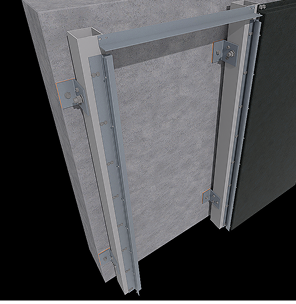
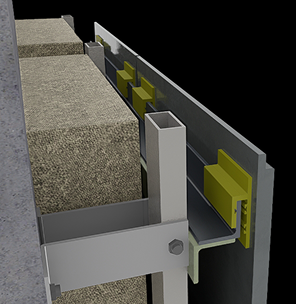
The honeycomb panel rear-bolt dry-hanging system and hook-type node diagram provide further references to installation organization.
These systems and details are particularly meaningful when viewed from the perspective of project execution. A facade solution needs to be considered not only as a finished material, but also as something that must be coordinated during installation.
This is where accumulated project experience becomes valuable.
For a company with more than three decades of development, installation knowledge can become part of the practical experience behind future projects. It allows product quality and installation considerations to be viewed as connected parts of the same project process.
The objective is not simply to provide facade materials. It is to make the transition from product to building more practical and controlled.
Different building types create different project contexts, making completed applications valuable references for understanding facade expertise.
The strongest way to understand project-proven quality is to look at actual applications.
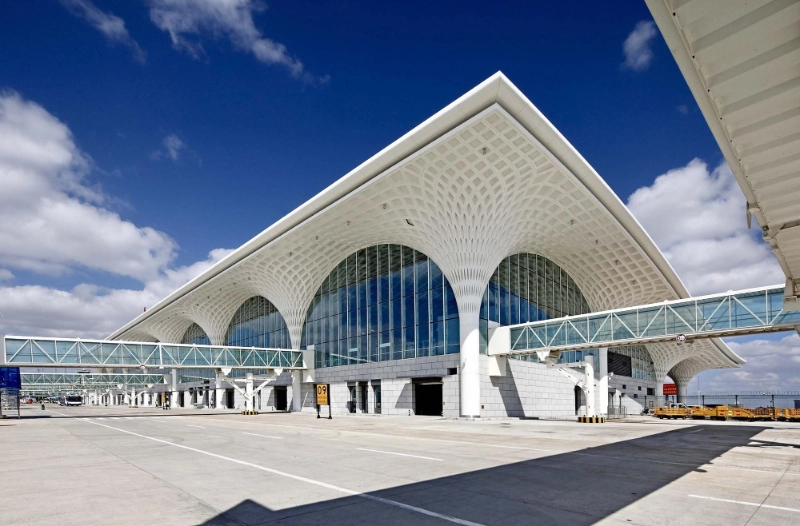
The Inner Mongolia Hailar Airport is one of the projects included in WILLSTRONG®'s project experience.
As an airport project, it represents an architectural environment where the facade application becomes part of a larger public building context.
The importance of a project like this is not simply its building type. It demonstrates how facade products become part of an actual architectural project with defined requirements, construction processes, and a completed visual result.
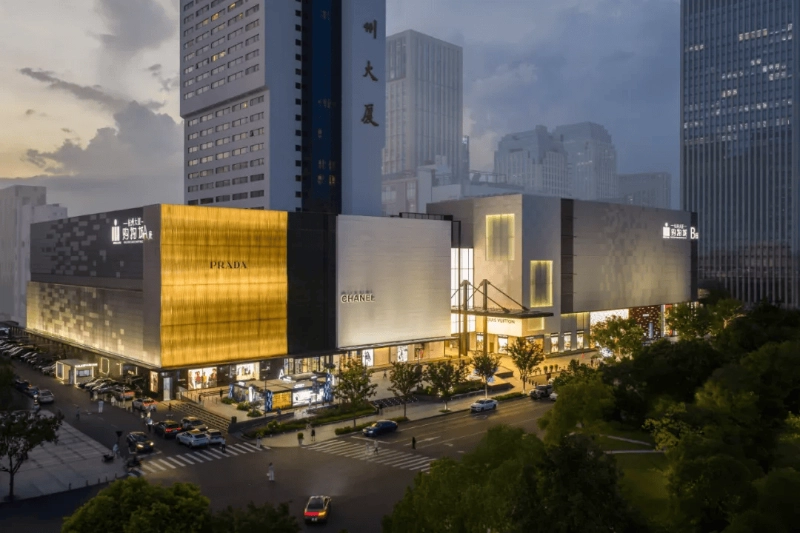
Another project is Hangzhou Tower Shopping City(Louis Vuitton).
As a landmark commercial project, Hangzhou Tower Shopping City(Louis Vuitton) provides another reference point for evaluating facade application in a commercial architectural environment.
Commercial buildings often require the facade to contribute to the overall identity and visual expression of the building. This makes material application and project execution important parts of the final architectural result.
The third example is Brown University.
The Brown University project demonstrates the application of WILLSTRONG® facade solutions in an educational architectural environment.
Compared with commercial or airport projects, educational buildings can have their own architectural context and visual requirements.
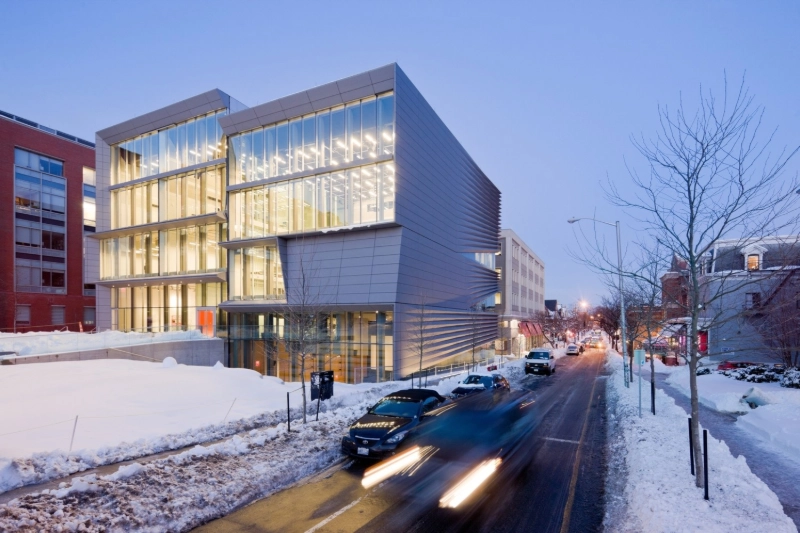
Together, these three projects provide different perspectives on project experience. Inner Mongolia Hailar Airport represents an airport application. Hangzhou Tower Shopping City(Louis Vuitton) represents a commercial landmark environment. Brown University represents an educational building context.
The value of these projects lies in this diversity. They show that facade expertise is not limited to one type of building or one type of architectural environment.
A single project demonstrates capability. A long project history demonstrates the ability to accumulate and apply experience over time.
One project can demonstrate what a manufacturer is capable of doing. A long project history can demonstrate something more: the ability to build experience over time.
For WILLSTRONG®, more than 100,000 successful cases represent years of practical exposure to different project requirements. Combined with customers in more than 80 countries and regions, this creates an extensive foundation for understanding how facade products are applied in real situations.
This experience also gives meaning to the company's certifications and technology patents.
Certifications provide evidence of compliance with relevant standards and requirements. Technology patents represent continued technical development. Project experience shows how those capabilities are translated into practical applications.
Quality, in this sense, is not defined by a single specification or a single project. It is built through repeated attention to materials, manufacturing, technical details, installation, and project requirements.
This is consistent with the principle that "Quality, details, care and persistence give the brand more vitality."
For WILLSTRONG®, persistence means continuing to improve rather than treating previous achievements as the end point.
Working across different countries and regions requires consistent standards while responding to individual project needs.
Operating across different countries and regions creates another important requirement: maintaining consistent standards while responding to individual project needs.
The projects represented by Inner Mongolia Hailar Airport, Hangzhou Tower Shopping City(Louis Vuitton), and Brown University come from different architectural environments.
Their value is therefore not that they are identical, but that they demonstrate how facade expertise can be applied across different project contexts.
At the same time, installation-related solutions such as MaleFemaleConnectors, U-Hook, the honeycomb panel rear-bolt dry-hanging system, and the hook-type node diagram show another side of project capability.
These installation references do not need to be viewed as separate from the products themselves. They are part of the process through which facade products become completed architectural surfaces.
For project owners, architects, contractors, and facade professionals, this distinction matters. A facade supplier needs to understand not only what can be manufactured, but also how the solution will be applied in an actual project.
That is where long-term experience becomes difficult to replace.
Experience becomes most valuable when it provides a foundation for continued improvement, technical development and future projects.
More than three decades of development give WILLSTRONG® a substantial foundation, but experience is most valuable when it supports continued improvement.
The facade industry will continue to evolve. Architectural design will develop new requirements, project teams will expect more coordinated solutions, and facade manufacturers will need to keep improving their products and technical capabilities.
For WILLSTRONG®, the next stage is therefore not about leaving its existing experience behind. It is about building on it.
The company's philosophy of "Crafting with Quality, Making for Excellence" provides a clear direction. Quality remains the foundation, while innovation creates opportunities for continued development.
The projects represented by Inner Mongolia Hailar Airport, Hangzhou Tower Shopping City(Louis Vuitton), and Brown University provide practical references for the company's accumulated project experience.
At the same time, installation solutions such as MaleFemaleConnectors, U-Hook, the honeycomb panel rear-bolt dry-hanging system, and hook-type node diagram demonstrate the importance of considering how facade solutions are ultimately applied.
They are opportunities to test products, processes, technical coordination, and attention to detail in real architectural environments.
That is ultimately how quality becomes credible.
For WILLSTRONG®, more than three decades of innovation have created the foundation. Global projects have provided the practical test. And continued attention to quality, responsibility, details, and technical development will shape the company's next chapter.
The goal remains straightforward: build on proven experience, continue improving, and deliver facade solutions that turn quality from a promise into something visible in the finished project.
Global projects connect accumulated manufacturing experience with practical architectural results.
A facade manufacturer's development can be measured through years of experience, certifications, patents, production capabilities, and market coverage. But the strongest evidence of quality is often found in what happens when those capabilities become part of a real building.
Inner Mongolia Hailar Airport, Hangzhou Tower Shopping City(Louis Vuitton), and Brown University represent different architectural environments. Together, they show how facade expertise can be applied across different building types and project requirements.
Installation-related solutions such as MaleFemaleConnectors, U-Hook, the honeycomb panel rear-bolt dry-hanging system, and the hook-type node diagram add another dimension to this experience by showing how manufactured facade products connect with actual installation processes.

 Leave a Message