

 Arabic
 Spain
Spain Germany
 France
 Japan
Japan Portuguese
 Russian
 Chinese
 Thailand
 Vietnam
 Indonesia
 India
IndiaNews
THE PIONEER IN FACADE SOLUTIONS


Leading manufacturers in the cladding market include Trespa, Fundermax, James Hardie, CENTRIA, WILLSTRONG, and SFS/NVELOPE. A rainscreen is an outer cladding layer with a ventilated air cavity that controls moisture and improves energy efficiency.
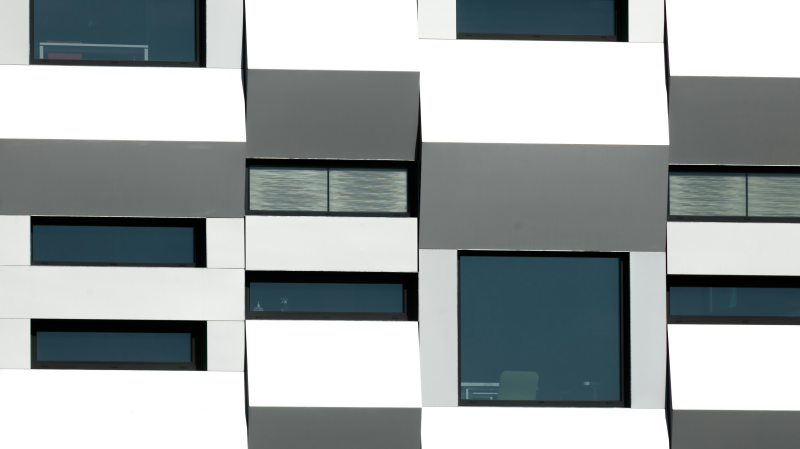
Leading manufacturers in the cladding market include Trespa, Fundermax, James Hardie, CENTRIA, WILLSTRONG, and SFS/NVELOPE. A rainscreen is an outer cladding layer with a ventilated air cavity that controls moisture and improves energy efficiency. The manufacturer you select affects durability, appearance, fire performance, and long-term maintenance.
A high-performance rainscreen relies on a drained and back-ventilated system to manage water and moisture effectively, reducing the risk of moisture intrusion. Pressure-equalized rainscreens offer enhanced protection for the building envelope and water-resistive barrier. Each manufacturer will be covered with its background, product range, and suitability for modern rainscreen system applications.
Pick a cladding material that matches your building type for the best results.
A rainscreen system works as a whole, not just the panels by themselves.
Check fire ratings and warranties to make sure safety and a long life.
Choose manufacturers that have green certifications to help the environment.
High-pressure laminate panels are now a top pick for ventilated rainscreen systems, combining moisture stability, dimensional control, weather resistance, and design flexibility.
High-pressure laminate panels are now a top pick for ventilated rainscreen systems . Their high resin content and pressure-cured structure make dense surfaces. These surfaces stand up to moisture, impact, and weather. The panels meet EN 438 standards, which set rules for weathering and dimensional stability. Exterior facades and rainscreen systems make up 32% of HPL demand. This comes from moisture stability and fire-tested performance.
Trespa is a Dutch manufacturer that makes compact HPL panels like Meteon and Virtuon. These products have through-colored cores that keep their look even after surface wear. The panels also fight off UV damage well. Trespa Meteon panels score 4-5 on the International Grey Scale (ISO 105A 02) for UV resistance. This means very high color stability. Self-cleaning surfaces cut down on maintenance over the building's life.
The panel construction gives dimensional stability across temperature changes. Concealed fixing options let architects get clean visual lines with no visible fasteners. These traits make Trespa panels a good fit for high-rise commercial and cultural projects. In these projects, long-term durability is key.
Fundermax is an Austrian brand with over 130 years of history. It offers Max Compact Exterior panels and fiber cement products. The panels are double-sided balanced, which helps with dimensional stability. They are very UV and weather resistant, non-porous, and easy to clean. The manufacturer backs these products with an industry-leading warranty.
Sustainability credentials make Fundermax a stronger choice. Max Compact Exterior panels are FSC certified and made of 65% natural fibers from responsibly managed forests. Environmental Product Declarations that meet EN 15804 and Health Product Declarations support LEED material disclosure credits. A Declare Label from the International Living Future Institute shows ingredient transparency.
Design flexibility sets Fundermax apart in the cladding market. The company offers exposed fastener, concealed fastener, Modulo Plank, and Scaleo Lap Siding systems. Each option brings different aesthetic and installation benefits. Projects like the Wheaton Library & Recreation Center show how these panels join varied surfaces into seamless looks.
Both manufacturers are recognized among leading manufacturers for rainscreen applications. Their panels offer dimensional stability, weather resistance, and concealed fixing options. These traits support long-term performance in tough exterior environments.
Fiber cement and metal panels cover different parts of the cladding market, with each material offering different benefits for building types, climates, fire performance, and architectural expression.
Fiber cement and metal panels cover different parts of the cladding market . Each material has its own benefits for certain building types and climates.
James Hardie is one of the top makers of fiber cement products. The company sells HardiePanel and HardiePlank for outside use. These products work well in a residential rainscreen over furring strips.
The material gives strong fire performance. HardiePanel and HardiePlank do not burn, based on ASTM E136. They earn a Class A surface rating per ASTM E84, with a flame-spread index of 0 and a smoke developed index of about 5. European testing gives an A2-s1, d0 classification under EN 12467.
Durability in extreme weather makes this cladding stand out. The material fights moisture damage and will not swell like wood-based siding. It holds up to hurricanes, hail, freezing temperatures, and UV exposure. Pests do not want fiber cement. The Hardie Zone system adjusts formulas by region. HZ10 products handle hot, humid conditions. HZ5 products fit cold climates with freeze-thaw cycles. ColorPlus Technology finishes resist fading and chipping. A 30-year limited warranty backs the product.
CENTRIA is a US-based metal panel innovator. The company makes concealed fastener rainscreen systems like Formawall and Intercept. These systems mix cost savings with clean looks. Commercial and institutional buildings gain the most from this approach.
The Intercept system gives several design choices. MicroSeam Corners create almost seamless corners through structural bonding, with no welding or pop rivets. MicroLine Extrusions are slim aluminum profiles that work with the panel system. Curved panels add graceful touches for canopies and accents. Profile Series Louvers blend into the wall for a unified look.
Both manufacturers offer engineered systems, not just panels. This difference matters for code compliance and warranty coverage. A complete system ensures proper water management and structural performance.
Aluminum composite panels, fire-resistant composites, and aluminum honeycomb systems provide different options for large-scale rainscreen projects and demanding façade applications.
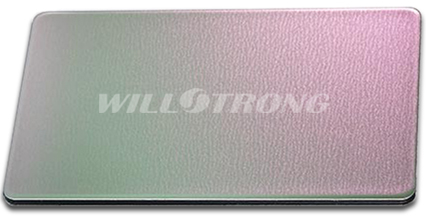
WILLSTRONG offers a wide range of cladding products for modern rainscreen projects. The product lineup includes MHP, MCP, ArtAlu, and CCAlu panels. These cover aluminum composite panels, fire-resistant composites, and aluminum honeycomb systems. Architects can pick from eight finish categories: solid, metal, brush, wood, stone, gloss, grit, and mirror. Other finish treatments include PE coating, PVDF coating, and printing.
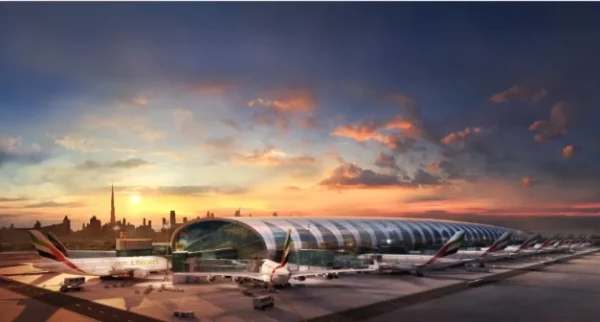
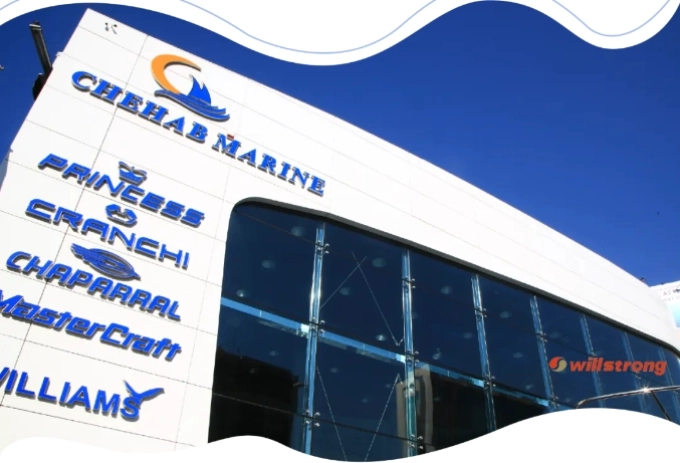
The company is one of China's TOP 100 facade solutions companies. Started in 1995, WILLSTRONG has built a name for practical engineering. The product range works for large commercial, airport, and medical projects. Each unit helps the overall performance of a ventilated rainscreen envelope. The aluminum honeycomb core gives structural strength while keeping weight low.
Water management is still a key job. The system design helps with proper drainage and air flow behind the cladding. This method controls moisture inside the wall assembly.
WILLSTRONG holds more than 30 certifications around the world. These include CE certification, TÜV SÜD PSB Certificate, and several fire certifications like BS476-PART 6, BS476-PART 7, and Russian Fire Certification. Green building credentials include Green Building Materials Certification and Green Building Selection Product Certificates. Over 10 technology patents support the product engineering.
Global reach covers more than 80 countries and regions. The company has finished over 100,000 successful cases. Notable projects include Charles de Gaulle International Airport, the Poland Kielce Gale project, Brown University, and a German Villa project.
Sustainability is a key difference. A 250 m² area of WILLSTRONG Nano panels cleans air equal to 20 trees. This green feature meets growing demand for greener materials. The use of water-based coatings also cuts environmental impact.
The service model follows a three-step process. Clients share their needs, get a solution and quote within 24 hours, and approve for mass production. This simple approach meets tight project schedules.
WILLSTRONG offers a practical choice among leading manufacturers for complex rainscreen projects. The mix of product variety and global credentials supports demanding applications.
Rainscreen performance depends on more than the visible panel. Support brackets, drainage paths, ventilation, and compatible components all contribute to the complete assembly.
A rainscreen works only as well as the frame that holds it. SFS makes the NVELOPE product line, a group of bracketed systems that keep cladding away from the wall. These brackets form the drained and back-ventilated cavity that lets air move behind the panels. This airflow takes away moisture that gets in through joints or condensation. The system also sends water down and out through weep points at the base.
NVELOPE brackets come in fixed and adjustable types. Adjustable brackets help installers fix wall unevenness on site. This flexibility matters for retrofit projects where the substrate is not perfectly flat. The brackets also control thermal bridging when paired with thermal breaks. A drained and back-ventilated cavity depends on these parts working together. SFS designs the full assembly, not just single parts.
Fairview Architectural takes a different path in the facade market. The company is the only metal panel maker that offers both sheet materials and extrusions from one source. This dual ability ensures component compatibility and supports custom rainscreen designs. The Arrowhead family gives a wide range of aesthetic choices. Three installation systems serve different project needs:
Arrowhead Flex cuts labor costs through non-sequential installation.
Arrowhead Lean makes fabrication simpler for faster turnaround.
Arrowhead Flush gives a clean look with shallow reveals.
Rieder North America focuses on fiber cement and concrete skin panels. These panels are lightweight compared to traditional concrete. The material supports green building goals and fits modern cladding uses. The panels resist moisture and keep their look over time.
Other manufacturers serve specific niches. American Metalcraft, Boral Drain-N-Dry, Pohl Facades USA, Dri Design, and ASI each offer products for particular project conditions. These names give specifiers more options when standard systems do not fit.
Material type, project scale, climate, fire requirements, maintenance expectations, and system design all influence the final manufacturer selection.
The material you pick drives how well a rainscreen works. Each substrate brings its own structural and thermal properties.
| Material | Manufacturers | Best Use Cases |
|---|---|---|
| HPL | Trespa, Fundermax | Landmark and cultural projects |
| Fiber cement | James Hardie, Rieder | Residential rainscreen applications |
| Metal | CENTRIA, Fairview | High-rise commercial rainscreen |
| Aluminum composite/honeycomb | WILLSTRONG | Large-scale commercial and airport projects |
| Support systems | SFS | All drained and back-ventilated assemblies |
High-rise commercial projects do well with metal and aluminum composite systems. CENTRIA and WILLSTRONG make engineered solutions for these tough applications. Residential rainscreen projects like fiber cement because it resists fire and adapts to regional climates. Landmark and cultural buildings often choose HPL panels from Trespa or Rieder for their looks. Budget-conscious projects may find Fundermax and Fairview offer competitive cladding options without losing core performance.
Specifiers should check fire rating, weather resistance, warranty length, color and finish options, lead time, sustainability certifications, and total installed cost. These factors affect each other. A high fire rating may limit finish choices. A long warranty may extend lead times.
UV resistance changes by material. Trespa HPL uses a top melamine layer for UV protection, though edge sealing stops fading in high sun exposure. Fiber cement has built-in UV resistance without edge sealing. This difference affects long-term maintenance schedules.
Sustainability credentials affect manufacturer selection. Fundermax HPL panels are FSC certified with 65% natural fibers and carry EPD and HPD documentation. These credentials map to LEED credits for Building Product Disclosure and Optimization. Projects seeking green certification favor manufacturers with verified documentation.
Rainscreen performance depends on the full system, not just the panel. The water-resistive barrier, support brackets, and cladding work together. Pressure-equalized rainscreens need proper drainage and back-ventilation to manage moisture. Specifiers should ask for samples and talk to manufacturers directly. A drained and back-ventilated cavity protects the building envelope only when every component works as designed.
Trespa, Fundermax, James Hardie, CENTRIA, WILLSTRONG, SFS, Fairview, and Rieder each offer different strengths for modern rainscreen building. The best pick depends on project type, budget, climate, and design goals. No single manufacturer works for every building. Use fire rating, warranty length, finish options, and sustainability credentials as a checklist when judging a rainscreen system.
These factors directly affect long-term performance and moisture control. A well-designed cladding assembly protects the building envelope and manages water well. Modern rainscreen technology keeps moving toward lighter, greener, and more prefabricated solutions. This shift will shape future facade design and water management strategies.
Common questions about rainscreen systems, material selection, cladding performance, and evaluating manufacturers.
A rainscreen is an outer cladding layer set apart from the wall by a ventilated air cavity. This gap lets air move behind the panels. The design handles moisture that gets in through joints or condensation. Water drains down and leaves through weep points at the base.
Metal and aluminum composite panels fit high-rise commercial buildings. CENTRIA makes concealed fastener systems like Formawall and Intercept. WILLSTRONG offers aluminum composite and honeycomb panels for large-scale projects. Both give engineered assemblies that help with code compliance and warranty coverage.
James Hardie fiber cement resists fire, moisture, and pests. The material will not burn based on ASTM E136 testing. HPL panels from Trespa and Fundermax offer through-colored cores and UV stability. Fiber cement adjusts to regional climates through the Hardie Zone system.
Fire rating, weather resistance, warranty length, and finish options all matter. The water-resistive barrier, support brackets, and panels work together as a system. SFS NVELOPE brackets create the drained cavity that controls moisture. No single component manages water alone.
Ask for samples and talk to manufacturers directly. Check certifications like CE, TÜV SÜD PSB, and BS476. Review sustainability credentials such as FSC certification and EPD documentation. Confirm lead times and total installed cost before you pick a system.
The right rainscreen solution depends on how materials, support systems, water management, and project requirements work together.
Trespa, Fundermax, James Hardie, CENTRIA, WILLSTRONG, SFS, Fairview, and Rieder each offer different strengths for modern rainscreen building. The best pick depends on project type, budget, climate, and design goals.
No single manufacturer works for every building. Use fire rating, warranty length, finish options, and sustainability credentials as a checklist when judging a rainscreen system. These factors directly affect long-term performance and moisture control.
A well-designed cladding assembly protects the building envelope and manages water well. Modern rainscreen technology keeps moving toward lighter, greener, and more prefabricated solutions. This shift will shape future facade design and water management strategies.
 Leave a Message