

 Arabic
 Spain
Spain Germany
 France
 Japan
Japan Portuguese
 Russian
 Chinese
 Thailand
 Vietnam
 Indonesia
 India
IndiaNews
THE PIONEER IN FACADE SOLUTIONS


For a coastal home, you need exterior cladding manufacturers that design for humid, salty air. James Hardie and CertainTeed deliver fiber cement siding. LP SmartSide offers engineered wood. WILLSTRONG provides composite cladding panels. Accoya and Akuwoodpanel offer treated wood options for extreme exposure.

For a coastal home, you need exterior cladding manufacturers that design for humid, salty air. James Hardie and CertainTeed deliver fiber cement siding. LP SmartSide offers engineered wood. WILLSTRONG provides composite cladding panels. Accoya and Akuwoodpanel offer treated wood options for extreme exposure.
These exterior cladding manufacturers offer systems made for coastal conditions. Your most important rule: match the material to exposure levels, not curb appeal. A modern coastal look needs this practical base. This composite cladding choice affects how long your exterior lasts. The next sections cover specific materials, best installation tips, mistakes to avoid, and price comparisons for humid climates.
Match the material to exposure levels, not curb appeal.
Practical points for selecting and installing exterior cladding in humid, salty coastal environments.
Pick cladding materials made for coastal weather, like fiber cement, engineered wood, or composite panels.
Use stainless steel or hot-dip galvanized screws and nails to protect against rust from salt.
Put in a rain screen with the right air gaps to control moisture and stop mold.
Check the warranty for coastal areas and follow the care schedule to protect your investment.
Seal cut edges and check the sealant every year to make cladding last longer in humid, salty air.
Salt, moisture, wind-driven rain, and hurricanes create a continuous exposure cycle that changes how cladding systems must be designed.
Coastal homes deal with four nonstop problems: salt spray, wind-driven rain, high humidity, and hurricanes. Salt spray eats away metal fasteners and ruins paint. Wind-driven rain forces water into every crack. High humidity keeps moisture stuck inside walls. Hurricanes throw debris and create extreme wind pressure. These forces hit your exterior cladding from all sides.
In hot-humid climates, these problems never stop. Salt particles sit on surfaces until you wash them. Moisture stays in the air for months. This mix speeds up rot, mold, and rust. A cladding system that ignores these facts will break down early.
You can judge coastal readiness with four checks. First, look at salt-spray test ratings. A trusted exterior cladding manufacturer shares these results. Second, check moisture absorption rates. Lower numbers mean less swelling and warping. Third, confirm wind-load ratings. These ratings show how much pressure the cladding can take. Fourth, read the warranty for coastal zone coverage. Many standard warranties leave out salt-air exposure.
A coastal-ready brand also plans for moisture control. This means the system has drainage gaps and ventilation channels. Hurricane-resistant siding products often carry impact ratings from missile tests. Composite panels and metal systems may handle storms better than wood. Ask for third-party test data before you buy. The right brand proves its coastal performance with documents, not slogans.
A coastal-ready cladding system needs more than attractive finishes. Salt-spray results, moisture performance, wind-load ratings, impact testing, and warranty coverage all help establish whether a system is suitable for its actual exposure.
Fiber cement offers moisture, pest, and fire resistance, making it one of the established material choices for coastal homes.
Fiber cement siding is a good choice for coastal homes because it does not rot. It is made from cement, sand, and cellulose fibers. This mix resists moisture, pests, and fire. For humid and coastal climates, two exterior cladding makers stand out.
James Hardie tops the fiber cement group for coastal use. Their HZ5 line is meant for cold, wet climates. Ask your contractor about direct salt spray before you buy. The HZ10 line goes further. It works well in hot, humid coastal places. This product has a full 30-year warranty in harsh coastal zones. You must use certified contractors who follow the maker's rules. If you do not follow them, the warranty is void. The HZ10 line is allowed for coastal Washington, Oregon, and some California areas. There is no clear salt-spray warranty language, so check your zip code with the maker.
HZ5: made for cold, wet climates; ask about direct salt spray
HZ10: approved for hot, humid coastal zones; full 30-year warranty with certified install
The backing warranty lasts 30 years and is not prorated. ColorPlus finishes have a separate 15-year warranty. That split matters. The backing may last 30 years, but the finish may need care sooner.
CertainTeed is a strong second choice. Their fiber cement products offer similar moisture resistance. Both brands resist swelling, cracking, and termite damage. CertainTeed often costs less upfront. Check local stock, as supply varies by region.
How you install decides if your cladding survives salt air. Fastener choice is key. James Hardie asks for corrosion-resistant, coated fasteners. Ceramic-coated screws work well near the coast and in high humidity. Stainless steel fasteners are best for coastal areas. Hot-dip galvanized nails offer fair to good corrosion resistance. They are not good for salt air and are better for inland sites. Epoxy-coated fasteners are not advised for salt air.
| Fastener Type | Corrosion Resistance | Coastal Use |
|---|---|---|
| Ceramic-coated screws | High | Recommended |
| Stainless steel | Very High | Ideal |
| Hot-dip galvanized nails | Moderate-High | Inland only |
| Epoxy-coated fasteners | Moderate | Not recommended |
Keep clearance from the ground. Fiber cement needs a gap above soil and mulch. This gap stops water from wicking up and helps manage moisture. Seal every cut edge with paint or sealant. Unsealed edges soak up water and swell. Add a ventilated space behind the wall to let air flow and water drain. These steps protect your outside walls and help your coastal home last longer.
Engineered and treated wood can preserve a natural appearance while addressing some of the moisture and stability challenges of coastal environments.
Wood siding looks natural in a way fiber cement cannot. Today's engineered and treated wood products work well in humid and coastal places. Two makers stand out for use near the coast.
LP SmartSide engineered wood lap siding works well in humid and hot-humid climates. It uses treated wood strands held together with resin and a zinc borate coating. This build resists moisture, termites, and fungus. The coating also guards against hail and wind damage. You get the look of wood without the rot of untreated lumber.
LP SmartSide works best when you manage moisture the right way. Put a rain screen behind the siding to make a drainage gap. That gap lets water drain out and air flow. Seal all cut edges with the maker's touch-up coating. Read the warranty details for your coastal area. Some coastal zones need extra protection.
Accoya wood siding works for coastal homes with very high salt and moisture. The maker uses a chemical process called acetylation to change the wood cells. This stops water from soaking into the wood. The wood stays stable and does not swell or shrink much. Accoya also keeps paint and stain better than most woods.
You still need to protect Accoya near salt water. Back-venting lets air flow behind the siding and stops trapped wetness. Seal the wood every few years to keep the outside finish good. This care keeps the wood strong and looking nice. Composite panels may need less upkeep, but Accoya gives real wood beauty.
Both LP SmartSide and Accoya need good back-venting and regular sealing near salt water. These steps guard your money and make your outside walls last longer.
Composite systems provide another route for coastal projects, combining resistance to rot, pests, salt, and moisture with lower maintenance requirements.
Composite systems give you a third choice. They fight rot, pests, and salt damage without the work that wood needs. For a coastal home, two product families are worth a close look.
Akuwoodpanel's Exterior Wall Panel Stone Gray is a great pick for full sun-and-salt exposure. The panel uses a mineral-based core with a UV-stable surface. That surface keeps its color under strong sunlight. Salt spray does not stain it like it stains raw wood or bare metal. The Stone Gray finish hides dust and salt film between washings. You put these composite panels over a ventilated sub-frame. Air moves behind each panel and takes moisture away. This design keeps the wall dry in humid air. The panels also stand up to impact from wind-blown debris. For a coastal home that gets afternoon sun and ocean breeze, this composite option balances looks and strength.
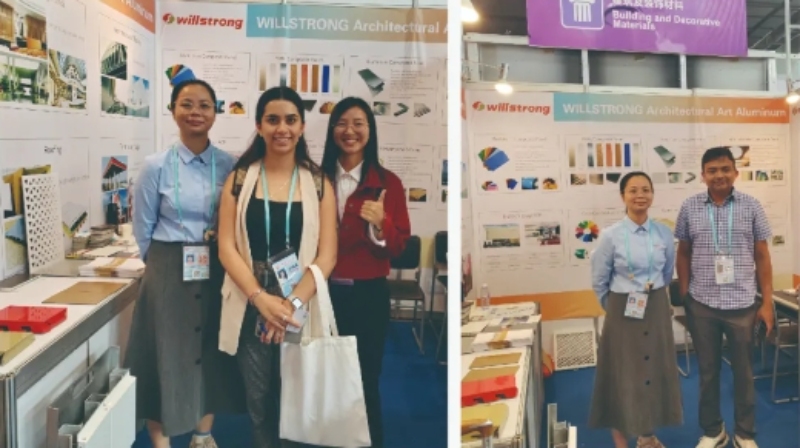
WILLSTRONG tackles the same problem from a systems view. Started in 1995, the company is one of China's top 100 facade solutions firms. Its lineup includes aluminum composite panels (ACP), fire-resistant composites, and aluminum honeycomb systems. The real value is in integration. WILLSTRONG puts a stone veneer face, an aluminum honeycomb core, and an aluminum sub-frame into one prefabricated unit. Factory assembly takes the guesswork out of the job site. Tolerances stay tight, and the drainage plane stays unbroken.
The company backs this work with more than 30 certifications, over 10 technology patents, and projects in more than 80 countries. Famous installations include Charles de Gaulle International Airport, Baiyun Airport, and the LV flagship store in Hangzhou. Those projects need the same traits a coastal build needs: wind resistance, moisture control, and stable finishes. You can review the ACP product range and project case studies for technical data.
Finish options cover solid, metal, brush, wood, stone, gloss, grit, and mirror. Each finish uses a factory-applied coating, so the exterior color resists fading and salt damage. The nano purification line adds air-cleaning power equal to 20 trees. For humid coastal sites, the aluminum core will not soak up water or grow mold. The metal skin will not rot or host termites. These composite panels work for high-rise facades and single-family homes alike.
Both Akuwoodpanel and WILLSTRONG show why composite cladding panels now compete with fiber cement and wood. They cut maintenance, resist salt, and hold their finish. Pair either system with a proper rain screen, and your exterior will handle coastal weather for many years.
Moisture control is the foundation of long-term cladding performance in humid and coastal weather.
Moisture control decides whether your cladding lasts ten years or thirty years in humid, coastal weather. You need a plan for water before it sneaks inside. A good setup has a rain screen, correct flashing, and fasteners that fight rust.
An air space behind your cladding lets water drain out by gravity. This gap is usually 3/16 to 3/4 inch wide. The space lets the cladding back and the water barrier dry out over time. For somewhat exposed coastal spots, the smallest air gap is 25 mm. Very exposed spots in BS 8104 Categories 3–4 need 38–50 mm.
Flashing around openings takes careful work. Put flashing with the right overlap around windows and doors. Pan flashing at sills must connect with jamb flashing and overlap the wall barrier below. IRC Section R703.8 requires flashing at all outside openings. Use stainless steel or hot-dip galvanized fasteners to stand up to salty moisture.
Air that keeps moving behind your cladding stops trapped moisture and mold. Perforated flashings and bug screens keep the air space working for the life of the building. Pressure-equalized rainscreen systems work best for high-wind coastal areas. These systems use compartments to balance pressure fast and cut down water entry.
Your outside assembly needs several layers of defense. The water barrier on your substrate acts as the second line against water getting in. Outside insulation stops thermal bridging and deals with moisture without losing its R-value. Venting profiles push moisture away from wall surfaces. This layered way of controlling moisture protects your investment in humid and hot-humid climates.
| Exposure Condition | Minimum Air Gap |
|---|---|
| Moderately exposed coastal sites | 25 mm |
| Severely exposed coastal sites (BS 8104 Categories 3–4) | 38–50 mm |
Coastal storm performance depends on wind-load ratings, impact resistance, fastening, drainage, and flashing working together.
Wind-load ratings show how much pressure a wall can handle before it breaks. In a high velocity hurricane zone, labs test products using three Miami-Dade rules. TAS 202 pushes steady positive and negative pressure on the product to check its structure. TAS 203 adds thousands of switching pressure cycles and wind-driven rain to find weak spots and seal failures. TAS 201 covers large missile impact for windows, doors, shutters, and skylights. Ask your supplier for these reports before you buy hurricane-resistant siding.
Impact tests show what happens when debris hits your exterior. ASTM E1886 and ASTM E1996 control this work, and the code language is strict:
The following buildings shall be protected with an impact-resistant covering or glazing in accordance with the Missile Levels and Wind Zones specified in ASTM E 1886 and ASTM E 1996 or other approved test methods and performance criteria.
The test fires two missile types: a large missile (2×4 timber) for structural elements and a small missile (steel shot) for roof gravel. Labs test three specimens, each hit at three locations. A product passes when no tear goes past 5 inches and no opening lets a 3-inch sphere through. The assembly then faces 9,000 pressure cycles, which can take seven to eight hours.
Fiber cement and engineered wood handle wind pressure well, but both can crack under large missile impact. Composite cladding panels and metal ACP systems take impact better and block water intrusion after a hit. For any storm-prone coastal site, installation quality often counts more than the material's lab rating. A perfect panel on a weak frame still fails. Proper fastening, drainage, and flashing decide real performance in a hurricane.
Small installation mistakes can create larger moisture, corrosion, and warranty problems over time.
The fasteners you pick decide if your cladding can handle salty air. Inspectors often see the same problems: nails in the wrong spot, hammered in at an angle, sunk too deep, or not enough of them. Boards put up while still wet shrink later and leave gaps. Then wind-driven rain pushes water right into the wall.
Match the metal to the exposure. Stainless steel 316 fights chloride pitting best, so it works well within a few hundred meters of the shore. Hot-dip galvanized fasteners with a thick zinc coat are a cheaper option that still works for many coastal builds. Never mix stainless screws with galvanized steel, because the two metals react and make corrosion worse.
Clearance mistakes cause just as much harm. Siding placed too close to the ground, trim, or roof pulls water upward. Leave a gap at every flat surface. Add kick-out flashing where the roof meets a wall, and head flashing above windows and doors. These details push water away from the wall instead of letting it in.
| Fastener Type | Corrosion Resistance | Coastal Suitability |
|---|---|---|
| A4 / 316 Stainless Steel | Resists chloride pitting | Preferred near shoreline |
| Duplex Stainless Steel | Higher than 316 | Very severe conditions |
| Hot-Dip Galvanized | Thick zinc coating | Cost-effective for many sites |
| Bimetal Screws | Stainless head, carbon tip | Roofing and cladding |
Cut edges left unsealed soak up water and swell. Butt joints left uncaulked let wind-driven rain slip through. Paint that blisters and fungus that grows often mean the house wrap is trapping water. In hot-humid climates, these small flaws turn into mold and rot in just a few seasons.
Sealant care matters more near the ocean. Pick a breathable penetrating impregnator made for exterior marine exposure. Film-forming sealers trap chloride and moisture, which leads to spalling. Skip color enhancers on the coast, since they break down unevenly.
Test instead of guessing. Sprinkle water on the most exposed area. If it beads up, the sealer still works. If it darkens right away, it is time to clean and reapply. Coastal exposure shortens sealer life compared with inland numbers, so let the most exposed side set your schedule. Check every year and touch up any peeling or whitening right away. Bad fastening, missing drainage gaps, and skipped sealant checks can void your warranty and turn a thirty-year cladding job into a ten-year one.
Initial cost is only one part of the decision. Service life, maintenance, corrosion resistance, installation, and warranty conditions all affect lifecycle value.
Fiber cement siding from James Hardie or CertainTeed costs more at the start than basic options. You save money over time through a longer lifespan. A well-installed fiber cement exterior lasts 30–50 years in humid coastal conditions. Engineered wood like LP SmartSide costs less upfront. It lasts 20–30 years with proper sealing and back-venting. Composite panels and ACP systems fall in the middle on price. Their strength against salt and moisture often pushes service life past 30 years. They do this without the maintenance schedule wood needs. Aluminum composite systems from WILLSTRONG add factory assembly. This removes installation variables that shorten lifespan on site. The factory process makes sure water drains properly behind each panel. Long-term performance comes from the material and how you install it. For a coastal home, the cheapest cladding costs the most over time. You must add in repainting, fastener replacement, and repair cycles. A system that fights corrosion from day one changes the lifecycle value equation.
Standard warranties often fail near salt water. Many manufacturers define "marine environment" by a set distance from tidal water. This threshold varies. One brand sets it at 1,000 feet. Another uses one mile. Two houses on the same block may have different coverage. The definition sits in the warranty's definitions section, not in the exclusion clause itself. You must read the whole document, not just the highlights.
Other exclusions need careful reading. Industrial fallout and chemical exposure clauses group natural marine chlorides with industrial chemicals. You want a warranty that separates salt air from chemical exposure. Maintenance non-compliance is another trap. Many coastal warranties require regular washing schedules. Fail to document that care, and your claim gets denied. Substrate modification exclusions cut coverage if you field-cut or drill without following manufacturer rules. Acts of God and storm surge exclusions leave hurricane damage uncovered. Coating degradation from chronic salt air exposure should have its own clause for any composite cladding system in a humid zone. Do not confuse code compliance with warranty coverage. IBC Chapter 16 governs structural performance. It does not promise your coating lasts.
Some warranties include coastal exclusions. Confirm terms before installation and keep maintenance records to support any future claims.
These details determine real warranty protection for your exterior. Ask for the coastal-specific document. Read the definition section carefully. The right composite material choice starts with the paperwork, not the product brochure.
James Hardie and CertainTeed fiber cement work well in humid, salty air. LP SmartSide and Accoya wood fit coastal sites if you seal them often. Akuwoodpanel and WILLSTRONG composite panels and ACP systems stand up to sun, salt, and storms with less work.
Before you buy, go through a short checklist. Check your exposure level. Match the material to it. Make sure your installer knows coastal work. Read the warranty terms. Make a maintenance plan. Then ask each manufacturer for coastal product data and warranty papers. That paperwork keeps your exterior safe for many years.
Practical answers to common questions about cladding materials, fasteners, warranties, rainscreens, and maintenance near the coast.
Fiber cement and composite panels do better than raw wood against salt spray. James Hardie HZ10 has a 30-year warranty for coastal areas. WILLSTRONG aluminum composite panels fight moisture and mold. Accoya wood needs sealing often near the ocean. Choose your material based on how much salt it will face.
Stainless steel 316 fasteners resist chloride pitting best near the shore. Hot-dip galvanized fasteners cost less and work for many coastal builds. Never mix stainless screws with galvanized steel. The two metals touch and cause faster rust.
Many normal warranties do not cover coastal areas. Some brands set coastal zones by distance from the water. Read the definitions part closely. Ask for a warranty paper made for coastal use. Write down your upkeep to help with future claims.
Coastal sites with some exposure need at least 25 mm of air space. Very exposed sites in BS 8104 groups 3–4 need 38–50 mm. This gap lets water drain and your outer wall dry. Holes in the flashings keep air moving behind the siding.
Check your sealant each year on the side that gets the most exposure. Sprinkle water on the surface. If water beads up, the sealer is still good. If the surface gets wet right away, clean it and apply new sealer. Coastal exposure makes sealer wear out faster than inland.
Coastal cladding performance depends on the complete exterior assembly, from material selection through installation and maintenance.
Pick the right material for your area. James Hardie and CertainTeed fiber cement work well in humid, salty air. LP SmartSide and Accoya wood fit coastal sites if you seal them often. Akuwoodpanel and WILLSTRONG composite panels and ACP systems stand up to sun, salt, and storms with less work.
Before you buy, go through a short checklist. Check your exposure level. Match the material to it. Make sure your installer knows coastal work. Read the warranty terms. Make a maintenance plan. Then ask each manufacturer for coastal product data and warranty papers. That paperwork keeps your exterior safe for many years.
 Leave a Message