 Arabic
 Spain
 Germany
 France
 Japan
 Portuguese
 Russian
 Chinese
 Thailand
 Vietnam
 Indonesia
 India
News
The pioneer in facade solutions


Coastal environments damage building exteriors faster than inland climates. Delamination and joint leakage happen within 12 to 18 months under strong UV and salty air. These problems come from the panel system itself. The answer depends on three engineering factors: core makeup, coating chemicals, and aluminum skin thickness. The best ACP panel manufacturers control all three every time.
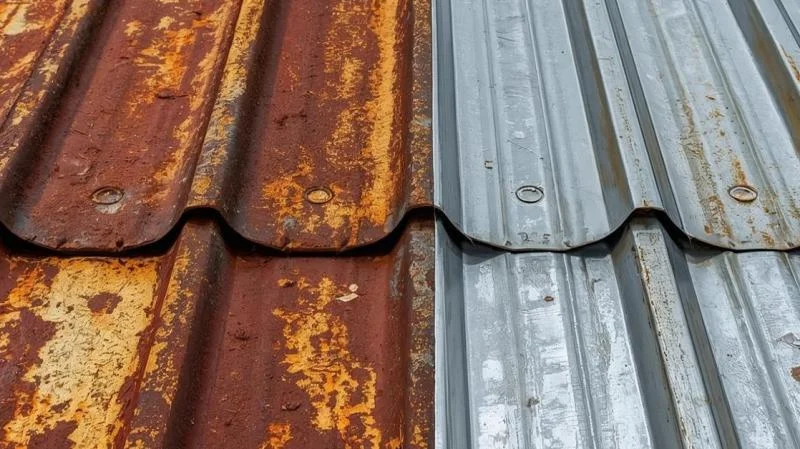
Coastal environments damage building exteriors faster than inland climates. Delamination and joint leakage happen within 12 to 18 months under strong UV and salty air. These problems come from the panel system itself. The answer depends on three engineering factors: core makeup, coating chemicals, and aluminum skin thickness. The best ACP panel manufacturers control all three every time. This post gives you a way to rate any manufacturer. You check core, coating, and certifications, not just the brand name. Good facade engineering hides failures in the long term.
The core, coating, skin thickness, testing, installation, and maintenance all influence how aluminum composite panels perform in coastal environments.
Pick panels that have a mineral core , a 0.5mm aluminum skin, and a PVDF coating certified to AAMA 2605.
Check what the manufacturer says with salt spray, adhesion, and fire test reports such as EN 13501-1.
Put in panels that have drainage cavities and sealed cut edges. Use stainless steel fixings too, so moisture cannot get in.
Wash the panels every 3 months in areas with salt spray. Check the sealant joints once a year.
Salt, moisture, UV exposure, and the limits of inland ratings create different failure conditions for exterior aluminum composite panels.
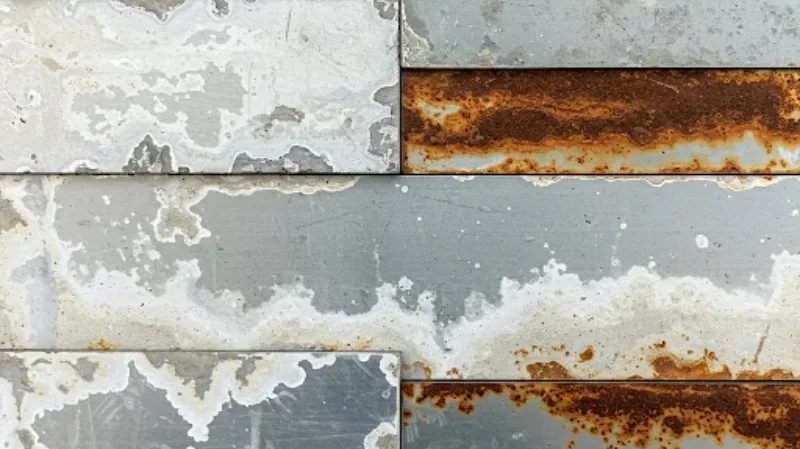
Salt spray harms your aluminum composite panels at every cut edge and fixing point. This process is called electrochemical corrosion, and it speeds up when moisture and salt are both present. Chloride ions from sea air break down the protective oxide layer on aluminum. Crevice corrosion then grows in gaps behind panels where salty water collects and sits still. A humid environment all year makes each of these problems worse.
UV radiation ruins coatings from the outside in. After 100 days of UV aging, yellowing goes up in a way you can measure, from +2.40 to +1.13 based on aluminum content. Tensile strength loss falls from 22.7% to 9.0% as aluminum content goes up. The resin matrix goes through chain scission when UV photons break polymer backbone bonds. Pigment photo-oxidation comes next once the protective resin breaks down. Surface chalking shows up as unbonded inorganic fillers shed and form a powdery layer.
Most inland test standards do not copy continuous coastal salt spray. They also leave out high humidity all year. A panel that passes inland weathering tests may still fail in coastal regions within a few years. The highest ISO 12944 classification for marine atmospheres requires performance that inland ratings never measure.
Most inland test standards do not copy continuous coastal salt spray. They also leave out high humidity all year. A panel that passes inland weathering tests may still fail in coastal regions within a few years. The highest ISO 12944 classification for marine atmospheres requires performance that inland ratings never measure.
Color stability tells a similar story. White panels with PVDF coatings show very little fading for decades because titanium dioxide pigment resists UV. Dark colors may get a slight whitish haze after many years. Bright reds, oranges, and yellows fade a lot within 5 to 10 years, reaching ΔE values above 3.0 in sunny tropical climates. The ΔE scale goes from below 1.0 (you cannot see it) to above 3.0 (you can clearly see it). Premium products accept ΔE below 2.0 after 10 years. Architects see stone. Engineers see systems. That change in thinking separates durable coastal buildings from those that fail early.
Coastal-grade ACP performance starts with the right core, aluminum skin thickness, coating system, and verified fire rating.
The core controls moisture behavior and contributes to the durability of the composite system in marine conditions.
Skin thickness influences rigidity, wind load resistance, and protection at exposed edges and fixing points.
PVDF coating and verified fire certifications provide additional performance information for exterior facade applications.
Your aluminum composite panels need the right core material and skin thickness for coastal areas. The core decides how much moisture it wicks. A low-grade mineral-filled core soaks up over 3% water by weight when water sits in clogged rainscreen drainage tracks. Capillary wicking along internal fiber channels pulls wetness inward. This causes the layers to separate over time.
High-performance composite cores use waterproof bonding agents. Organosilane primers and silane-treated ATH mineral particles stop water molecules from sticking to inorganic particles. Zero delamination happens in marine settings when you use cassette folded edges with ventilated cavity drainage. These acp sheets stay strong where standard cores fail. The panel system's durability depends on this core design.
The aluminum skin thickness also matters a lot. The best metal for marine buildings is 5005 Series magnesium alloy. This metal has higher strength and works better in harsh conditions. Skin thickness usually ranges from 0.12 mm to 0.50 mm. For maximum rigidity and wind load resistance in coastal settings, use 0.50 mm. Commercial jobs use 0.2 mm to 0.5 mm thickness. Special structural needs go up to 0.7 mm. Pair a thicker skin with a top coating. This stops early damage at cut edges and fixing points.
For exterior cladding where fire safety matters, choose fire-retardant or mineral wool cores. These replace standard polyethylene cores used indoors. The mix of proper core material and enough skin thickness gives you the base for long-lasting durability. Weather resistance starts with this structural foundation.
The coating system on your aluminum composite panel decides how it resists UV, salt spray, and chemicals. PVDF coating is the marine-grade standard. PVDF resin forms a tough barrier against environmental attack. This coating resists chalking and fading even under strong tropical sun. UV resistance goes up with the fluorocarbon content in the resin. PVDF coating also resists chemical attack from salty air.
The coating must meet AAMA 2605 performance standards. AAMA 2605-compliant PVDF coatings go through tough tests for color retention, chalk resistance, and adhesion. Salt spray tests check how well the coating bonds to the aluminum. Salt spray resistance directly links to coating adhesion quality. Without proper surface treatment and passivation before coating, even the best PVDF coating will fail at cut edges.
Fire rating is your second key specification for these acp sheets. Look for certifications that prove the panel meets international safety requirements for high-rise façades. Check the fire test report, core composition, and tested panel thickness rather than relying on general fire-resistant claims. Standards such as EN 13501-1 can provide useful evidence when comparing different panel systems.
PVDF-coated ACP with proper certification delivers the durability you need. Your specification should demand this level of proof. PVDF-coated acp sheets with AAMA 2605 compliance perform steadily in salt spray and UV resistance tests. For projects needing PVDF aluminum composite panels, choose suppliers who show all three things: core chemistry, coating certification, and fire test results.
Comparing suppliers requires the same engineering points across core makeup, coating chemistry, skin thickness, fire rating, warranty, and project references.
Comparing suppliers needs a steady method. You check each option using the same engineering points: core makeup, coating chemistry, skin thickness, fire rating, warranty length, and real project references. The best acp panel manufacturers show control over every point. They give you test data, not sales talk. Here is how the top choices stack up against these rules.
Well-known manufacturers offer panel lines with PVDF coating that meets AAMA 2605 standards. Their warranties can be substantial for coastal buildings in areas with moderate salt. They list high-rise projects in their work history. You check these references against your distance from the shore and the usual wind direction.
Some manufacturers produce aluminum composite panels with strong corrosion protection for places with heavy salt.
Some manufacturers sit in the middle tier. You must check local distributor support. A good manufacturer gives fast technical help. Without local support, warranty claims are hard to process. The weather resistance of these aluminum composite panels fits sheltered uses. These PVDF-coated acp panels give enough protection for areas without direct salt fog.
Other manufacturers aim their panels at balanced performance between fire safety and cost. Their mineral-core options reach non-combustible classification. Weather resistance comes from a coating system for humid places. They offer fair pricing for mid-rise commercial projects. Their acp sheets give enough durability for interior and sheltered exterior uses.
Some suppliers deliver mineral-core aluminum composite panels with PVDF coating. Their range covers both non-combustible and fire-retardant fire ratings. Certifications include recognized standards for fire safety. The thickness range fits most facade needs. Some projects serve as references for tropical climate performance. These PVDF-coated acp sheets go through salt spray testing. This data lets you compare durability directly against other choices. These PVDF aluminum composite panels give you a verified option for your shortlist.
Each manufacturer meets different needs. The best acp panel manufacturers give paperwork for every claimed spec. The weather resistance of the chosen system decides long-term facade performance. Always check PVDF-coated acp certification documents against the rules in this post. The performance of any aluminum composite panel depends on correct installation and upkeep. For coastal buildings, the PVDF coating spec decides long-term facade life. Ask for project references before you make a final pick.
Site exposure, building height, orientation, test documentation, and project references all affect the specification process.
You need a clear plan before you pick a supplier. Start with four site factors: distance from the shore, winning wind direction, yearly UV index, and building height. Each factor changes what you need. A building close to the ocean gets much more salt than one further inland. Onshore winds carry chloride ions right onto the facade. High UV index values speed up coating breakdown. These variables decide if standard acp sheets will last or fail early.
Ask your supplier for written test results, not just words. The salt spray test shows how long a coating fights chloride attack. Coating adhesion testing shows if the PVDF coating sticks tight to the aluminum skin. Electrochemical corrosion data tells you how the aluminum alloy acts under constant salt exposure. When picking a PVDF acp supplier , ask for these documents straight from the manufacturer. Distributors often lack the technical depth to answer detailed questions.
Building height and orientation change what you need to specify. Taller buildings face stronger wind loads and more UV on upper floors. South-facing and west-facing walls in tropical zones get the most intense sunlight. These surfaces need a PVDF coating with proven UV resistance and color retention. For taller coastal buildings, specify a thicker aluminum skin and a mineral core. This combo boosts weather resistance and structural rigidity.
Check certifications with the manufacturer before you commit. Ask for fire test reports and other relevant certifications. Request project references from similar coastal or tropical jobs.A supplier who documents core composition, coating chemistry, and fire test results gives you confidence. The durability of any PVDF-coated acp depends on these verified specs.
When you evaluate a PVDF acp supplier, look for transparency in test data. This approach separates qualified suppliers from those who rely on brand recognition alone.The PVDF coating for aluminum composite panels must match your site conditions. Your final choice should rest on engineering evidence, not marketing claims.
Moisture control, sealed edges, stainless steel fixings, regular cleaning, and sealant inspection all contribute to long-term panel care.
Water gets into every gap you leave behind a panel. Crevice corrosion starts in these still, wet pockets. You must plan drainage and airflow gaps so air moves behind each panel. This airflow dries the cavity after heavy rain. Use stainless steel or coated fixings at every connection point. Plain steel fixings rust fast in a humid environment and stain the facade.
Seal every cut edge before installation. Exposed aluminum at cut edges has no protective coating. Salt spray attacks these raw edges first. A good seal blocks salt from getting in and protects coating adhesion along the panel edge. Surface treatment before coating also matters here. Panels with weak pretreatment lose their bond at cut edges within a few years. Check that your supplier has documents for this step.
Rinse facades regularly in salt-spray zones. This simple step removes chloride deposits before they attack the surface. Clean panels every 6 to 12 months in normal conditions. Polluted areas need more frequent washing. Follow these steps for safe cleaning:
①Avoid harsh chemicals such as caustic soda, strong acids, and abrasive pads, as these can damage the paint and shorten panel lifespan.
②For stubborn spots, use a soft sponge or cloth with mild soap diluted in warm water.
③For tough stains, apply diluted isopropyl alcohol or a citrus-based cleaner, testing on a small area first.
④Rinse well with clean water and dry with a soft, non-abrasive cloth.
Check sealant joints regularly. Cracked sealant lets water into the cavity and starts the corrosion cycle again. A quality PVDF coating resists chalking and fading, but it still needs this care. The table below shows what a marine-grade coating delivers.
| Property | Typical Value |
|---|---|
| Coating Type | Fluoropolymer |
| Main Resin | Polyvinylidene Fluoride |
| Standard Resin Content | ≥70% PVDF |
| Typical Coating Thickness | 25–35 μm |
| Expected Exterior Service Life | 20+ Years |
| Common Standard | AAMA 2605 |
Self-cleaning and stain-resistant finishes reduce maintenance in tropical climates. They do not eliminate it. Rain alone cannot remove every salt deposit. Monsoon cycles and high humidity demand a fixed cleaning schedule. This routine protects the durability of your exterior aluminum composite panels . It also preserves UV resistance and weather resistance across the full service life of your acp sheets. Regular care keeps PVDF-coated acp looking new. It also extends the durability of every aluminum composite panel on the building.
These best acp panel manufacturers earned their spot through engineering data. Core makeup, coating chemistry, thickness, and certification matter more than brand name alone. Check local distributor availability. Ask for project references from similar tropical or marine jobs before you specify. Good facade engineering shows itself through what you do not see failing in the long term.
Common specification and maintenance questions for aluminum composite panels in coastal and tropical environments.
Ask the manufacturer for AAMA 2605 test reports. This standard checks color hold, chalk resistance, and how well the coating sticks after salt spray. A supplier who cannot give you these reports offers no proof. The pvdf coating must also pass an adhesion test. This test shows it bonds tightly to the aluminum skin.
The fire rating should be appropriate for the building height. Look for fire test certifications from recognized standards.
Rinse the panels frequently in salt-spray areas. Humid places without salt need cleaning every 6 to 12 months. Use mild soap and warm water. Do not use rough pads or strong acids. Check sealant joints regularly. Fix cracks before water gets into the cavity.
Standard polyethylene-core panels fail quickly in direct salt fog. You need a mineral core with waterproof bonding agents and a pvdf coating. Some manufacturers offer panels with fire ratings and certifications suitable for these projects.