 Arabic
 Spain
Spain Germany
 France
 Japan
Japan Portuguese
 Russian
 Chinese
 Thailand
 Vietnam
 Indonesia
 India
IndiaNews
The pioneer in facade solutions


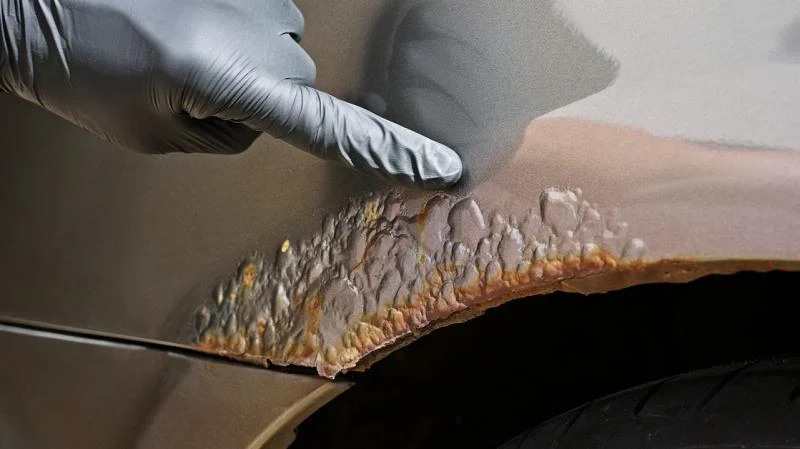
The aluminum is the same. The facade environment is the same. Yet two buildings can show very different levels of surface degradation after years of service. The difference is often not the aluminum itself. It is what happens at the surface.
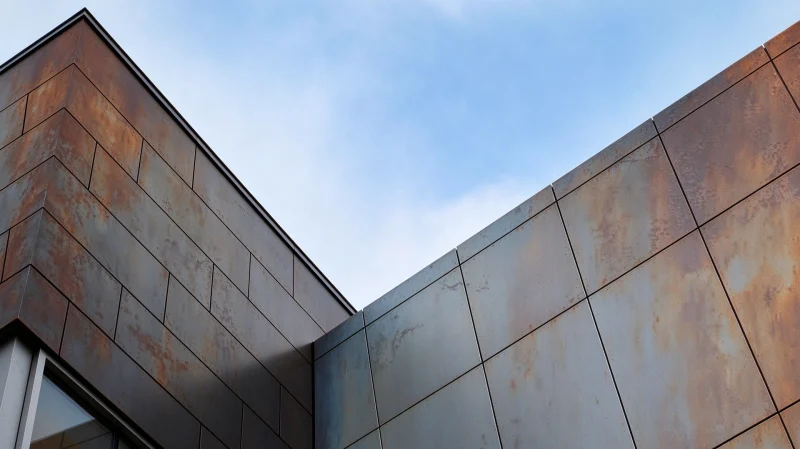
The aluminum is the same. The facade environment is the same. Yet two buildings can show very different levels of surface degradation after years of service.
The difference is often not the aluminum itself. It is what happens at the surface. For architectural facades, anodizing, powder coating and PVDF coating are often discussed as if they were interchangeable finish options. In practice, they protect the substrate through different mechanisms and respond differently to moisture, salt, chemicals, ultraviolet exposure, mechanical damage and maintenance conditions.
That leads to a more useful engineering question: The issue is not which surface treatment is the best. It is which surface-treatment system matches the way the facade will actually be exposed.
Architectural specifications often begin with appearance. But a facade surface does more than define visual appearance. It is the first barrier between the aluminum substrate and the surrounding environment.
Architectural specifications often begin with appearance.
Bronze.
Silver.
Black.
Metallic.
Matte.
Gloss.
But a facade surface does more than define visual appearance.
It is the first barrier between the aluminum substrate and the surrounding environment. Once the facade is exposed to moisture, airborne salts, pollutants or cleaning chemicals, the surface treatment becomes part of the corrosion-control system.
This is why two panels with similar visual finishes can behave differently over time.
A surface treatment can influence how moisture reaches the substrate, how the surface responds to chemicals, how damage develops, and how corrosion is contained when the protective layer is locally compromised.
The finish therefore needs to be selected as an engineering layer rather than as a color selection.
Anodizing is fundamentally different from a conventional paint coating because it forms a controlled oxide layer on the aluminum surface rather than depositing a separate organic coating.
Anodizing is fundamentally different from a conventional paint coating.
Instead of depositing a separate organic coating over the aluminum, anodizing uses an electrochemical process to form a controlled oxide layer on the aluminum surface.
That distinction matters.
The resulting oxide film becomes part of the aluminum surface itself. Its thickness, uniformity, sealing condition and substrate preparation influence the final performance.
For facade applications, oxide film thickness should therefore be treated as an engineering parameter rather than an incidental production detail. A thicker film is not automatically the answer to every environmental problem. The required specification depends on the intended application and exposure.
The surface also needs to be properly processed and sealed so that the anodized layer performs as intended.
This is one reason anodizing is often selected when the architectural concept calls for an exposed metallic appearance while maintaining a controlled oxide surface.
But anodizing also has practical limitations. Once the surface is damaged deeply, the original anodized layer cannot simply be repaired in the same way as repainting an organic coating. Fabrication, transportation and installation therefore become important parts of the specification.
Powder coating uses a separate protective film. Its performance depends on substrate preparation, pretreatment, film thickness, curing conditions, cleanliness and edge conditions.
Powder coating uses a different protection mechanism.
A powder material is applied to the prepared substrate and then cured to form a continuous coating film.
The engineering performance depends on more than the powder itself.
Surface preparation, pretreatment, film thickness, curing conditions, substrate cleanliness and edge conditions all influence the final coating system.
This is important because a coating can only perform properly when the interface beneath it is properly controlled.
For facade applications, powder coating can provide a broad range of colors and surface appearances while creating a physical barrier between the aluminum and the environment.
But the barrier is not invulnerable. Scratches, impact damage, cut edges, poor pretreatment or inadequate curing can create locations where the protective system becomes weaker.
That means quality control has to look beyond color consistency.
substrate → pretreatment → powder application → curing → inspection → fabrication → installation.
Surface preparation, pretreatment, powder application and curing all influence the final coating system.
The coating is only one part of that chain.
For exposed architectural facades, PVDF coating needs to remain stable while facing weathering, ultraviolet radiation, moisture, airborne contaminants and periodic cleaning.
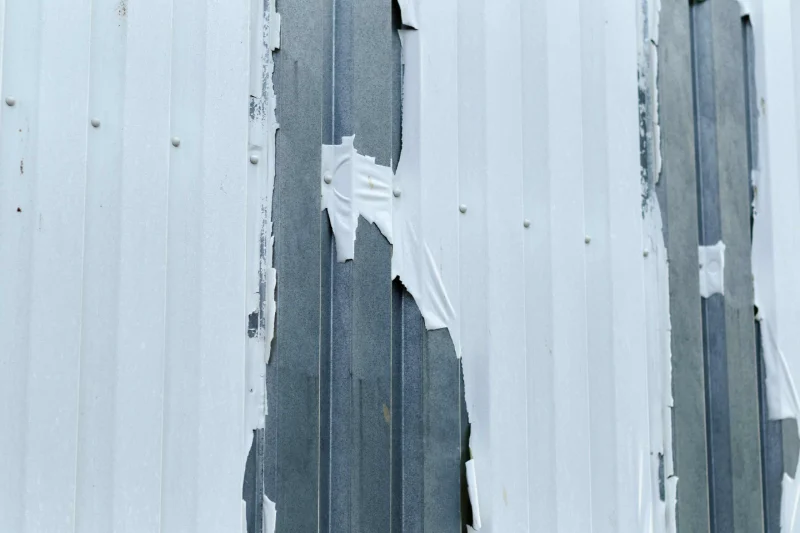 PVDF coating is another widely used approach for architectural aluminum
facade applications.
PVDF coating is another widely used approach for architectural aluminum
facade applications.
Its relevance is not simply that it provides a particular finish.
For exposed facades, the coating system needs to remain stable while facing weathering, ultraviolet radiation, moisture, airborne contaminants and periodic cleaning.
The engineering question is therefore how the coating system behaves throughout the expected service environment.
PVDF systems can be specified with controlled coating structures and film thicknesses according to project requirements. But, as with other coating systems, performance depends on substrate preparation, application control, curing and inspection.
This becomes especially important on large facade projects.
A panel may look uniform when viewed from several meters away, but coating performance is determined at the interface and across the entire surface.
The engineering objective is not simply to create a smooth appearance.
It is to maintain a stable protective layer under the actual environmental conditions.
Facade surfaces encounter more than rainwater. Cleaning agents, pollutants, construction residues and other chemicals can change the exposure conditions.
Facade surfaces do not encounter only rainwater.
Buildings may also be exposed to cleaning agents, industrial pollutants, alkaline construction residues, acidic contaminants or other chemicals.
The chemical environment can vary significantly between projects.
A transportation facility, industrial building, coastal development and office tower may all have different cleaning and contamination conditions.
This is where acid and alkali resistance becomes relevant.
A surface treatment should be evaluated according to the chemicals it is expected to encounter rather than assuming that every facade coating will behave the same way.
For example, a surface that performs well in normal atmospheric exposure may face a different challenge when repeatedly exposed to aggressive cleaning chemicals.
This is also why post-installation maintenance should be considered during material selection.
Surface treatment is only one part of facade corrosion control. Water management, fabrication, connections, material interfaces and installation still influence localized risk.
It is tempting to think that selecting a high-performance surface treatment solves the corrosion problem.
A well-protected aluminum panel can still experience localized problems if the facade design allows water to remain trapped.
A coating can still be damaged by a poorly designed connection.
An anodized surface can still be affected by incompatible adjacent materials.
A coated panel can still develop a vulnerable cut edge after fabrication.
The surface treatment protects the material.
The facade detail determines how much work that surface treatment has to do.
This is particularly important around:
The best surface-treatment specification cannot compensate for poor water management or uncontrolled fabrication.
Anodizing, powder coating and PVDF are different surface-treatment approaches with different structures, processes and maintenance considerations.
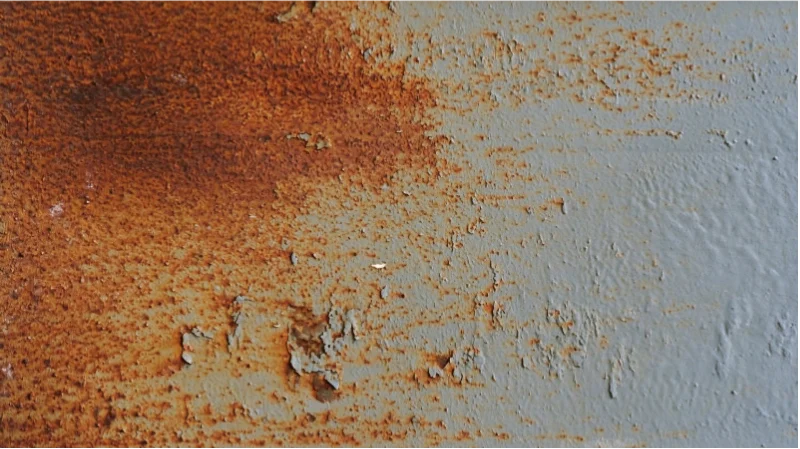
This leads to a useful distinction.
Anodizing, powder coating and PVDF are not simply three finishes competing for the same job.
They are different surface-treatment approaches with different structures, processes and maintenance considerations.
Anodizing creates a controlled oxide layer.
Powder coating creates a cured protective film.
PVDF creates a high-performance architectural coating system designed around controlled film construction and weather exposure.
The right choice depends on what the facade is expected to experience.
A coastal project may prioritize salt exposure and moisture.
An industrial project may need to consider chemical contaminants.
A high-traffic public building may face more mechanical contact and cleaning.
A landmark facade may place additional emphasis on long-term appearance and consistent surface behavior.
Not:
A practical selection process can begin with five questions that connect surface treatment with exposure, substrate, protection, chemical conditions and fabrication.
A practical selection process can begin with five questions.
Identify whether the facade will face marine salt, high humidity, industrial pollutants, frequent rainfall, condensation or other aggressive conditions.
The surface-treatment process needs to be compatible with the actual aluminum alloy, substrate condition and fabrication method.
Determine whether the project requires an anodized oxide layer, an organic coating system such as powder coating or PVDF, or another specified treatment.
Consider cleaning products, pollutants, construction residues and other potential sources of acidic or alkaline exposure.
A facade should not be considered one uniform surface. Different areas can experience different combinations of moisture, deposits, interfaces, fabrication conditions and maintenance contact.
Consider a large aluminum facade on a coastal building.
The main panel surface may receive the selected protective treatment and remain in relatively stable condition.
But the risk profile is not uniform across the entire facade.
The lower portion may receive more splash and contamination.
Horizontal projections may collect deposits.
Joints may retain moisture.
Cut edges may have a different exposure condition.
Fastener locations may introduce another material interface.
Maintenance teams may repeatedly contact certain areas during cleaning.
It is a collection of exposure zones. That observation can influence material selection, detailing, inspection and maintenance planning.
When comparing anodizing, powder coating and PVDF, the evaluation should go beyond color and initial appearance.
When comparing anodizing, powder coating and PVDF, the evaluation should go beyond color and initial appearance.
These questions produce a much more useful comparison than simply asking which finish is more durable.
It is the result of material + surface treatment + environment + detailing + fabrication + maintenance.
Surface treatment and environmental exposure form part of the overall design considerations for facade systems.
This engineering approach is relevant to WILLSTRONG® because its facade systems include aluminum composite panels, fire-resistant composites and aluminum honeycomb systems where surface treatment and environmental exposure form part of the overall design considerations.
For a project requiring corrosion resistance, the practical question is not simply which facade panel to select.
The surface-treatment specification needs to be connected with the substrate, fabrication process, environmental exposure and installation requirements.
Established in 1995, WILLSTRONG®has developed facade applications across more than 80 countries and regions, with company information stating more than 100,000 project applications. Its project portfolio includes international landmarks such as Charles de Gaulle International Airport.
For project teams, this type of experience is most useful when translated into project-specific decisions: define the exposure first, identify the required surface performance, and then establish the appropriate treatment and quality-control process.
That keeps the discussion where it belongs: on engineering requirements rather than finish names.
Surface treatment determines how aluminum interacts with moisture, salt, chemicals, sunlight, mechanical damage and maintenance throughout the building's service life.
Anodizing, powder coating and PVDF are often presented as finish choices.
For a facade engineer, they are more than that.
They determine how the aluminum surface interacts with moisture, salt, chemicals, sunlight, mechanical damage and maintenance throughout the building's service life.
It is the one designed for what the facade will face over time.
A facade may be made of aluminum.
But its long-term corrosion performance begins with the surface.