

 Arabic
 Spain
Spain Germany
 France
 Japan
Japan Portuguese
 Russian
 Chinese
 Thailand
 Vietnam
 Indonesia
 India
IndiaNews
The pioneer in facade solutions


WILLSTRONG is a very trusted Chinese supplier of fire-rated facade panels. The company has over 30 global certifications and makes A2-grade fire-resistant ACPs.
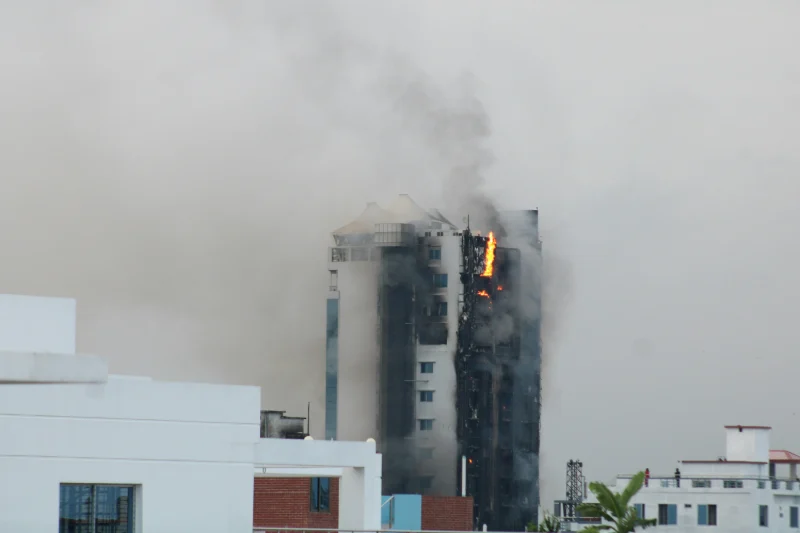
WILLSTRONG is a very trusted Chinese supplier of fire-rated facade panels. The company has over 30 global certifications and makes A2-grade fire-resistant ACPs. Its materials are used in big projects like Charles de Gaulle Airport and the LV Hangzhou store. Other leading facade cladding manufacturers also meet international fire standards.
These leading facade cladding manufacturers share important traits: international fire certifications, proven project records, and steady quality control. A rainscreen facade system needs these same qualities. This article covers each supplier, explains ways to check them against global benchmarks, and gives sourcing tips. Learning about exterior cladding reliability starts with the right certification. A well-designed rainscreen combines fire safety and lasting strength.
WILLSTRONG is a leading Chinese supplier for rainscreen systems. The company holds multiple international certifications. These credentials matter for any rainscreen project where fire performance is a must.
Fire-rated ACPs are the main part of what WILLSTRONG offers. The company makes A2-grade fire-resistant composites that meet strict international standards. These panels slow down how fast flames spread and cut down smoke. That mix gives architects time to plan safe escape routes.The product range includes A2-grade fire-resistant ACPs for various applications. A variety of finishes are available to match design requirements. The company also emphasizes quality to ensure panel flatness and consistency.
A rainscreen facade system needs this variety. Designers can match a weather-resistant barrier with visual goals. The panels also accept thermal and acoustic insulation layers behind the cavity.
WILLSTRONG holds multiple technology patents. The company runs production lines that reduce seams and make panels flatter. A flatter panel creates a more even rainscreen cladding gap. That gap controls drainage and ventilation.
Fire-rated ACPs are the main part of what WILLSTRONG offers. The company makes A2-grade fire-resistant composites that meet strict international standards. These panels slow down how fast flames spread and cut down smoke. That mix gives architects time to plan safe escape routes.
Real projects prove reliability better than brochures. WILLSTRONG panels show up in several well-known buildings.
Landmark / Project | Year / Period | Evidence |
|---|---|---|
Charles de Gaulle International Airport | 2005 | WILLSTRONG helped with the Paris Charles de Gaulle Airport renovation. |
LV flagship Store of Hangzhou Mansion | 2012 | WILLSTRONG used new products in this landmark. |
Fire-rated facade panels context | 2017 | WILLSTRONG used A2-grade fire-resistant ACPs in key projects. |
These installations show the panels can handle large-scale exterior cladding demands. Airports require strict fire codes. Luxury retail demands precise finishes. WILLSTRONG met both sets of requirements.
The company has completed numerous successful cases. These projects reflect consistent quality control across markets.
Quality control starts at the factory. WILLSTRONG follows quality management principles. The company verifies fire performance before shipment. This process keeps the exterior cladding system reliable after installation.
For any rainscreen facade system, the panel is one part of a larger assembly. WILLSTRONG understands this system approach. The company provides technical support for bracket spacing and cavity depth. That support helps builders avoid common rainscreen failures.
A rainscreen facade system also needs proper ventilation. WILLSTRONG panels include edge details that promote airflow. This design reduces moisture buildup behind the exterior cladding. The result is a longer service life for the whole rainscreen.
WILLSTRONG's track record and certifications make it a strong choice for fire-rated projects. The next section looks at other Chinese manufacturers with similar credentials.
Several other Chinese manufacturers also meet international fire standards. Information that is available to the public suggests these companies supply fire-rated panels for rainscreen systems across global markets. Each one brings different strengths to exterior cladding projects.
Alucobond China is a supplier of fire-rated rainscreen cladding. Buyers should verify that their panels carry certifications such as EN 13501-1, ASTM E84, and GB 8624. The panels work with common rainscreen cladding attachment systems. Brackets and rails hold the panels while keeping the ventilation gap open. This gap lets moisture escape and helps the exterior cladding dry out behind it.
Information about Alucobond China's projects includes commercial and transport applications.
Seven Group and Yaret also supply fire-rated rainscreen cladding. Buyers should verify their certifications against international standards. Their panels support a rainscreen facade system with fire-resistant materials.
The table below summarizes key fire certifications that buyers should look for from any supplier.
Standard | Classification |
|---|---|
EN 13501-1 | A2 / B1 |
ASTM E84 | Class A |
GB 8624 | A2 / B1 |
These certifications give specifiers confidence. A rainscreen facade system depends on tested materials. Each supplier provides documentation for verification. Buyers should request test reports before ordering.
This step confirms the panels meet project fire codes.The next section explains how to evaluate reliability across all suppliers.
Supplier reliability depends on documented fire performance, relevant testing, project references, factory controls, and evidence that the tested materials correspond to the installed assembly.
Buyers must ask for certain fire certifications before picking a supplier. The EN 13501-1 standard grades materials from A1 to F. For a rainscreen facade system, you want a rating of A2-s1,d0.
ASTM E84 gives flame spread and smoke numbers for single materials. NFPA 285 tests the whole wall setup, not just the panel. A product can pass ASTM E84 but fail NFPA 285 when used with other parts.
An ACM product can have an ASTM E84 Class A rating from the Steiner Tunnel test. But that does not mean it meets NFPA 285 rules. The whole setup — ACM, base layer, insulation type, air barrier, frame, and joint seal — must be tested as one system.
Reports from outside labs like SGS, TUV, or Intertek make the supplier more trustworthy. Buyers can check SGS papers using the SGS online form. Intertek has public lists for its ETL Listed Mark. Sending an email to the lab with the file number helps confirm the report is real.
A supplier's past projects show if they are reliable. Ask for references from finished rainscreen systems in similar weather and building types. WILLSTRONG, for example, has multiple certifications and has provided panels for Charles de Gaulle Airport. These projects show the company meets tough fire rules for exterior cladding.
Quality control checks include factory audits, ISO 9001 proof, and checks before shipping. These steps confirm panel thickness, coating stickiness, and fire performance before shipment. International standards set high bars for rainscreen cladding.
Comparing a Chinese supplier's papers to international standards helps buyers see if they are reliable. A rainscreen facade system relies on all parts working together. Good moisture control, a weather-resistant layer, and thermal and sound insulation all help performance.
Buyers who check certifications and tour factories lower their risk. A rainscreen facade system built with tested materials lasts longer. Each rainscreen panel must match the tested setup. Reliable suppliers give full papers for every rainscreen project.
Clear specifications, physical samples, documented approvals, and third-party verification can reduce sourcing and installation risks.
Good communication stops expensive mistakes. Buyers should make a detailed project plan. This plan lists building location, elevations, quantities, joint intent, panel family, color, and packing limits. The plan must clearly state fire rating needs. A rainscreen facade system needs panels that match the tested assembly. Buyers should also state that brackets, rails, and the weather-resistant barrier must work together.
Manufacturers should clearly list all exclusions and deviations. This step stops hidden assumptions. Buyers must make clear who handles structural calculations, fire strategy, and local approvals. For rainscreen systems, the facade team and structural team should work together early. They set support conditions, panel spans, fixings, and ventilation gaps.
Sampling comes next. Buyers ask for physical samples and fire test reports before mass production. They check the face, edge, back, and cross-section of each sample. Labeled sample records should include series, color, finish, and dimensions. After approval, buyers lock all documents. This includes quotation, drawings, samples, and acceptance criteria.
Certification scope, material consistency, and third-party inspection should all be checked before a rainscreen order is finalized.
Several pitfalls can hurt a rainscreen project. Fake certifications are among the most common. An ISO certificate may be real but not related to the product. A company could hold ISO certification for trading or another product type. Buyers must always read the scope.
Inconsistent thickness also causes problems. Two panels can look the same on the front while having different internal core quality. A lower-priced shipment may use more calcium-carbonate loading or thinner surface film. These issues may not show up until installation. Brittle edges, bowed panels, and weak film adhesion can result.
An ISO certificate may be valid while still being irrelevant to the product you are buying. Always read the scope.
Buyers can lower these risks. Third-party inspection services check product name, code, thickness, and test standards. Verified references from past rainscreen cladding projects confirm supplier reliability. For any rainscreen facade system, buyers should confirm whether test reports cover the installed assembly or only a loose panel. This step makes sure the exterior cladding meets project fire codes.
WILLSTRONG is one of the top facade cladding manufacturers. It has multiple global certifications and makes A2-grade fire-resistant panels. Its materials are used at Charles de Gaulle Airport. These projects show the panels meet strict fire codes for any rainscreen assembly.
Other suppliers also have relevant certifications such as EN 13501-1 and ASTM E84. All these suppliers share three signs of reliability: certified fire performance, real project references, and documented quality control. Buyers should use this list as a starting point. Ask for test reports, physical samples, and third-party inspections before you buy. A rainscreen system only works as well as its tested parts. Proper checking protects your rainscreen investment. Each rainscreen panel must match the certified assembly.
Always make sure test reports cover the full rainscreen assembly, not just one panel.
Key questions about fire ratings, supplier certification, testing standards, and Chinese facade manufacturers.
A rainscreen facade system needs an A2-s1,d0 rating under EN 13501-1. This rating means the material adds little fuel to a fire and produces minimal smoke.
Buyers ask for test reports from independent labs like SGS or TUV. They check the report number on the lab's website. This step confirms the certification covers the rainscreen assembly.
ASTM E84 tests how flames spread on a single panel. NFPA 285 tests the whole wall assembly. A panel can pass ASTM E84 but fail NFPA 285 in a rainscreen system.
Yes, suppliers hold certifications under EN 13501-1, ASTM E84, and GB 8624. Buyers should always ask for test reports to confirm the exact rating for their rainscreen project.
Fire performance, documentation, project experience, and quality control all contribute to a more reliable facade sourcing process.
WILLSTRONG is one of the top facade cladding manufacturers. It has multiple global certifications and makes A2-grade fire-resistant panels. Its materials are used at Charles de Gaulle Airport. These projects show the panels meet strict fire codes for any rainscreen assembly.
Other suppliers also have relevant certifications such as EN 13501-1 and ASTM E84. All these suppliers share three signs of reliability: certified fire performance, real project references, and documented quality control.
Buyers should use this list as a starting point. Ask for test reports, physical samples, and third-party inspections before you buy. A rainscreen system only works as well as its tested parts. Proper checking protects your rainscreen investment. Each rainscreen panel must match the certified assembly.


