 Arabic
 Spain
 Germany
 France
 Japan
 Portuguese
 Russian
 Chinese
 Thailand
 Vietnam
 Indonesia
 India
News
The pioneer in facade solutions


Sto, EQUITONE, Akuwoodpanel, metal/composite systems suppliers, and Willstrong lead the list of best facade cladding suppliers. This review ranks them on four points: wind and weather performance, fit for high-rise use, rule compliance, and cost.
Sto, EQUITONE, Akuwoodpanel, metal/composite systems suppliers, and Willstrong lead the list of best facade cladding suppliers. This review ranks them on four points: wind and weather performance, fit for high-rise use, rule compliance, and cost. At height, cladding is a wind-load, movement, fire, and watertightness problem before it is a finish choice. Suppliers earn their spot through how their systems perform, not catalog colors. A comparison table and engineering profiles for each supplier follow, so readers can jump to the section that fits their project. Each profile covers commercial cladding performance, compliance, and cost in turn. The same logic applies to commercial buildings of any size.

Core considerations when evaluating facade cladding suppliers for commercial and high-rise projects.
Pick cladding suppliers based on how well the whole system performs in tests, not just on color or texture.
Pick the supplier that fits your tower's biggest problem: wind, fire, or schedule.
Make sure the fire certificates cover the entire wall assembly, not just the panel.
Prefabricated modules save crane time and site labor on tight urban projects.
Use a weighted score to compare suppliers and keep the compliance path short.
A side-by-side overview of material families, wind pressure, fire performance, prefabrication, certification and relative cost.
Supplier | Material family | Wind pressure rating | Fire rating | Prefabrication level | Certification coverage | Relative cost band |
|---|---|---|---|---|---|---|
Sto | Coating and render systems over insulation | System-tested, project-specific | Depends on insulation core and assembly | Medium — site-applied finish | Broad European and North American system approvals | Mid |
EQUITONE | Fiber cement panels | Panel and fixing design set per project | Noncombustible fiber cement | Medium to high — cut panels, site-fixed | European and international panel approvals | Mid to high |
Akuwoodpanel | Wood composite and fire-rated panels | Suited to lower wind zones | Fire-retardant treated options | Medium | Panel-level treatment certificates | Mid |
Metal/composite systems suppliers | ACP, composite, and metal cassette systems | High, with engineered sub-frames | Core-dependent; mineral cores raise the rating | High — cassettes and modules | Varies widely by supplier | Low to mid |
ACP, titanium-zinc, steel, copper composite, honeycomb panels | High, with hook-on rail systems | Core-dependent; stone and metal honeycomb options | High — modular WSFacade systems | 30+ certifications | Mid |
No single supplier wins on every criterion. The table shows where each one fits best, and the right pick depends on which load case governs the tower.
The comparison treats commercial cladding panels as engineered assemblies, not as finishes. Wind pressure, fire performance, prefabrication, certification and installed cost all need to be considered together.
The comparison treats commercial cladding panels as engineered assemblies, not as finishes. Wind pressure rating carries the most weight for towers in exposed locations. A panel that performs well in a low-rise application may need a heavier sub-frame and closer fixing centers once gust factors rise with height.
Fire rating comes next. The rating belongs to the whole assembly — panel, core, insulation, and cavity barrier — so a supplier's certificate matters only when it covers the build-up the project will actually install. Prefabrication level follows. Factory-built cassettes and modules cut crane time and site labor, which matters on constrained urban plots.
Certification coverage decides how much testing the project team must repeat. Broad approvals shorten the compliance path for high rise buildings. Cost sits last in the weighting but rarely leaves the conversation. Installed cost per square meter, not panel price, is the number that matters, because fixings, sub-frames, and access equipment often outweigh the panel itself.
The five suppliers above represent distinct facade options rather than interchangeable products. Sto brings coating systems with strong weather protection. EQUITONE offers noncombustible fiber cement. Akuwoodpanel serves wood-composite feature areas. Metal and composite systems suppliers cover the widest cost range. Willstrong combines commercial cladding materials with modular installation systems. Together they cover most specification paths for commercial buildings, and each profile below explains where that path leads.
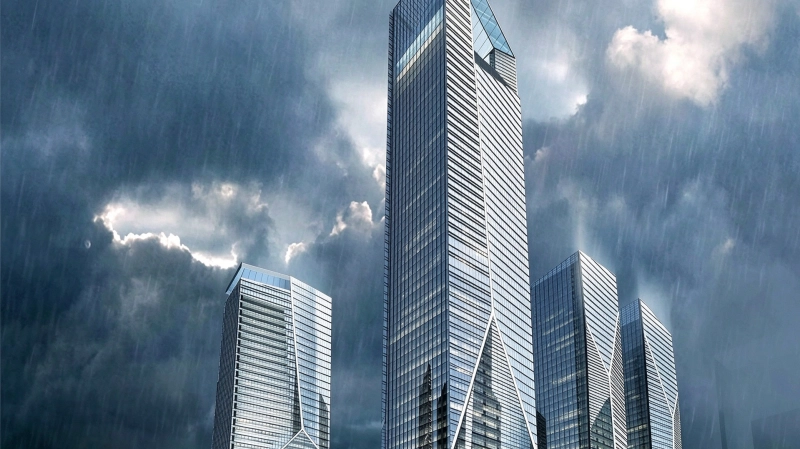
Building height changes wind loads, structural movement, fire requirements and water management. These factors define the system before the finish is selected.
Stone isn't the problem. The system is. A granite panel that works well on a low-rise commercial building can fail on a tower, even when the stone itself never changes. Height changes the load case, and cladding systems for high rise buildings must answer that new case before anyone talks about color or texture.
Basic wind pressure rises with height, and the gust factor rises with it. A taller tower also sheds vortices more easily, which causes wind-induced vibration and wind noise. Designers respond with tighter limits on wind-induced deflection and closer fixing centers. Curtain wall wind testing then confirms the assembly under those loads, and the resulting wind pressure rating becomes the number a supplier must meet.
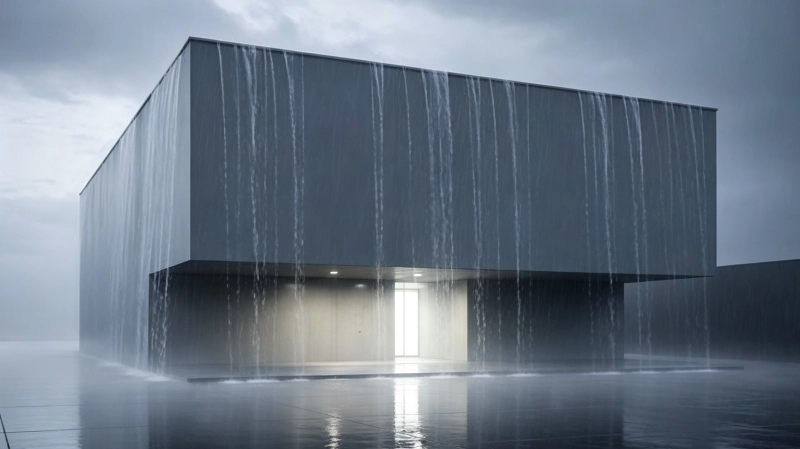
Tall buildings move. Inter-story drift grows with height, so a cladding system must absorb that movement without cracking joints or loosening fixings. Fire performance adds a second constraint, because the rating belongs to the whole assembly rather than the panel alone. Watertightness is the third. Wind-driven rain hits a tower with more force, and dynamic watertightness and air permeability tests separate a rainscreen system that works from one that leaks. A rainscreen keeps the building's exterior facade dry by managing pressure behind the panels, and that logic matters more on exteriors exposed to steady wind.
The lesson holds across commercial buildings of every size, but it matters most on towers. External cladding on a structure of multiple stories carries loads and movement that a low-rise facade never sees. Maintenance access, joint design, and the building exteriors all follow from the same engineering logic. Commercial cladding selection therefore starts with the system, not the surface.
An engineering-focused review of supplier performance, compliance coverage and cost positioning.
The profiles below treat commercial cladding materials as engineered assemblies. Each entry covers performance and fit first, then compliance and cost. The goal is to show where a supplier's system works well, not to pick a winner. Readers comparing the best facade cladding suppliers will see that fit depends on the tower's main load case.
Sto makes coating and render systems that go over insulation. The assembly pairs a weather-resistant finish with a build-up that drains and vents. This approach works for commercial buildings that need a continuous, seamless skin instead of separate panels. The system handles wind-driven rain well when the project team details the joints and cavity correctly. It fits best on mid-rise and high-rise towers with simple, flat elevations.
Compliance rests on system approvals, not panel certificates. Sto holds broad European and North American approvals for its wall systems. The fire performance of the assembly depends on the insulation core and the cavity barriers. So the project team must confirm that the tested build-up matches the one specified. Cost sits in the mid band. Site-applied finishes keep material costs moderate, but they add labor and access time. The finish also needs less maintenance than some panel types, because it has fewer joints to inspect. Sto fits projects where a seamless facade and a tested coating system matter more than factory-built modules.
EQUITONE makes fiber cement panels for rainscreen and ventilated facade uses. The panels are noncombustible, which gives the assembly a strong starting point for fire performance. Fiber cement resists moisture and holds its surface well under wind-driven rain. The material suits towers that need a durable, matte finish with visible panel joints. Fit is broad: the panels work on low-rise and high-rise projects alike, and the fixing design sets the wind pressure rating for each project.
Compliance coverage includes European and international panel approvals. The noncombustible classification makes the fire path simpler for many towers, though the full assembly still needs review. Cost sits in the mid to high band. The panels arrive cut to size, which raises the prefabrication level and cuts site work. Fiber cement needs little upkeep beyond regular cleaning, so maintenance stays predictable over the building's life. EQUITONE fits projects where noncombustible cladding materials and a clean, jointed look drive the specification. The panels also suit feature areas on commercial towers where a stone-like look is wanted without the weight of stone.
Wood composite and metal systems serve different building zones and performance requirements.
Wood composite and metal systems do different jobs on the same project. Wood composite works well for low-to-mid-rise buildings and feature areas, where wind loads stay moderate and a warm look matters to the design. Metal and composite systems handle the load on tall towers, where engineered sub-frames and tested fixings manage the higher pressures. A tower can use both: metal systems on the main walls, wood composite on a podium or entrance area.
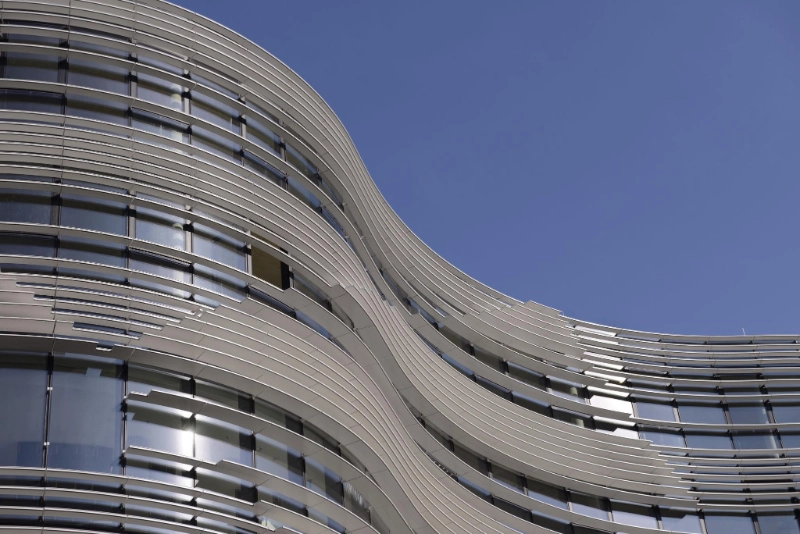
The choice depends on each building zone's wind exposure, fire requirements, appearance and installation conditions.
Akuwoodpanel makes wood composite panels with fire-retardant treatment options. The panels give building exteriors a natural look without the upkeep of solid timber. Fire-retardant treatment improves how the panel reacts to fire, and the certificate covers the panel itself. The project team must still confirm how the treated panel performs inside the full assembly.
Fit favors low-to-mid-rise projects and feature areas on taller structures. Wind pressure ratings suit moderate wind zones, so exposed towers need a different system on the upper floors. Cost sits in the mid band, and prefabrication stays at a medium level. Maintenance is modest: the panels need periodic cleaning and inspection of joints. These cladding materials work well where a warm facade and a treated panel meet the brief.
Metal and composite systems suppliers cover ACP, composite, and metal cassette systems. These systems carry the load on high-rises, because engineered sub-frames and close fixing centers handle the wind pressure and movement at height. Core choice drives fire performance, and mineral cores raise the rating. Prefabricated wall systems arrive as factory-built cassettes and modules. That prefabrication cuts crane time and site labor, a real factor on constrained urban sites where access is tight.
Certification coverage varies widely by supplier, so the project team must check each one. Cost spans a low to mid band, which makes these systems the most flexible option on price. For commercial buildings with tight schedules, the crane-time savings often offset a higher panel price. These systems form the backbone of commercial cladding on tall towers, and they pair well with other cladding materials on lower zones.
A weighted scoring method helps project teams compare commercial cladding options against actual project priorities.
A weighted score turns a long supplier list into a short one. The project team gives each criterion a weight and scores every supplier from 1 to 5. Then they multiply score by weight. Wind pressure rating gets the highest weight on exposed towers. Fire rating comes next, then prefabrication level, certification coverage, and installed cost per square meter.
Criterion | Weight on an exposed tower | Weight on a schedule-driven tower |
|---|---|---|
Wind pressure rating | High | Medium |
Fire rating | High | High |
Prefabrication level | Medium | High |
Certification coverage | Medium | Medium |
Installed cost per square meter | Low to medium | Medium |
The weights change with the project. A tower in a high-wind zone puts more weight on tested wind performance. A tight urban site puts more weight on factory-built modules, because crane time drives the schedule. Teams should score installed cost last, since fixings and access equipment often cost more than the panel price. This method keeps commercial cladding options comparable on the same scale.
A supplier that pairs panels with its own sub-frame and fixings removes a coordination step. The cladding system then arrives as one tested package. The project team reviews one set of drawings instead of three. That integration shortens the compliance path for commercial buildings and cuts site disputes over tolerances.
Willstrong offers one such integrated package. The range covers ACP, titanium-zinc, steel, and copper composite panels, plus aluminum, titanium-zinc, stainless steel, and stone honeycomb panels. The WSFacade family adds modular systems — 3D, perforated, curved, MetalGlass Hybrid, and Solar — with StrongLock, StrongFit, and StrongFix hook-on rails and hidden fixings. Stone-honeycomb-aluminum sub-frame integration arrives prefabricated. The company holds 30+ certifications and lists Charles de Gaulle International Airport among its references. Design & Engineering drawings and 3D renderings support each commercial project from drawing to site.
Integrated systems suit commercial buildings where schedule and coordination carry real weight. Buyers shortlisting the best facade cladding suppliers should score integration as a technical factor, not a sales point. Maintenance access and local codes still need review on any commercial cladding package.
A simple rule can help you make a short list fast. First, figure out what matters most for your specific tower. If wind is the main concern, you need a wind pressure rating that has been tested and a rainscreen that is proven to work. If fire is the main concern, you need a noncombustible or treated assembly with certificates that cover the whole build-up. If schedule is the main concern, factory-built modules and integrated fixings are your best bet. Match the supplier to that main concern, not to a generic ranking. The same rule works for commercial buildings of any height.
Practical answers to common questions about facade cladding performance, compliance and supplier selection.
The team asks for test reports from an approved lab. The report must cover the same panel, sub-frame, and fixing spacing the project will install. A rating from a different build-up does not carry over. Curtain wall wind testing proves the assembly works under the design gust factor.
No. Fire performance belongs to the full assembly: panel, core, insulation, and cavity barriers. A panel certificate alone proves very little. The team must confirm that the tested build-up matches the one specified, including the commercial cladding core and the cavity detail.
Prefabrication pays off when crane time and site access drive the schedule. Factory-built cassettes and modules cut work at height on tight urban plots. On a simple low-rise job with open access, site-fixed panels often cost less overall.
The access method sets the plan. A building with no facade rigging needs a system the crew can reach safely. Joints, sealant, and fixings need regular inspection, and the schedule should follow the manufacturer's guidance. Planning early keeps long-term maintenance predictable.
Yes. Metal and composite systems can cover the upper floors, while wood composite or fiber cement serves a podium or entrance zone. Each zone needs its own wind and fire review. Mixed cladding works when the team checks the transition details between systems.
Match the supplier and system to the building's actual engineering requirements.
The right facade cladding system should match the building's structural requirements, fire safety standards, weather resistance, and installation conditions.
Supplier capabilities, product consistency, technical documentation, and installation support are equally important. Evaluating the complete system helps reduce compatibility issues, avoid costly rework, and maintain reliable performance.
Ultimately, good engineering is often invisible. It is reflected in efficient installation, long-term durability, and a facade that performs as intended throughout its service life.