 Arabic
 Spain
 Germany
 France
 Japan
 Portuguese
 Russian
 Chinese
 Thailand
 Vietnam
 Indonesia
 India
News
The pioneer in facade solutions


A practical guide to interpreting accelerated weathering results, color difference, chalking resistance and gloss retention for aluminum composite panel facades.
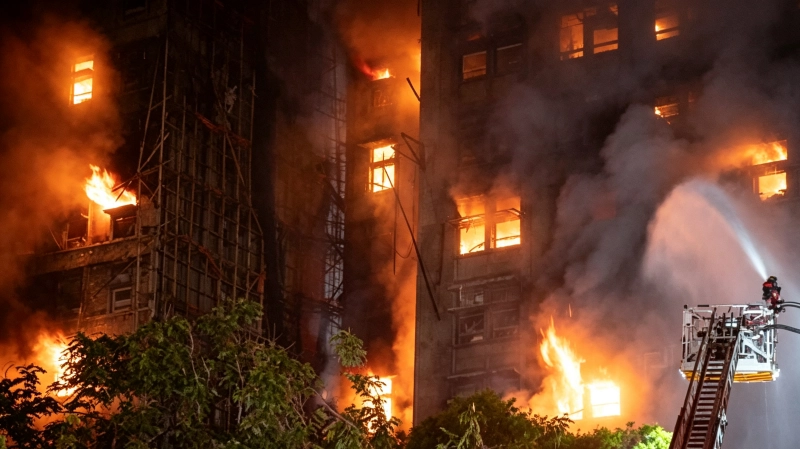
A facade coating can pass inspection when panels leave the factory and still show visible deterioration after years outdoors. Color may shift, the surface may become chalky, and gloss may decline unevenly across different elevations. When these changes appear, project teams often turn to weathering test reports to determine whether the coating has performed as expected.
But a test result is only useful when its meaning is understood.For aluminum composite panels (ACP), ultraviolet weathering tests can help assess coating durability under controlled conditions. However, a single number cannot fully describe how a facade will age in service. The exposure method, evaluation criteria, coating system and actual building environment all influence how test results should be interpreted.
The engineering challenge is not simply to find a coating that passes a test. It is to understand what the test proves, what it does not prove, and how its results should inform material selection and project acceptance.
A meaningful weathering assessment connects laboratory conditions, evaluation methods and project acceptance criteria instead of relying on a single result.
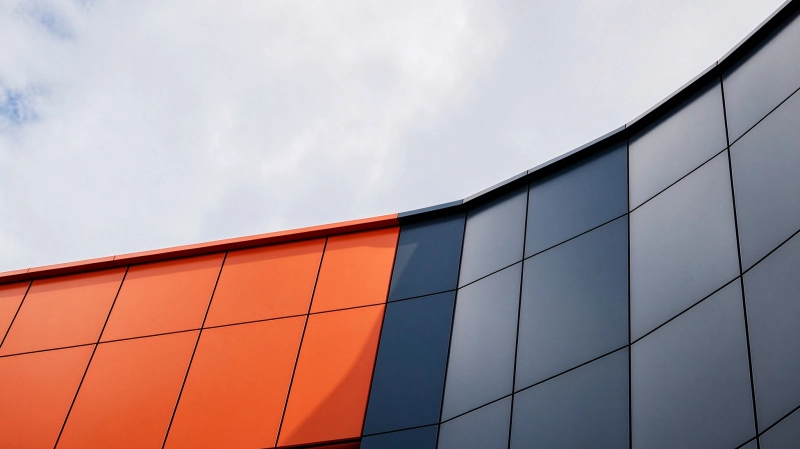
Visible coating changes can take different forms, and each measure describes a distinct aspect of facade appearance.
Coating deterioration does not always occur in the same way or at the same rate.
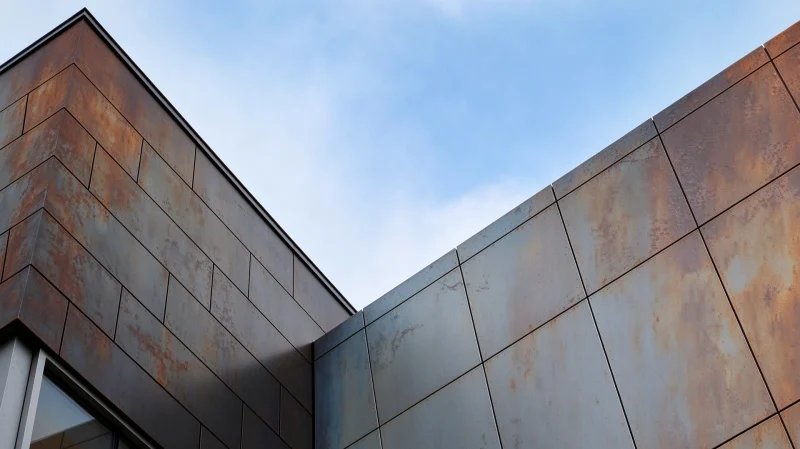
Color change is often the first visible concern. A facade originally designed with a consistent color may develop differences between sun-exposed and shaded areas. Even when individual panels show relatively small changes, the effect can become noticeable across a large elevation.
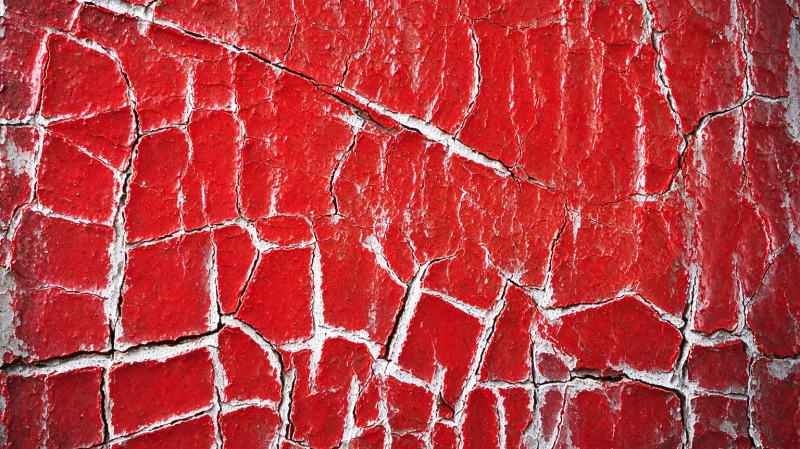
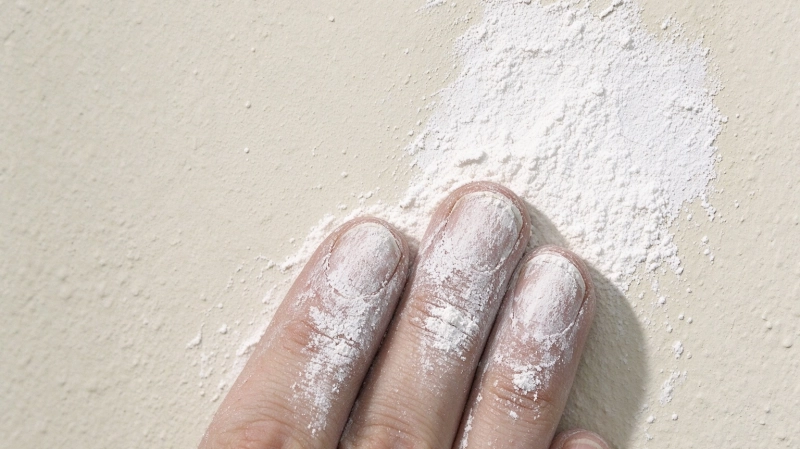
Chalking is another form of surface deterioration. It occurs when degradation of the coating binder leaves a powdery material at the surface. The degree of chalking can affect appearance and may indicate changes in the coating's surface condition.
Gloss retention describes how much of the original surface gloss remains after exposure. A coating can lose gloss without experiencing an equally significant color change, so the two measurements should not be treated as interchangeable.
These changes matter because facade appearance is evaluated at the scale of the building, not just at the scale of an individual test specimen. Panel orientation, shading, local climate, surface contamination and maintenance practices can all influence the observed result.
Consequently, a meaningful weathering assessment must distinguish between three questions: Has the coating changed? How significant is that change? And does the change remain within the project's acceptance criteria?
Understand the exposure method and the limits of laboratory simulation before interpreting the reported values.
QUV accelerated weathering tests use controlled ultraviolet exposure and moisture-related cycles to evaluate how materials respond to simulated environmental stresses.
Depending on the selected method and test program, specimens may undergo repeated periods of UV exposure and condensation or other specified moisture conditions. The cycle is designed to reproduce selected aspects of outdoor weathering in a controlled laboratory environment.
For architectural coatings, standards such as ASTM G154 and ISO 16474-3 provide frameworks for fluorescent UV exposure testing. The applicable standard, lamp type, irradiance, temperature, moisture cycle and total exposure duration must be specified when interpreting results.
The key limitation is that accelerated testing does not reproduce every condition experienced by a real building. A QUV chamber does not automatically account for the full combination of solar radiation, temperature fluctuations, airborne pollutants, wind-driven rain, installation details and maintenance practices found on an actual facade.
Nor does every coating respond to accelerated exposure in exactly the same way as it responds to natural weathering.
For this reason, QUV results are most useful when comparing defined coating systems under consistent test conditions or checking compliance with a specified requirement. They should not be treated as a universal prediction of outdoor service life.
Color difference provides a quantitative way to compare a coating's appearance before and after weathering.
One commonly used approach is the CIELAB color system, in which color is represented by three coordinates: L* for lightness, a* for the green-to-red axis, and b* for the blue-to-yellow axis. The difference between initial and final measurements can be expressed as a color difference value, often written as ΔE.
However, the value should not be interpreted in isolation. The result depends on the color-difference formula, instrument configuration, measurement geometry, specimen preparation and measurement conditions. Different formulas, such as ΔE*ab and more advanced alternatives, may produce different numerical results for the same pair of colors.
For a facade project, the acceptance limit should therefore be defined in advance. It is also important to establish whether the requirement applies to an individual specimen, an average across multiple specimens or variation between production batches.
Color measurements should use consistent conditions and, where practical, multiple measurement locations. This helps distinguish a genuine change in coating color from measurement variability or local surface differences.
Most importantly, a color-difference result describes a measured change. It does not, by itself, identify the chemical cause of that change or guarantee how the color will appear after a particular number of years outdoors.
Chalking is associated with deterioration of the coating surface, particularly changes involving the binder that holds the coating components together.
As the binder degrades, pigment particles or other surface residues may become more readily removable, creating a powdery appearance. The severity depends on the coating formulation, exposure conditions and duration.
Chalking can be assessed using standardized procedures, including methods such as ASTM D4214. Depending on the selected method, evaluation may involve comparing the amount of transferred powder or the appearance of the tested surface against defined rating criteria.
When reading a chalking result, the first step is to confirm the rating scale and method used. Some systems assign higher numbers to better performance, while others use the opposite direction. A rating cannot be interpreted reliably without knowing the specific scale.
It is equally important to check the test conditions and the point at which the specimen was evaluated. Two reports cannot be compared fairly if their exposure programs, evaluation procedures or rating systems differ materially.
A chalking rating is evidence about the condition of the tested coating surface under the specified conditions. It should not automatically be treated as a complete assessment of adhesion, corrosion protection or every other aspect of coating durability.
Gloss affects how a facade reflects light and how uniform its finish appears. Changes in gloss can become particularly noticeable on large, relatively flat elevations.
Gloss is commonly measured using a gloss meter at a specified geometry. ASTM D523 is one established method for measuring specular gloss. The measurement angle should be selected and reported appropriately for the coating and the intended evaluation.
Gloss retention is generally calculated by comparing the gloss after exposure with the initial gloss.
This calculation is meaningful only when the initial and final measurements use comparable methods and conditions. It also illustrates why the original gloss level matters: the same percentage retention can correspond to different final appearances when starting values differ.
Gloss retention and color difference should be reviewed together, but they answer different questions. One describes the change in reflected appearance; the other describes the measured change in color.
A coating specification that includes both measures gives project teams a more complete basis for evaluating visual durability.
Accelerated exposure is useful for comparison, but it does not provide a universal conversion to outdoor service life.
One of the most common mistakes in weathering evaluation is assuming that a fixed number of QUV test hours corresponds directly to a fixed number of years outdoors.
Outdoor weathering depends on geographic location, solar exposure, seasonal conditions, surface temperature, moisture, pollutants and the orientation of the facade. Laboratory exposure cycles also differ from the natural sequence of environmental conditions experienced by a building.
A conversion between accelerated exposure and outdoor service life requires relevant correlation data for the material system and exposure conditions concerned. Without that evidence, claims such as a specific number of laboratory hours equaling a specified number of outdoor years are not technically justified.
Another important distinction is between relative comparison and absolute prediction.
If two coating systems are tested using the same procedure, the results may help identify differences in their response to that particular exposure.
However, even a clear difference in the laboratory does not necessarily establish the exact difference in their service lives on a building.
The value of a weathering test lies in the quality of the comparison and the relevance of the acceptance criteria, not simply in the number of hours recorded.
This is why test reports should be read as part of a broader engineering assessment rather than as standalone guarantees.
A structured review helps technical and procurement teams confirm whether a report supports the actual project requirement.
For architects, facade consultants, contractors and procurement teams, a practical review should cover several areas.
Verify the specimen. Confirm that the tested coating system, substrate, surface preparation and relevant production details correspond to the product proposed for the project. Results from a different coating formulation should not automatically be applied to the proposed material.
Check the test conditions. Review the standard, UV lamp type, exposure cycle, irradiance, temperature, moisture conditions and duration. A report that states only the total number of hours provides limited information for technical comparison.
Examine the evaluation method. For color difference, identify the formula and measurement conditions. For chalking, verify the method and rating scale. For gloss retention, confirm the measurement geometry and the basis of the calculation.
Review the acceptance criteria. Determine whether the measured values meet the requirements defined in the project specification. Passing a test is meaningful only in relation to the actual requirement being assessed.
Consider natural exposure evidence. Where available, relevant outdoor exposure data can help establish how laboratory results relate to actual service conditions. The location, duration, orientation and condition of the exposed specimens should be documented.
Establish how the results will be used. A test may support supplier comparison, product qualification or production acceptance, but these are different purposes. The required evidence and decision criteria should reflect the intended use.
Testing becomes more valuable when its findings are connected to project exposure, visual priorities and acceptance procedures.
Weathering tests are most useful when they inform a material decision rather than simply adding another document to a procurement file.
For a large commercial building, the design team may prioritize consistent color across multiple elevations. For a public facility, long-term appearance and maintenance planning may be particularly important. A project with extensive sun exposure may require closer attention to the relevant weathering evidence and the suitability of the selected coating formulation.
These differences should influence the specification from the beginning. A supplier evaluation should therefore consider whether the proposed coating system is clearly identified, whether its technical documentation matches the specified requirements, and whether the test reports provide sufficient detail to support a meaningful decision.
Project teams should also agree on sample approval procedures, batch consistency requirements and the method used to evaluate any future appearance concerns. These measures make acceptance more objective and help avoid disagreements based on subjective visual judgment alone.
A useful material assessment begins with the application, the required performance and the evidence needed to verify compliance.
WILLSTRONG®, established in 1995, works with aluminum composite panels, fire-resistant composite materials and aluminum honeycomb systems.
For projects considering aluminum composite panels, the relevant engineering discussion should begin with the intended application, the required coating performance and the evidence available to verify compliance.
Rather than relying on a general claim of weather resistance, project teams should request technical documentation that identifies the proposed coating system and the applicable test methods. Where color difference, chalking resistance or gloss retention is important, the acceptance criteria should be defined before the material is approved.
WILLSTRONG®'s project portfolio includes Charles de Gaulle International Airport. This provides a reference point for understanding the company's involvement in architectural facade applications, while the precise coating specifications and performance requirements for any new project should still be assessed independently.
The objective is not to choose a material based on a single test result. It is to establish whether the documented performance, manufacturing controls and project requirements align.
Use test methods, conditions and acceptance criteria together to make a defensible material decision.
QUV accelerated weathering tests, color-difference measurements, chalking ratings and gloss-retention values each provide useful information about coating performance. None should be interpreted without its test method, conditions and acceptance criteria.
For aluminum composite panel facades, a sound evaluation combines consistent laboratory testing, clear technical specifications and a realistic understanding of the building's exposure environment.
The most useful test report is not necessarily the one with the largest number of exposure hours. It is the one that helps the project team make a defensible material decision.