 Arabic
 Spain
 Germany
 France
 Japan
 Portuguese
 Russian
 Chinese
 Thailand
 Vietnam
 Indonesia
 India
News
The pioneer in facade solutions


A faded façade is rarely a cleaning problem. It is almost always a coating problem.
A faded façade is rarely a cleaning problem. It is almost always a coating problem.
Alucobond, Reynobond, ALPOLIC, and Mitsubishi are the top choices for long-term color stability. Premium fluoropolymer (PVDF/FEVE) coatings resist UV damage and chalking. FEVE resins do even more for coastal and high-UV sites. Both keep color much longer than standard polyester. Tight factory quality control keeps the finish even. Strong finish warranties back the claim in writing.
These best acm panel brands are not interchangeable, though. Your climate, project type, and budget decide which ACM fits. This article shows you how to match each brand to your specific need.
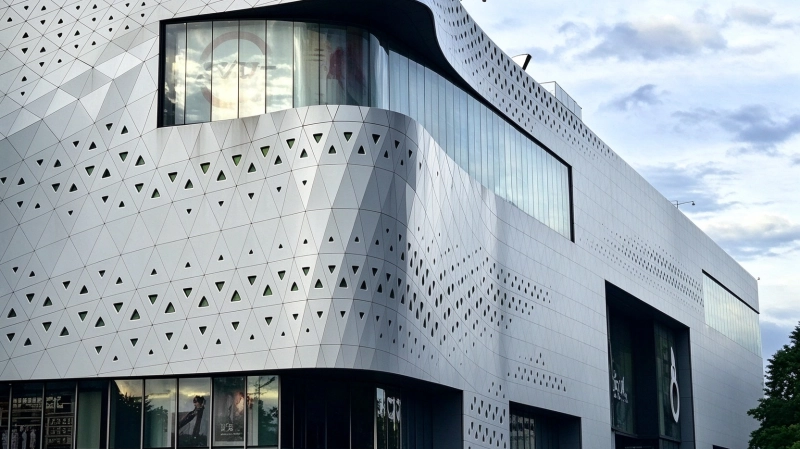
The essential points to check when choosing ACM panels for lasting color and reliable exterior performance.
Pick ACM panels that have PVDF or FEVE coatings so the color lasts a long time.
Look at test results from independent labs and read the warranty terms carefully before you buy.
Pick a panel that fits your weather. If you live near the coast, you need extra protection.
Premium brands cost more at first, but they save you money in the long run.
Check the paperwork to make sure the product fits your project's needs.
Coating technology, core construction and factory application all influence how a panel performs over time.
Two panels can look the same on delivery day, yet they can age very differently within ten years. Three things cause this: the coating system, the core, and where the finish was applied. Knowing these three things explains why some aluminium composite panels last and others fade early.
The kind of coating on the skin decides most of the result. PVDF ranks at the top for long-lasting color. FEVE resins were made for color-critical conditions, such as coastal sites and high UV zones. Polyester and low-retention coatings only do fairly well by comparison. Hylar and Kynar weather about the same, so either resin grade does the same job.
Accelerated testing shows these systems clearly apart. Both liquid PVDF and powder FEVE meet AAMA 2605 requirements, and PVDF usually goes beyond them.
| Coating | Accelerated weathering performance (AAMA 2605) |
|---|---|
| PVDF (liquid) | Easily meets and usually exceeds AAMA 2605 requirements |
| FEVE (powder) | Weathering performance meeting AAMA 2605 requirements shown in accelerated testing |
Under EMMAQUA accelerated weathering, FEVE gloss retention stayed close to PVDF, and both did better than acrylic urethane. Real-world data agrees.
After 10 years of Florida exposure, the FEVE-based coating and the PVDF coating did about the same, and both kept color and gloss much better than a high-performance polyester coating.
A properly specified PVDF coating (at least 70% resin, AAMA 2605 certified) usually keeps acceptable color and gloss for 15–20 years. That number sets the benchmark for the typical lifespan of aluminium composite panels: high-quality ACM keeps its color for 15–20 years, with a possible lifespan of up to 30 years with proper maintenance.
The core affects fire performance and flatness more than color, but it still shapes how long ACP panels last. Mineral-filled cores resist heat and moisture movement better than PE cores. A stable core keeps the skin flat, and a flat skin resists the dirt buildup that dulls the surface.
How the finish is applied matters just as much. Factory-applied finishes cure under controlled heat and give consistent film thickness. Field-applied coatings depend on site conditions, and uneven thickness weakens UV resistance and weather resistance. Factory bonding also keeps the protective coating on the metal clean before installation.
Finally, installation quality and environmental exposure decide how long any finish holds. Correct detailing limits water intrusion at joints. Harsh sun, salt, and pollution speed up wear. Good coatings prevent fading and corrosion, yet no coating makes up for poor detailing. Together, these factors control color stability and surface finish over the life of the panel.
Warranty language and independent test reports help turn performance claims into measurable requirements.
A warranty is a technical document, not a marketing badge. Read it the way you read a specification, and it tells you exactly how much confidence the manufacturer has in its finish.
Start with the coverage clause. A good finish warranty names three failure modes: color fade past a set limit, chalking, and loss of adhesion. Each one should have a measurable limit, such as a maximum color shift measured in Delta E units. Vague wording like "excessive fading" gives you nothing you can enforce.
Then read the exclusions. Most warranties cancel coverage for improper storage, harsh chemical cleaning, or damage during fabrication. Check who does the inspection and who pays for replacement panels versus labor. Finally, treat warranty length as a claim, not proof. A ten-year term means little without test data behind it. The document should name the coating system and the standard it was tested against.
Independent testing separates verified performance from sales talk. Look for fire certifications first, because they protect the building itself: EN 13501-1 for European projects, NFPA 285 for exterior wall assemblies, and ASTM E84 for surface burning characteristics. These standards tell you how the whole ACM assembly behaves in a fire, not just the skin.
For color, ask for accelerated weathering results tied to a named standard, such as AAMA 2605. Accelerated tests pack years of sun, heat, and moisture into months. They cannot predict every real site, yet they rank coatings reliably. A panel that holds color under intense UV exposure in the lab will usually hold it on your façade. Combine that data with the 15–20 year benchmark for quality aluminium composite panels, and you can judge how long aluminium composite panels last in your climate. Testing plus warranty gives you the full picture of an ACM panel's lifespan.
Compare coating systems, test evidence, warranties and application suitability instead of relying on brand names alone.
A brand name is just a starting point. A test report is the real proof. Compare every supplier using the same five points: coating system, verified testing, warranty terms, application fit, and cost. This method separates real engineering from marketing talk.
| Brand | Coating system | Verified testing | Warranty terms | Application fit |
|---|---|---|---|---|
| Alucobond | PVDF and FEVE finishes | Full fire and weathering documentation | Long-term finish warranties | High-rise façades, iconic architecture |
| Reynobond | PVDF finishes | Full fire and weathering documentation | Long-term finish warranties | Commercial façades, transport projects |
| ALPOLIC | PVDF and FEVE finishes | Full fire and weathering documentation | Long-term finish warranties | Coastal and high-UV sites |
| Mitsubishi | PVDF finishes | Full fire and weathering documentation | Long-term finish warranties | Large-scale cladding |
| Larson by Alucoil | PVDF finishes | Full fire and weathering documentation | Long-term finish warranties | Ventilated façades |
| DIBOND | PVDF and specialty finishes | Documented per product line | Varies by product line | Exhibits, kiosks, signage |
| WILLSTRONG | PVDF coatings | EN 13501-1, NFPA 285, BS476, ASTM E84, GB 8624 | Finish warranties per core type | Façades, interiors, signage |
Alucobond, Reynobond, ALPOLIC, and Mitsubishi make up the premium group. Each one pairs PVDF or FEVE finishes with documented fire testing and long finish warranties. ALPOLIC leans toward coastal work, where FEVE resins hold color under salt and strong sun. Alucobond and Reynobond have decades of façade records on high-rise projects. Mitsubishi suits large cladding programs that need steady factory output.
These brands earn their spot through process control, not ads. Their coatings cure under controlled heat, and their test files cover full wall assemblies. You pay more upfront. You get color stability you can count on across a large façade.
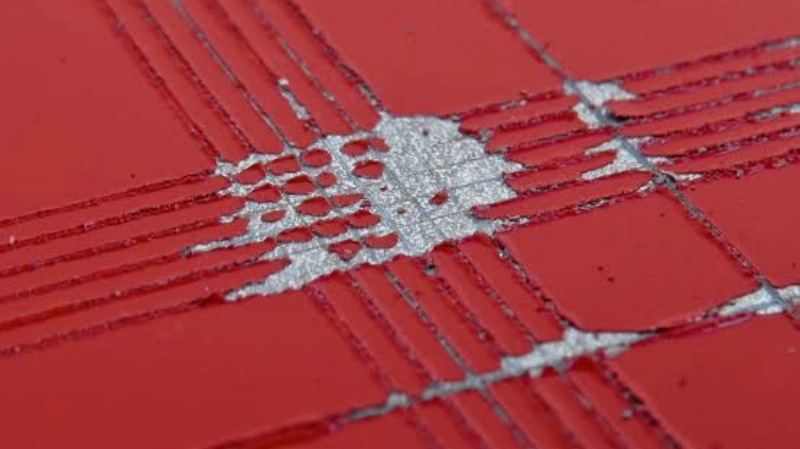
DIBOND fits a different job. Exhibits, kiosks, and signage care more about workability and flatness than decades of UV resistance. DIBOND delivers both, and its specialty finishes work well for display projects.
WILLSTRONG sits in a balanced spot. The company applies PVDF coatings for color retention and offers three core options: A2 mineral-filled, B1 fire-retardant, and standard PE. The A2 core meets EN 13501-1 Class A2-s1, d0 for high-rise façades. The B1 core meets EN 13501-1 Class B-s1, d0 for ventilated façades and commercial architecture. Certifications include EN 13501-1, NFPA 285, BS476 Part 6 and 7, ASTM E84, and GB 8624. A colorimetry laboratory matches RAL, PANTONE, and NCS colors closely, which matters when a project runs across multiple production batches.
Larson by Alucoil serves ventilated façade programs with PVDF-coated ACPs and documented fire performance. Each of these options fits a clear need. None takes the place of another.
The lesson for specifiers: judge the coating system and the test file together. A premium brand with weak documentation is a risk. A mid-tier brand with full certification is a smart choice. That logic works for every aluminium composite panel on your shortlist.
Exposure conditions and building use help determine the right coating and core specification.
Salt and sun hit an ACP façade from two sides at once. Salt spray eats away at exposed metal edges, and strong sunlight breaks down the color layer. You fix both problems when you write the specs, not after the panels go up.
For coastal sites, ask for high-quality resin blends that block salt, water, and sunlight. Marine-grade powder coatings add a thick, even layer that resists scratches, chips, and rust. Ask for a minimum 3-coat PVDF system with a total dry film thickness of at least 35 microns. Require a marine primer and a factory clear topcoat. Request AAMA 2605 paperwork showing 4,000-hour salt spray and humidity testing. Seal every exposed edge at the factory.
Coating choice drives how long aluminium composite panels last in these zones. A fluoropolymer finish keeps its look for 20–30 years. Standard polyester chalks and fades within a few years, so it fails early on a permanent exterior wall. FEVE reaches gloss levels up to 90% and works well for bright custom colors. In mild climates, a standard fluoropolymer system does the job without the marine extras.
Coastal and high-UV façades require careful review of the coating system, dry film thickness, exposed-edge protection and relevant weathering documentation.
A high-rise ACM façade has needs a house never faces. Fire-rated cores come first: A2 or B1 mineral-filled cores protect the assembly, and color stability protects the look. You need both on a tall, visible wall. A faded panel on floor twenty is costly to replace.
Signage and shopfronts weigh different things. Workability, flatness, and value matter more than decades of UV exposure. A standard PE-core ACM cuts cleanly and stays flat for display work. Match the core and the coatings to the wall you are covering, and the ACM you order will last as long as it should.
Initial material cost is only one part of the decision; access, maintenance and replacement also affect long-term value.
Budget decisions on ACM rarely depend on the panel price alone. The real question is what the finish costs you over time. A cheap panel on a visible wall can cost more than a premium one, once you count access equipment, labor, and disruption.
Premium fluoropolymer finishes cost more upfront. They pay that back on long-life, high-visibility façades. A quality coating holds color for 15–20 years, so you skip a mid-life recoating cycle. You also avoid the scaffolding or swing-stage costs that come with it. On a tall building, access often costs more than the panels themselves.
Maintenance adds to the gap. A chalked surface traps dirt and needs more frequent cleaning. A stable finish sheds dirt and keeps its look with routine washing. Factor in the lifespan of the whole assembly, and the premium panel often wins on total cost. This logic holds strongest where replacement is hard and the wall stays in public view.
Mid-range and standard PE-core panels fit projects with shorter horizons or lower exposure. Interior fit-outs, signage, shopfronts, and temporary structures rarely justify a 20-year finish. A standard ACM gives you flatness and workability at a lower cost, and that is the right trade for these jobs.
Installation quality still decides the outcome, whatever tier you buy. Poor detailing shortens the durability of any panel, premium or standard. Before you specify, check current warranty terms and test data from each manufacturer. Warranty language changes, and test files get updated. Confirm the documents match the product you will receive.
Match the coating tier to climate severity, wall visibility, and how long the building must perform. Then check the paperwork.
That single rule keeps your budget aligned with real performance, not with a brand label.
Alucobond, Reynobond, ALPOLIC, and Mitsubishi are the top group for keeping color stable over time. They all share three things: fluoropolymer finishes, testing from outside labs, and finish warranties with limits you can measure. These things matter more than any logo.
Match the brand tier to three things: how harsh the climate is, how visible the wall is, and your budget. A coastal high-rise needs FEVE or premium PVDF and an A2 core. A shopfront may do fine with standard PE-core acm. Before you specify, check the current warranty terms and test data from each supplier. The best acm panel brands earn that status through paperwork you can check, not claims you have to trust.
Answers to common questions about ACM coating durability, warranties, core selection and color matching.
A PVDF coating that is properly specified (at least 70% resin, AAMA 2605 certified) usually keeps acceptable color and gloss for 15–20 years. Maintenance and climate can shift that range. Coastal salt and intense UV make it shorter; mild exposure makes it longer.
No. Warranty length is a claim, not proof. Check what the document covers: fade past a set Delta E limit, chalking, and adhesion loss. Then confirm the coating system and the standard behind it. Test data matters more than the term length.
Specify a mineral-filled core rated to EN 13501-1 Class A2-s1, d0. A B1 core (Class B-s1, d0) works for ventilated façades and commercial walls. A standard PE core fits signage and interiors, where fire rating demands are lower.
Ask for the colorimetry process, not just a color card. A lab that matches RAL, PANTONE, and NCS values keeps multi-batch projects consistent. Request samples from separate production runs and compare them under the same light.
Documentation. Top-tier suppliers pair fluoropolymer finishes with full assembly fire testing (NFPA 285, ASTM E84) and measurable finish warranties. Mid-tier acm can match them on flatness and workability. Match the tier to climate severity and wall visibility, then verify the paperwork.
Color stability is shaped by coating selection, factory application, environmental exposure and verifiable product documentation. Reviewing these factors together helps specifiers select panels that suit the building, the climate and the expected service life.