 Arabic
 Spain
 Germany
 France
 Japan
 Portuguese
 Russian
 Chinese
 Thailand
 Vietnam
 Indonesia
 India
News
The pioneer in facade solutions


WILLSTRONG, Eurobond, Alubond, Arconic, Alumax, Alcadex, Alusign, AluminoBond, Pivot, Seven, and CCJX all sell coated panels. But only some of these acp panel manufacturers show custom color programs along with their coating systems. This comparison looks at color range, PVDF coating system, performance, application fit, compliance, and cost for each supplier.
WILLSTRONG, Eurobond, Alubond, Arconic, Alumax, Alcadex, Alusign, AluminoBond, Pivot, Seven, and CCJX all sell coated panels. But only some of these acp panel manufacturers show custom color programs along with their coating systems. This comparison looks at color range, PVDF coating system, performance, application fit, compliance, and cost for each supplier.
The pvdf aluminum composite panel manufacturers group splits into two sides. Alcadex and Pivot share custom finish options. The other suppliers confirm PVDF coatings but do not explain their color choices. Buyers looking at aluminum composite panel manufacturers should ask for written color-matching proof, not brochure claims. The same rule applies to pvdf aluminium composite panel manufacturers and to every aluminium composite panel manufacturers shortlist. There, fire test reports matter as much as shade cards.
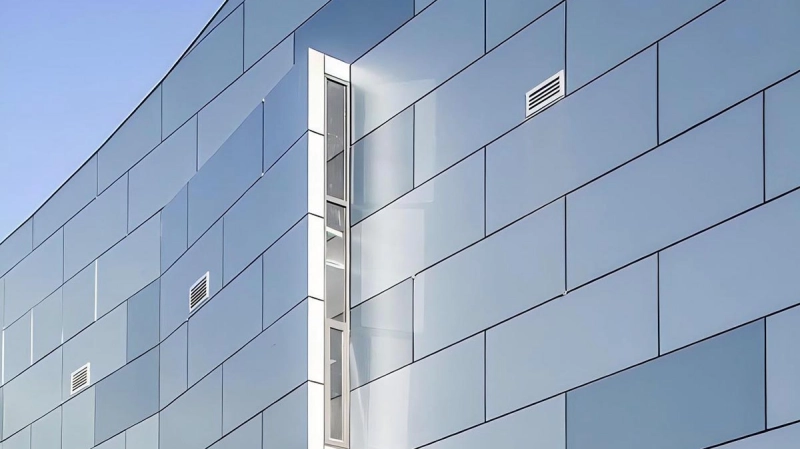
Ask for a written color match to RAL, PANTONE, or NCS before you order custom panels.
Check official fire test reports like EN 13501-1 to confirm safety for high-rise projects.
Choose nano PVDF coatings for polluted areas because they stay cleaner and last longer.
Match the panel core to your project: PE for signage, FR for commercial, A2 for high-rise.
Plan early for custom colors because they need more lead time and a higher minimum order.
Color matching, finish options, coating performance, core selection, and fire compliance.
A facade rarely fails because of its structure. It fails because of its shade. If one panel lot drifts from the approved sample, you have to pay for a costly re-clad. WILLSTRONG treats acp color matching as a specification control, not a catalog pick. The company matches any RAL, PANTONE, or NCS reference exactly, so the approved sample and the production run share one target. Color tolerance standards stay written into the order.
The range covers solid, metallic, woodgrain, natural stone, chameleon, nano coating, and anodized surfaces. That wide range of colors and finishes lets a designer specify a colored aluminum composite panel for a retail frontage and the same system for a tower soffit. Metallic and special effect finishes come from a color coated aluminum coil produced to the same reference. A wide range of colors and finishes also supports phased projects, where later phases must match earlier ones.
The coating system decides how long the color holds. These pvdf aluminum composite panels use pvdf coatings that resist chalking, fading, and chemical attack from salty air. PVDF coating features include strong UV resistance, and that resistance rises with fluorocarbon content. Panels meeting AAMA 2605 pass salt spray, color retention, chalk resistance, and adhesion tests. Stain resistance and easier cleaning follow from the finish selected.
Core choice is a separate engineering decision. Buyers pick mineral core in A2 non-combustible or B1 fire-retardant grades, or a standard PE core. The pvdf to pe decision follows the fire strategy, not the budget alone. Thickness runs from 2.5mm to 6mm, with widths up to 1500mm and custom dimensions on request. Cost stays project-dependent, driven by core, finish, and volume.
Fire rating is a key specification: verify certifications against international high-rise façade safety requirements by checking the fire test report, core composition, and tested panel thickness rather than general fire-resistant claims; standards such as EN 13501-1 provide useful comparative evidence.
WILLSTRONG panels hold EN 13501-1 Class A2-s1, d0 and pass NFPA 285. These pvdf-coated panels also meet GB 8624-2012 and BS476 Part 6 and Part 7. Buyers comparing aluminum composite panel manufacturers should read the report, not the brochure.
Kynar 500 coating chemistry, warranty terms, certification, and exterior project fit.
The coating's chemistry decides how a facade ages over time. Eurobond builds its exterior range on a PVDF coating made from Kynar 500 resin. This fluoropolymer binder resists corrosion and fading when exposed to strong UV light for long periods. That chemistry helps keep color steady on south-facing walls and coastal sites, where weaker finishes chalk and change tone.
The warranty backs up the chemistry. Eurobond offers a 20-year warranty against rust and fading on its aluminum composite panels.
Eurobond's aluminum composite panel products come with a 20-year warranty. Their panels use PVDF coating from Kynar 500, which stops rust and fading.
Buyers should read the warranty terms, not just the length. Check the exclusion list, the cleaning schedule, and the substrate grades covered. Eurobond also offers OEM service and holds ASTM, CE, and ISO9001 certification.
Attribute | Detail |
|---|---|
Surface treatment | PVDF coating from Kynar 500 |
Warranty | 20 years |
OEM service | Available |
Certification | ASTM, CE, ISO9001 |
Eurobond works well for exterior facades and architectural cladding that need color to hold up over time. Towers, transport hubs, and retail exteriors fit this profile. The 20-year fade warranty gives specifiers a strong position when a client asks about color performance over the building's life.
These pvdf aluminium composite panels also fit projects that need OEM customization. A distributor can order private-label runs with the Kynar 500 finish kept intact. Cost stays neutral here: the extra charge over a standard PVDF system reflects the resin grade and warranty coverage, and buyers should weigh that against the risk of re-cladding a high-visibility elevation.
For specifiers shortlisting pvdf aluminum composite panel manufacturers, Eurobond earns a place on exterior work with strict color-hold clauses. Compare its warranty document against rival aluminum composite panel manufacturers before signing. The finish is only as good as the paperwork behind it.
Compare color range, coating chemistry, fire documentation, and project suitability before selecting a supplier.
Color range quickly shows which suppliers stand out. Some acp panel manufacturers list 120+ color options plus custom orders. Others confirm a PVDF finish but offer no shade card. Custom acp color matching tells serious suppliers apart from catalog sellers. Before approving any colored aluminum composite panel, a buyer should ask for a written match to RAL, PANTONE, or NCS.
Coating chemistry falls into two systems. Traditional PVDF holds color well. Nano PVDF adds a self-clean layer on top of the PVDF base, and that layer breaks down airborne pollutants. The nano surface beads water at a contact angle above 120 degrees, so rain washes particles away. Test data shows the gap: after 10,000 hours of QUV exposure, traditional PVDF shifts 3.5–4.5 in color change, while nano PVDF stays under 2.5. Gloss retention runs 85–90% against 92–96%. Service life follows the same pattern, at 20–25 years for traditional PVDF and 30–40+ years for nano. Stain removal rates are good versus excellent.
Lifespan differences across aluminum composite panel manufacturers come from resin grade, coating thickness, and core choice. Fire performance comes from the core, not the coating. PE cores suit signage and interiors, FR cores suit most commercial buildings, and A2 cores serve high-rise work. Check compliance in this order:
A neutral comparison table works well here, with columns for color range, coating system, fire compliance, and cost positioning. Fill it from test reports, not brochures.
Project size drives the shortlist. Small signage jobs fit PE-core panels from any supplier with a stocked palette. Mid-size commercial facades need FR cores and a documented PVDF system. High-rise work demands A2 cores, full EN 13501-1 paperwork, and a supplier who can match colors across phased deliveries.
Color requirements narrow the field further. A project that needs a wide range of colors and finishes, from woodgrain to metallic, should go to a supplier with proven custom capability. A standard palette project can use any verified pvdf aluminum composite panel manufacturers. For polluted urban sites, nano pvdf aluminium composite panels cut cleaning cycles by up to 60%.
Fire rating needs decide the core. Fire-rated panels cost more than standard PE-core panels, and that extra cost buys approval on stricter projects. Exterior walls generally need skins of at least 0.2mm and total thickness of at least 4mm. Fire-rated curtain wall panels call for skins of 0.5mm or more and thickness above 4mm.
Budget sets the final filter. PE-core panels have a lower first cost and suit permitted low-risk zones. FR-core panels cost more but clear exterior approvals. A2-core panels cost more again and require verified documents. WILLSTRONG sits in the A2 segment, pairing exact RAL, PANTONE, and NCS matching with EN 13501-1 Class A2-s1, d0 and NFPA 285 reports. That combination suits projects where color control and fire documentation matter equally. Every aluminium composite panel manufacturers shortlist should end with the same test: read the report, match the sample, then sign.
Use project size, color requirements, fire rating, and lead time to narrow the shortlist.
A short set of steps can narrow your choices quickly. Ask four questions in order:
Panel thickness follows the same logic. Exterior cladding favors 4mm or thicker panels for stiffness and impact resistance, while thinner panels serve interiors. Surface coating matters too: pvdf coatings hold color against UV, rain, and pollutants, and mineral-filled cores resist fire better than standard polyethylene cores. Buyers shortlisting acp panel manufacturers should also weigh experience, delivery record, and after-sales support.
Custom work changes the business terms. Suppliers usually require 3 to 5 tons per custom color to make coating-line setup worth it, and the full cycle from color matching to sample approval often takes 3 to 6 weeks.
Lead time depends on color, finish, quantity, and production schedule. Regular colors usually take about 15–20 days. Custom colors or special specifications may need more time.
Order Type
MOQ
Lead Time
Cost Premium
Standard Colors
200 sqm
1–2 weeks
Base price
Custom Colors
500 sqm
4–6 weeks
+15–30%
Custom + Complex Pigments
500 sqm
5–7 weeks
+25–40%
Where each maker fits: WILLSTRONG suits projects needing exact RAL, PANTONE, or NCS matching plus A2 documentation. Eurobond fits exterior facades with long color-hold clauses. Other aluminum composite panel manufacturers serve standard-palette work well. Every aluminium composite panel manufacturers shortlist should confirm customization options in writing. For custom solutions for unique cladding requirements, ask for a physical sample and a spectrophotometric match before you commit. These aluminum composite panels reward buyers who plan lead times early.
WILLSTRONG matches exact RAL, PANTONE, and NCS colors and provides EN 13501-1 Class A2-s1, d0 paperwork. Eurobond uses Kynar 500 PVDF on exterior facades and backs color hold with a 20-year warranty. Other verified acp panel manufacturers serve standard-palette work with confirmed PVDF finishes.
Project size, color needs, compliance requirements, and budget set the shortlist. Small jobs fit stocked palettes. High-rise work needs A2 reports and proven color control across phases. Buyers shortlisting pvdf aluminum composite panel manufacturers should read test reports first. The same rule guides any aluminum composite panel manufacturers review. Custom runs raise minimum order quantities and lead times, so plan early. Among aluminium composite panels, the right choice depends on the specific application.
Answers to common questions about color matching, PVDF coatings, fire documents, and custom orders.
Ask for a real sample and a written match to RAL, PANTONE, or NCS. The supplier should put the color tolerance in the order. A spectrophotometric reading proves the match. Shade cards in a brochure prove nothing. Only a signed sample and a written tolerance keep a phased facade from drifting between lots.
Traditional PVDF holds color well. Nano PVDF adds a self-clean layer on top of the PVDF base. That layer breaks down pollutants in the air, and the surface makes water bead at a contact angle above 120 degrees. QUV data shows nano systems keep gloss and color better over time. Polluted city sites gain the most from the nano option.
Collect the EN 13501-1 classification report, the Single Burning Item test results, and the Declaration of Performance for CE-marked panels. Make sure each document is current and traceable to the exact product and thickness. Check smoke and droplet classes: s1 means low smoke, d0 means no flaming droplets. A2 cores suit high-rise work.
Custom colors usually need 3 to 5 tons per shade to make coating-line setup worth it. The full cycle from matching to sample approval often takes 3 to 6 weeks. Standard colors ship in about 15–20 days. Buyers should plan these timelines early. Custom runs also cost more than stocked shades.
No. Warranty terms vary a lot. Eurobond offers a 20-year warranty against rust and fading on its Kynar 500 range. Other suppliers may offer shorter terms or leave out certain substrates. Read the exclusion list, the cleaning schedule, and the covered grades. Compare aluminium composite panels on paperwork, not on warranty length alone.